- Friday, 8 May 2026

Guard Against Mobile Phone Addiction

Mobile phones have become the most important aspect of our lives. They have immensely transformed communication, providing us with instant access to information, entertainment, and social connections. However, the convenience and power of these devices also come with a responsibility to use them in a manner that promotes well-being and fosters healthy relationships. They have revolutionised the way used to communicate, work, and entertain ourselves in the past. However, the increasing use of mobile phones has raised concerns about their potential health effects. While there is no conclusive evidence to suggest that mobile phones are harmful to our health, some studies have raised concerns about the potential risks associated with their use.
While mobile phones facilitate virtual connections, it is crucial to prioritise real-life interactions. Engaging in face-to-face conversations, spending quality time with loved ones, and actively participating in social events are essential for maintaining healthy relationships. By consciously setting aside dedicated phone-free time, we can strengthen our connections and ensure that our mobile phones do not become a barrier to meaningful interactions.
Phone etiquette
Mindfulness is key to responsible mobile phone use. It involves being aware of our phone habits and consciously choosing when and how to use our devices. By setting limits on screen time, avoiding excessive scrolling, and resisting the urge to constantly check notifications, we can regain control over our mobile phone usage. Practicing mindfulness allows us to be present in the moment and prevents our phones from becoming a constant distraction.
Mobile phones offer a vast array of apps and services that can enhance our lives. However, it is essential to prioritise our mental and emotional well-being while using these devices. We should be mindful of the content we consume, avoiding excessive exposure to negative news or social media comparisons that can lead to feelings of inadequacy. Additionally, utilising features such as screen time tracking, app limits, and do-not-disturb modes can help us maintain a healthy balance between our digital and offline lives.
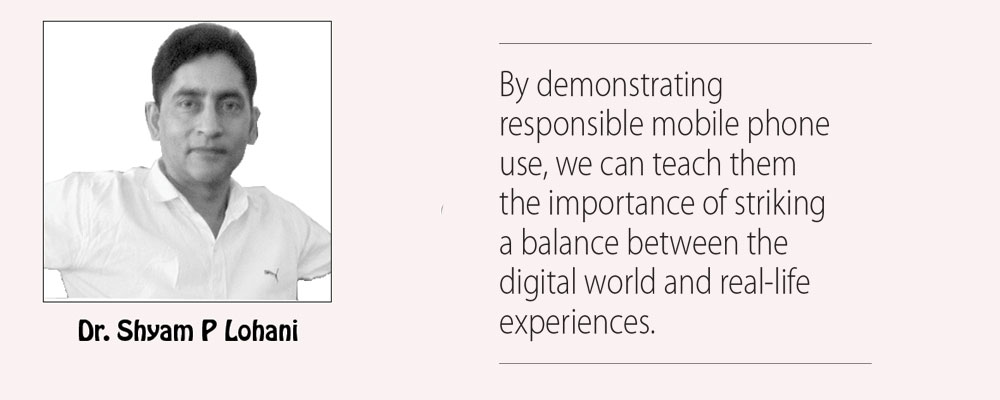
Responsible mobile phone use also entails practicing respectful phone etiquette. Being aware of our surroundings and refraining from using our phones in inappropriate situations, such as during meetings, meals, or while driving, is crucial. By respecting the people around us and valuing their time and attention, we can foster a culture of responsible phone use and promote a more considerate society. As adults, parents, or mentors, we have a responsibility to set a positive example for younger generations. By demonstrating responsible mobile phone use, we can teach them the importance of striking a balance between the digital world and real-life experiences. Encouraging open conversations about healthy phone habits and providing guidance on managing screen time can empower young individuals to develop responsible mobile phone use from an early age.
However, with the increasing use of mobile phones, there are also dangers associated with them that we need to be aware of. One of the most significant dangers of mobile phones is distracted driving. Many people use their phones while driving, which can lead to accidents and even fatalities. It is essential to remember that when we are driving, our focus should be on the road, not on our phones. Mobile phones emit radiofrequency radiation, which is a type of non-ionizing radiation. While this type of radiation is not as harmful as ionizing radiation, which is emitted by X-rays and gamma rays, it can still cause damage to our cells. Some studies have suggested that long-term exposure to radiofrequency radiation may increase the risk of brain tumors and other types of cancer. It is essential to use a hands-free device and limit phone usage to reduce exposure to radiation.
Another danger of mobile phones is cyberbullying. With the rise of social media, it has become easier for people to bully others online. Cyberbullying may lead to depression, anxiety, and even suicide. Parents should monitor their children's phone usage and teach them how to use social media responsibly. Mobile phones can also be addictive. Many people spend hours scrolling through social media or playing games on their phones, which can lead to a lack of productivity and social isolation. It is important to set limits on phone usage and prioritise real-life interactions.
Reponsible use
Mobile phones can also have a negative impact on our physical health. The constant use of mobile phones can lead to neck and back pain, as well as eye strain and headaches. This is because people tend to hunch over their phones, which can put a strain on their neck and back muscles. Additionally, the blue light emitted by mobile phones can disrupt our sleep patterns, which can lead to fatigue and other health issues.
It is important to use mobile phones in moderation and take steps to minimise the potential health risks. This includes using hands-free devices, taking regular breaks from mobile phone use, and avoiding excessive use of mobile phones before bedtime. Mobile phones have undeniably changed the way we live, work, entertain, and connect with others. However, responsible use is crucial to ensure that these devices do not dominate our lives or hinder our well-being. Let us embrace the power of mobile phones while remaining mindful of our responsibilities towards ourselves and those around us.
(Dr. Lohani is the executive director at the Health Concern. lohanis@gmail.com)