- Saturday, 9 May 2026

On Recovery Path

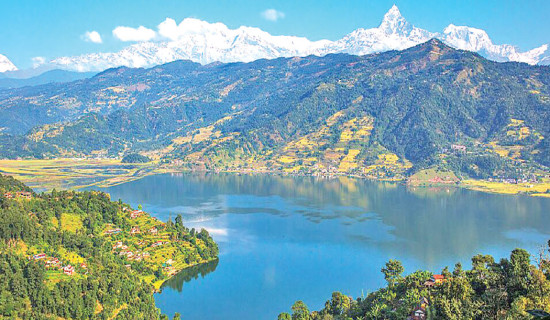
Overcoming internal and external challenges, Nepal’s economy is bouncing back due to surge in agricultural products, tourism, inflow of remittance and hydropower exports. Reports of the National Statistics Office (NSO) and the World Bank (WB), released Tuesday, offer satisfying scenario of the country’s economy at a time when the business sector is still struggling to come out of lingering recession. It is true that post-pandemic recovery has been slow as there was no adequate investment in productive areas. The NSO has estimated a 4 per cent growth in the gross domestic product (GDP) at a constant price in the second quarter of the current fiscal year 2023/24 as compared to the corresponding quarter of the previous fiscal year.
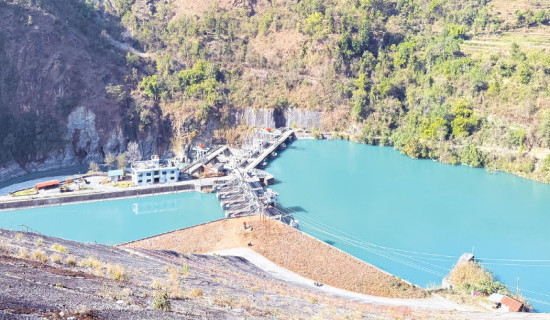
The NSO has attributed the improvement in economy to growth in paddy and other agro products, tourist arrivals along with the increase in the total value added in the hotel sector and slight growth in trade. Of 18 industrial classifications of the economy, the total value added growth rate of 17 industrial sectors is encouraging. On the other hand, the WB's twice-a-year country development update puts Nepal's economic growth at 3.3 per cent in the current fiscal year as a result of revived tourism and a pickup in hydropower exports. It predicts 4.6 per cent economic growth for next fiscal year. Private consumption is expected to stimulate growth backed by a significant increase in remittance inflows. Despite low private investment, the crisis-hit economy has been on a recovery path.
However, dependency on remittances bears many risks as the WB has warned that a growth slowdown in partner countries, particularly India, Gulf countries and Malaysia, can lead to a drop in remittances and tourism. In order to enhance the growth, it is necessary to increase capital spending, lift business confidence and strengthen international competitiveness. Meanwhile, the NSO states that the activities related to accommodation and food service sector has the highest growth rate of 29.3 per cent while electricity and gas sector are the second highest growing industrial sectors with a growth rate of 17.1 per cent. The contribution of the agriculture, forestry and fisheries to the economy was the highest. Their growth rate stood at 3 per cent during the second quarter of the current fiscal year.
Similarly, the transport and storage sectors accounted for 14.3 per cent while the growth rate of the financial and insurance sectors is 9.1 per cent during the review period. But the gross value addition of the wholesale and retail trade sector will see a marginal growth of 0.5 per cent in the second quarter of the current fiscal year. The commerce and manufacturing sectors that form the vital part of the economy is yet to see an uptick. There has been a decline in the import of commercial goods. On the other hand, the value added growth rate of the industrial goods manufacturing sector stood at a meagre 0.4 per cent, with negative repercussions on the export trade. Nepal needs to espouse appropriate policy to cash in on demographic dividends by promoting domestic and foreign investment in manufacturing and service sectors. This will generate gainful employment opportunities for youths and accelerate economic growth.