- Saturday, 25 April 2026

Winter Guide For People With Diabetes

Navigating the winter months with diabetes presents a unique set of challenges as the world transforms into a landscape of snow and cold. Individuals grappling with diabetes must confront various complexities, from managing blood sugar levels in the face of temperature drops to paying extra attention to foot care and safeguarding mental well-being.
The winter season often tempts people to be less active due to the chilly weather and the allure of confronting, indulgent foods. Despite the reluctance to leave the warmth of a cozy bed during the winter, maintaining a sedentary lifestyle can be particularly detrimental, especially for individuals with diabetes. Interestingly, our metabolism tends to function well in the winter, presenting an ideal opportunity to embark on weight-loss efforts during this season. This comprehensive guide aims to empower those with diabetes by providing insights and practical tips to successfully navigate the intricacies of the winter season.
Understanding the impact of winter on diabetes is the foundational step in crafting an effective strategy. The drop in temperature can influence blood circulation, potentially increasing the risk of heart-related complications. Awareness of these challenges lays the groundwork for a tailored approach to managing diabetes during the winter months.
Creating a warm and comfortable environment is crucial for individuals with diabetes, as the cold can exacerbate complications. Maintaining a warm living space by setting the thermostat to at least 18 degrees Celsius in frequently used rooms is essential. Exploring financial assistance options or grants to enhance energy efficiency can further contribute to creating a comfortable and diabetes-friendly environment.
Monitoring blood sugar levels becomes even more critical during the winter. The cold weather can impact blood sugar levels, necessitating more frequent testing. Overcoming challenges such as cold hands during finger-prick testing can be addressed by using hand warmers or holding a warm cup of tea before testing.
Caring for feet in cold conditions is imperative, as winter demands heightened attention to foot care. Despite the need for layering, daily foot checks remain essential. Individuals with diabetes should exercise caution when using heating devices to prevent burns, especially for those with neuropathy.
Ensuring medication and equipment safety is paramount in the winter. The extreme cold can adversely affect insulin and diabetes testing equipment. Storing insulin at room temperature and keeping testing equipment, as well as insulin pump handsets, in insulated pockets when venturing outdoors becomes a crucial practice.
Prioritising vaccinations is integral to safeguarding overall health during the winter months. Individuals with diabetes are vulnerable to winter viruses, highlighting the critical importance of staying up to date on flu jabs and COVID boosters.
Mental health and emotional well-being are often overlooked aspects of diabetes management during the winter. The gloom of winter can cast a shadow on mental health, potentially impacting blood sugar levels. Seeking support from healthcare professionals, family, or engaging with online forums is crucial to effectively managing stress and emotional well-being during the colder months.
Addressing the financial aspect of diabetes management is another key consideration. The cost of living, including energy bills, can pose a formidable challenge for those managing diabetes. Advocating for guaranteed protection against energy disconnection and seeking resources to alleviate financial burdens associated with diabetes care are essential steps towards a more secure winter.
Nutrition plays a pivotal role in blood sugar control, and maintaining a well-balanced diet is paramount. Individuals should be mindful of their alcohol intake, understanding that it can lead to heat loss and dilated blood vessels, contrary to the common perception of providing warmth.
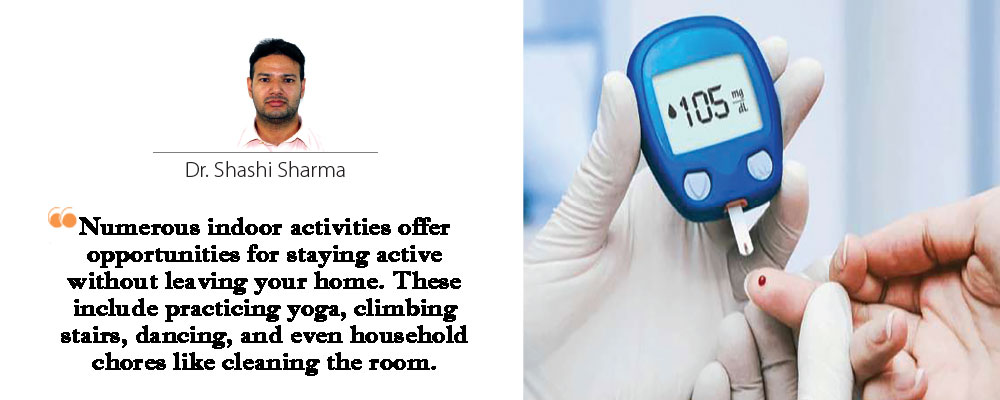
Staying active indoors is crucial for diabetes management, even during the colder months. Engaging in a brief daily exercise routine for a minimum of 30 minutes can enhance your insulin sensitivity, aid in more effective regulation of sugar levels, promote warmth, and potentially boost your mood. Monitoring blood sugar levels, especially for those using insulin, is crucial. During the winter, reduced physical activity may result in inadequate glycemic control, making it essential not to neglect walking even in inclement weather. Numerous indoor activities offer opportunities for staying active without leaving your home. These include practicing yoga, climbing stairs, dancing, and even household chores like cleaning the room.
In conclusion, thriving with diabetes during the winter necessitates a holistic approach that encompasses physical, emotional, and financial well-being. Armed with knowledge and proactive measures, individuals with diabetes can not only overcome the challenges posed by winter but also ensure a season of good health and well-being. Regular communication with health care teams and a strong support network are essential components of a successful winter diabetes management strategy, ensuring a journey through winter that is both comfortable and healthy.
(The author is a consultant physician and Assistant Professor of Internal Medicine at Purbanchal University Teaching Hospital, Gothgaun, Morang.)