- Wednesday, 3 June 2026

Indigenous Peoples Matter

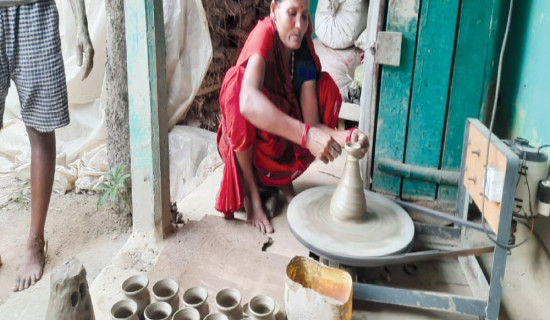
Nepal is home to numerous indigenous peoples with their distinct languages, custom, costumes and cultural heritages. As of now, a total of 60 ethnic and indigenous communities have been recognised officially. There is no doubt that these communities have contributed significantly to the process of nation building. The preamble of the country’s federal constitution highlights the commitment to upholding and fostering unity amid diverse features such as multi-racial, multilingual, multi-religious, multi-cultural and geographical diversities. Varied struggles of the marginalised castes and communities had played a crucial role in ensuring the rights of the indigenous peoples. The national charter and relevant laws have criminalised discriminations based on castes and ethnicities. The ill practice of ‘untouchability’ has come to an end constitutionally. However, this practice still seems to be discriminating the so-called ‘lower-caste’ communities in reality. Massive public awareness against social disparities and effective implementation of laws are essential for rooting out the inequalities once and for all.
As decided by the United Nations General Assembly on December 23, 1994, in its resolution 49/214, the International Day of the World’s Indigenous Peoples is celebrated on 9th of August every year. The date marks the first meeting, in 1982, of the UN Working Group on Indigenous Populations. With the theme ‘Indigenous Youth As Agents of Change for Self-determination’, the event was marked worldwide on Wednesday. Millions of indigenous people live globally. In Nepal, the number of such people stands at around 12 million. With globalisation, many indigenous populations are at risk of being marginalised and displaced worldwide. Their languages, cultures and skills are also on the verge of extinction. In such a situation, it is vital for both the state and non-state actors to step up effective measures for their protection and welfare.
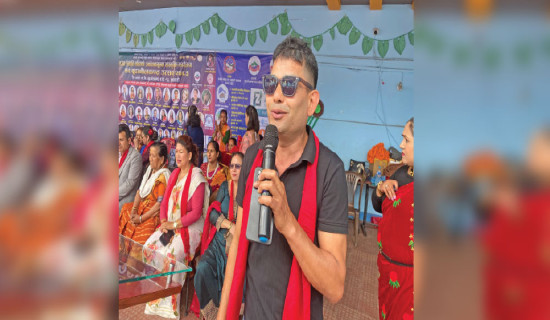
Prime Minister Pushpa Kamal Dahal 'Prachanda' has commended the indigenous and ethnic communities for their important role in moulding Nepal's historical progress, evolution of civilisation, enriching diversity of culture, and overall process of nation building. Speaking at a function organised by the Nepal Federation of Indigenous Nationalities (NEFIN) to mark the 29th International Day for World’s Indigenous People in Kathmandu on Wednesday, the Prime Minister called on one and all to comprehend and internalise this reality. He also called for safeguarding socio-cultural solidarity, promoting tolerance and harmony, and eradicating all forms of discrimination based on class, caste, region, language, religion, and gender. He stressed the establishment of an egalitarian society founded on the principles of proportional inclusion and participation to ensure economic equality, prosperity, and social justice. The day may inspire everyone to contribute towards institutionalising the federal democratic system of governance and ensure the continuous progress in pursuit of identity and rights of the indigenous communities.
In line with Article 261 of the constitution, the Indigenous Commission has been set up, with its primary responsibility to offer suggestions to the government in regard to formulation of laws and policies for the uplifting of the status of the indigenous communities. The commission has been entrusted with the responsibilities of identifying traditions, cultural practices and languages besides protecting and promoting the rights of indigenous peoples. As highlighted by the Prime Minister, it is imperative to carry out a myriad of development policies, programmes, and empowerment initiatives to ensure the wellbeing of the indigenous communities. What is equally necessary is preserving, highlighting and developing the languages, literatures, cultures and philosophies of such communities. Unity in diversity is an important feature of the Nepali society. This harmony must last forever.