- Tuesday, 2 June 2026

Homes Away From Home

Tourism is one of the fastest growing industries worldwide, contributing significantly to economies. As millions of people from around the world make their trips to different destinations annually, they spend billions of dollars. Being a powerhouse for economic growth, this tertiary sector is an important source of generating revenue and employment, and foreign exchanges for nations globally. However, global tourism, like other sectors, also had to suffer an unprecedented setback for nearly three long years owing to COVID-19 and ensuing travel bans and other measures put in place to deal with the pandemic. Many nations were forced to lose a lot of tourism-related jobs during the period. When tourism activities came to a grinding halt throughout the nation, tens of thousands of people were rendered jobless even in Nepal while the government failed to make revenues from tourism. With tourist arrivals recorded all-time low in 2021, the country experienced a drastic fall in foreign exchange earnings as well.
However, the situation has now been improving gradually as the tourism business has started bouncing back in Nepal since the beginning of 2022. The country welcomed as many as 404,231 foreign tourists in the first five months of this year. These figures indicate that tourist arrivals have nearly reached pre-pandemic levels. Such a revival has definitely boosted the level of confidence among all tourism stakeholders, especially entrepreneurs. Many jobs in the tourism industry seem to have been restored in the country as almost all destinations have seen an increase in tourism activities. With COVID-19 receding worldwide, the hospitality business is likely to get a further boost soon. With the revival of tourism, even the local communities have begun reaping benefits from the hospitality industry. Thanks to scenic beauty, fascinating culture and lifestyle of the people living in rural areas, many tourists visit there. With the diversification of tourism activities, the local communities have developed homestay facilities in different parts of the country to host the visitors.
In line with the concept of homestay tourism, tourists as paying guests, stay in the local people's homes. They not only taste local cuisine but also get familiarised with the culture and lifestyle of the local people. Sirubari of Syangja district is considered the pioneer in homestay tourism in the country. The typical Gurung settlement has earned international praises as visitors to the village gain new experiences. More than two decades ago, the village bagged the prestigious Pacific Asia Travel Association Gold Award. With the success of the Sirubari homestay scheme, such facilities have expanded to other rural areas as well. Looking at its growing prospects, the government has also introduced a regulation. The locals of Madi village in Chitwan district have also been running homestay business. Launched in December 2017, the Ayodhyapuri Madhyawarti Community Homestay offers 29 rooms in 14 homes.
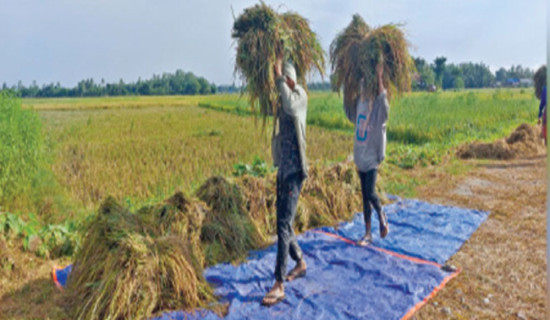
The Madi locals, who have to live in fear of wild animal attacks and floods, have now found new hope for living through this business. More tourists have started living in the homes of locals, creating an alternative economic opportunity for them. The rooms remain fully occupied at the weekends. As per a news report published in this daily on Thursday, homestay tourism has been helpful for raising the living standards of the local people. In the past, they used to be totally dependent on agricultural activities. Now homestay tourism has become an alternative source of income for them. This form of tourism appears to be gaining ground owing to its homely atmosphere and local dishes. Even the returnee migrant workers have started this venture.