- Tuesday, 2 June 2026

Bust False Health Claims

Every year billions of dollars are wasted on unverified products and treatments around the globe in the hope of improvement in health conditions and well-being. The hard-earned money goes to purchasing products with unproven efficacy. The act results in cheating people of their money, their time, and even exacerbates the health problem.
Dishonest people and companies often will say almost anything to allure consumers to purchase their product or service. Scammers make varieties of fake health claims, however, they usually follow a few common patterns. The claim that one product cures a wide variety of diseases and health problems is definitely false. A statement such as “proven to treat arthritis, infections, prostate problems, uterine problems, impotency, ulcers, cancer, heart ailments, diabetes, and high blood pressure” can never be true, and thus can mislead us.
False claims
We have seen an advertisement stating that “results in 15 days or get your money back.” They will not do either. Scammers even use bogus phrases like scientifically proven, miraculous cure, secret ingredient, exclusive product, or natural remedy that give a false impression, or are simply not authentic. The term natural doesn’t mean either safe or effective. In fact, "natural" can both be detrimental and ineffective. And so-called “natural” products might interfere with proven treatments recommended by a qualified healthcare professional.
The medical false claims have caused more harm to the health and well-being of millions of people and often go unrecorded. Their common targets are people or their loved ones having chronic illnesses such as diabetes, kidney failure, and even cancer. Let us talk about three common ailments for which most false and/or bogus claim are directed. Scammers usually try to take benefit of the anxiety and worry that are often associated with a diagnosis of cancer. People are tempted to try so-called “miracle” cancer-curing products like pills, powders, and herbs that are advertised or heard about by family, friends, and social media.
Some of such claims also publish testimonials of people from other countries. It is important to know that no single device, remedy, or treatment can treat all types of cancer. There are different types of cancers, and no one treatment works for every cancer or everybody. Even two people with the same diagnosis may need different treatments depending on the stages. Scammers falsely promote substances like teas, tinctures, and pills containing ingredients that can be useless at the best and harmful at the worst. It is advised not to use these substances.
Therefore, always be skeptical of advertisements for products that claim to treat cancer. It is recommended to consult your healthcare provider who knows the science and your treatment needs. Chronic diseases such as diabetes requires individualised treatment by a qualified healthcare provider. Diabetes cannot be cured but losing weight, eating healthy food, and being physically active can help manage blood sugar levels. Taking medicine as prescribed by a qualified professional, getting diabetes self-management education and support, and keeping healthy food habits with moderate levels of physical activity can also reduce the impact of diabetes on your life and improve your quality of life.
Therefore, any unproven products or treatments for diabetes can be dangerous and oftentimes exacerbate diabetic complications. According to available scientific evidence, there is no evidence that any dietary supplement including vitamins or products with herbs or minerals will treat diabetes and high blood sugar. It is crucial to remember that delay or stop effective, proven treatments for diabetes for unproven supplements can even be hazardous. For anyone who is tempted to use a nonprescription product to treat diabetes, high blood sugar, or any other serious health condition, talking with a qualified healthcare provider is vital.
Unlike prescription or over-the-counter drugs, herbal supplements are not regulated by drug regulatory agencies, so there is always an ambiguity on the ingredients they contain. For anyone who is diagnosed with kidney disease or not, it is important to remain cautious and alert with any other products that are not scientifically proven. People with chronic kidney disease should be cautious in taking any herbal remedies or even supplements as they may even cause further kidney injury. People with kidney transplants should be even more cautious as herbal medicines may interact with certain immunosuppressants, anti-rejection medicines. Others may have high amounts of potassium or phosphorus which are detrimental to kidney health.
Consultation
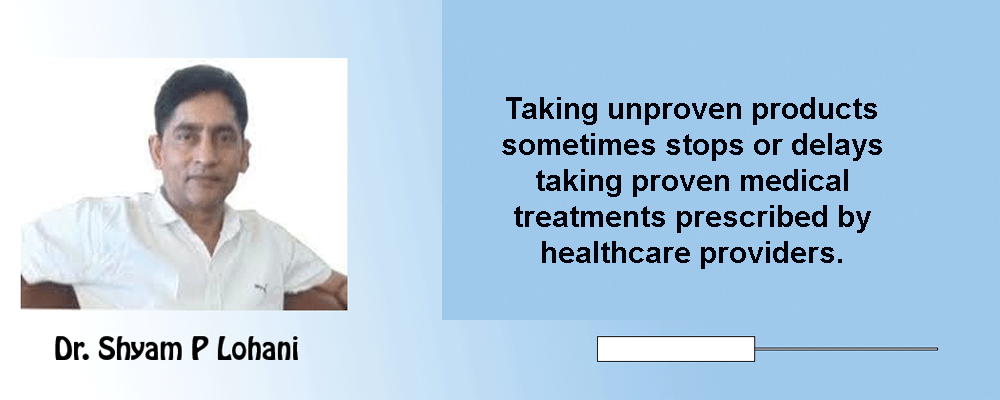
Having said that people should be cautious about taking any unproven products with a claim to be natural or miraculous, it is advised to ask a few important questions specifically on efficacy, scientific evidence, composition, interactions, side effects, and dose. It has been found that taking unproven products sometimes stops or delays taking proven medical treatments prescribed by healthcare providers. They also might discourage us from making other important changes to help our condition such as diet or lifestyle.
Moreover, it is essential to discourage any company and/or people from taking advantage of our hope for benefit. Therefore, it is advised to be suspicious about any treatment or product that guarantees or promises about improvement in health, and lastly, always consult with the health care provider prior to taking any decision on other products than prescribed.
(Dr. Lohani is the clinical director at the Nepal Drug and Poison Information Centre. lohanis@gmail.com)