- Tuesday, 2 June 2026

The Road To Progress

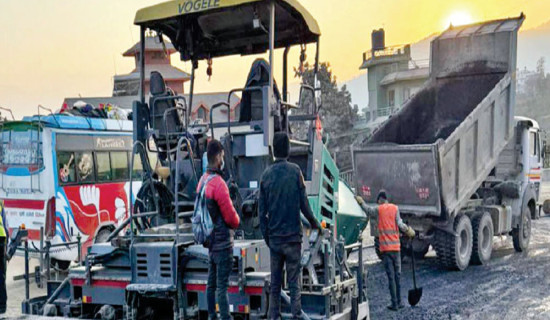
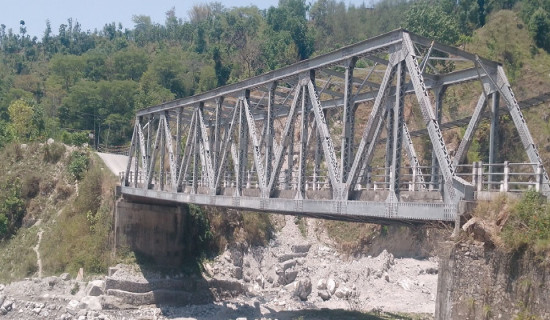
Roads are the most indispensable infrastructure as they connect one place with another and facilitate the movement of people and supply of goods and services. Such structures make an important contribution to the socio-economic development of the nation. When people living in a particular area have access to a good road network, they may find it easier to move ahead on the path of their overall development. No doubt, roads provide people with access to employment opportunities, and health and education services. These infrastructures may open up more avenues for social transformation and spur economic growth. Roads can be a lifeline for the local residents who may set up their own enterprises or start-up ventures. So, these infrastructures play a pivotal role in fighting poverty and backwardness. Without having such a road linkage, no areas can see the rays of development. This is why construction of roads, highways, expressways and railways is given top priority by nations aspiring to achieve high economic growth and other development goals.
Nepal has made a remarkable progress in terms of building road networks over the years. Along with the development of roads, even the living standard of the rural people seems to have improved considerably. However, poverty is still prevalent in many parts of the country. Realising the importance of roads, the three-tier governments have laid much focus on expanding and upgrading such key infrastructures. The Hetauda-Sindhuli-Chatara-Dharan Road Project is one of the major strategically important road networks in the country. With this infrastructure coming into operation, the Inner Terai from Makwanpur to Sunsari has witnessed increased mobility of people. Economic activities have witnessed a growth in the areas from where the road passes through. This part of the Inner Madhes had remained almost deserted before the construction of this road. Owing to the Terai movement, the East-West Highway had remained obstructed time and again. It was quite challenging for transport entrepreneurs to operate their vehicles along the East-West Highway.
So, vehicle operators began using this road from Dharan in Sunsari to Hetauda in Makawanpur through Udayapur and Sindhuli districts. This road passes through the foothills of the Chure belt. With the passage of time, the road started gaining ground. In the fiscal year 2007/08, the government came up with a plan to expand and upgrade this road as an alternative highway to the East-West Highway. The road project was recognised as a national pride project in 2015-16. However, in 2018, the government renamed this road as the Madan Bhandari Highway. Construction of this highway is now being undertaken by the Department of Roads (DoR). Under this 250-km highway project, the 135-km road linking Basaha in Udayapur to Bhiman of Kamalamai Municipality in Sindhuli is known as the eastern section while the 115-km road from Bhiman to Chaughada in Hetauda Sub-Metropolitan City is identified as the western section. This road lies between the East-West Highway and the Mid-Hill Highway connecting the eastern and the western parts of the country.
According to a news report published in this daily on Monday, the western section of the highway has been handed over to the Hetauda-based Road Division Office. Construction of the remaining section of the project has been going on smoothly despite some disputes concerning compensations for the physical structures of the local people, including houses. The operation of this highway has eased people, especially from Ramechhap, Dolakha and Sindhuli, to travel to Hetauda, the provincial capital of Bagmati Province. The road is also expected to help raise the living condition of the people inhabiting in and around this road project.