- Sunday, 12 April 2026

Imminent double-digit inflation likely to hurt majority in Nepal
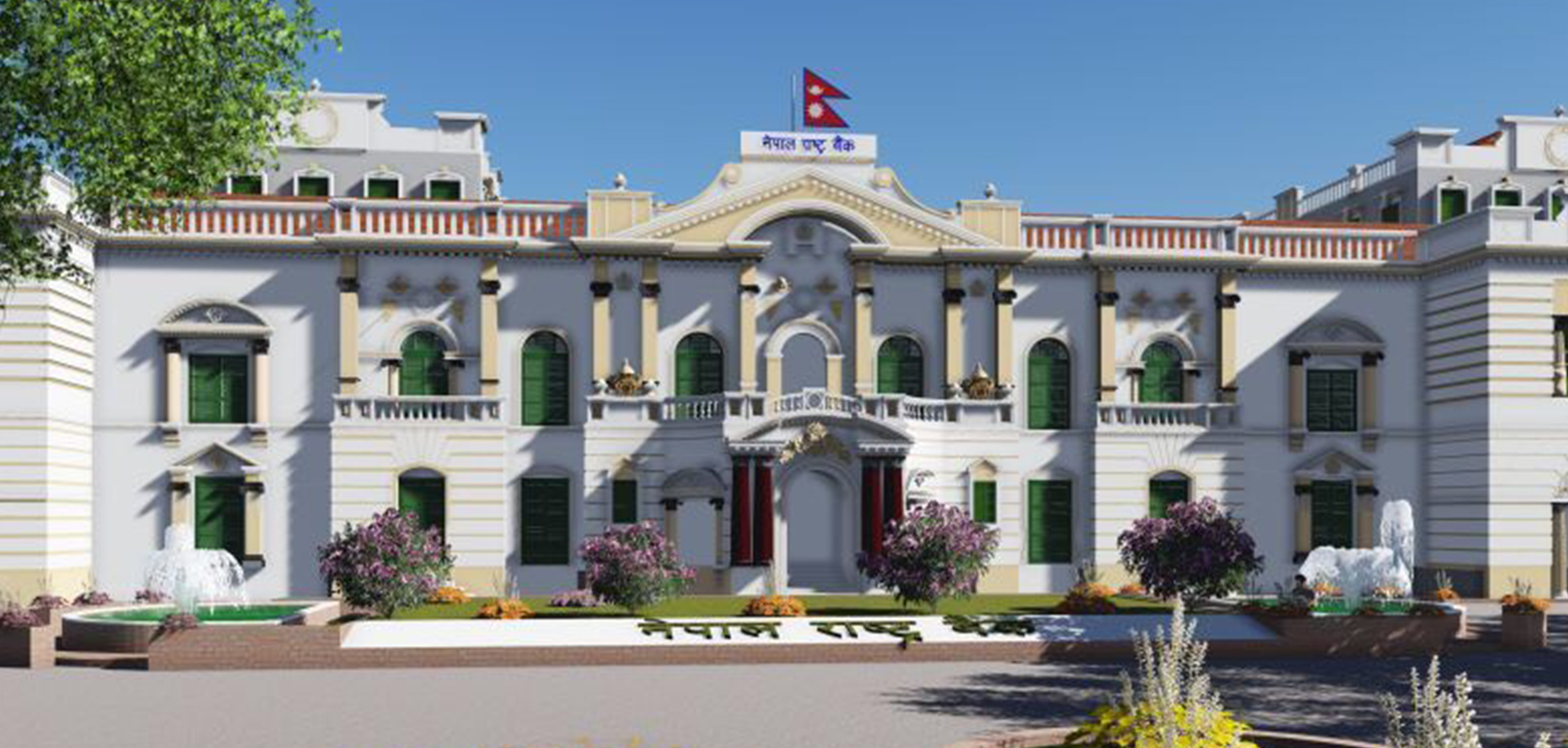
Nepal Rastra Bank building, file photo.

By Ajay Chhetri,
Kathmandu, July 20: Nepal Rastra Bank (NRB) in mid-June 2022 revealed an alarming
figure of inflation, a sharp rise of inflation to 8.56 per cent on a year-on-year (YoY) basis. Further, it seems to be ticking up rapidly to overtake
the previous record of 9.9 per cent spotted in 2015/16. The igniting inflation is
likely to engulf more than a third of the population back into severe poverty
as the local currency has been losing its purchasing power.
For instance, the sunflower oil price at the end of
June 2022 increased to Rs 350 per liter in the retail shop of Kathmandu straight
away from Rs. 175 recorded a year earlier. This illustrated that a buyer who
can allocate the budget of only Rs. 175 for the cooking oil now could afford
only half a liter as the purchasing power of Rs. 175 dropped deeply.
The ongoing inflation could particularly hurt a major
segment of the lower-income population as it is specifically stoking up the necessary
requirements like food and fuel price in addition to education, transportation,
and service.
In Kathmandu, the retail price of soybean exorbitantly
rose by 100 per cent to Rs. 320, pulse by 30.76 per cent to Rs. 170 in the end
of June 2022 from a year earlier. Besides, petrol price spiked by 23 per cent
to Rs 179 per liter, diesel by 27per cent to Rs. 163 per liter and LPG gas by
15.75 per cent to Rs. 1800 per cylinder in Kathmandu just in the 4 months. The
Nepal Oil Corporation has stubbornly kept fuel prices up despite the fact that the Indian
Oil Corporation handed over the reduced price a week ago.
In addition to the food and fuel, NRB reported that
the price rose by 25.79 per cent in transportation, 11.64 per cent in
education, and 8.21 per cent in housing equipment.
If this skyrocketing inflation is not tamed quickly, it will lead to double-digit inflation soon, it can, according to reports, inevitably leave millions of people with
no alternative but to trade off the existing living standard soon.
The multidimensional Poverty Index (MPI) report revealed
that Nepal successfully reduced multidimensional poverty from 30.1 per cent in
2014 to 17.4 per cent in 2019. If inflation enters into the double-digit figure,
it in effect could push those who were clubbed in the 30 per cent poor in 2014 again
into the slot of the poor.
A World Bank report Nepal-Development-Update-Post-Pandemic-Nepal-Charting-a-Resilient-Recovery-and-Future-Growth-Directions
on the post-pandemic Nepal in 2020 warned that around 31.2 per cent
of the population live close to the poverty line (earning between USD 1.90 to USD 3.20
a day) and are dwelling at high risk of falling into extreme poverty. The report
further revealed that informal business makes up 50 per cent of enterprises
which is the main source of income for the labors. Within this group, urban
informal sector workers and self-employed households in urban areas are more vulnerable than rural households who can fall back on substance farming.
Inflation has emerged to encircle more
population within the radar of the poverty group while the two-prong challenges arise
from inequality and unemployment already looped in a large swathe of the population.
The report fighting
inequality in Nepal published by Oxfam and HAMI in 2019, revealed
that the income of the 10 per cent richest composed more than three times
that of 40 per cent poor.
Alongside the acute inequality, the Economic Survey (आर्थिकसर्वेक्षण२०७८/७९) showed that around 708 thousand were enlisted
for an opportunity to get employment under the Prime Minister Employment
Program at the end of mid-March 2022. However, hardly 10 per cent have got an opportunity for employment. A year earlier, around 24 per cent out of
around 752 thousand got employment under this scheme.
However, the scenario of soaring inflation seems
to create many hardships for the poor as the economy is battling on both internal
and external frontiers.
Nepal imports necessary food items like onion, potato,
and other food grains from India which is already facing fresh wholesale price
inflation of over 10 per cent in May. According to thehindu the wholesale price in India stayed above the 10 per cent mark for 14 months in a row.
The deepening foreign exchange reserve and eventual
loss in the value of the local currency have exerted inflationary pressure. The NRB
report showed that the gross foreign exchange fell by 18 per cent to Rs 1146.88
billion in mid-May and buying price of USD has gone up by 5.65 per cent against the local currency.
The infrastructure bottleneck remained a barricade to
lubricate economic activities. The progress in road connectivity, mega
irrigation projects, and transportation facilities some of which are categorized as national pride projects remained stagnant. Only the Upper Tamakoshi
Hydropower project is completed so far. The capital spending never crossed 50
per cent of its annual allocation of Rs 3.50 billion.
The IMF
has projected that war in Ukraine and a broadening of price pressure
could elevate inflation for longer than previously forecast.
Former executive director of Nepal Rastra Bank (NRB)
and vice-Chairman of National Planning Commission (NPC) Min Bahadur Shrestha viewed
that if the government doesn’t take immediate measures to mute inflation, a large
section of society which has recently been alleviated out of poverty will again
get pushed into severe poverty situation.
According to the spokesperson of Nepal Rastra Bank
(NRB) Dr. Gunakar Bhatta, the rise in fuel prices in the international market and
disruption of the supply chain after COVID-19 have ignited inflation in Nepal.
It's yet to see how the central bank precedes the next move
through monetary policy to balance inflation and support growth. If inflation gets
further intensified, the two third of the population could again fall back into
a situation of severe austerity.

-original-thumb.jpg)

-original-thumb.jpg)