- Thursday, 28 May 2026


The Rising Nepal

Purnima is shining in Nepali music industry
Singer Purnima Lama ,who has been singing since her childhood, has now emerged as a strong pillar in the Nepali music industry. Active in the Nepali music field for almost a decade and a half, Purnima has sung about 500 songs over the years.
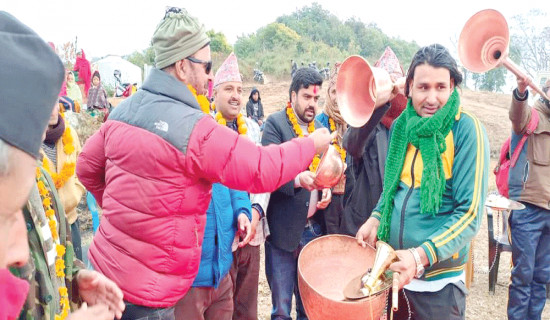
Panchebaja distributed in Gulmi
'Panchebaja', a set of five musical instruments, has been distributed in Turang of Chandrakot Rural Municipality Ward-8, Gulmi district in order to preserve the traditional Nepali culture.
BP’s Vision For Changing Geopolitics
Forty-six years ago, on Paush 16, 2033, (December 30, 1976), Bishweshwar Prasad Koirala, popularly known as BP Koirala, decided to end his eight years of exile in India. Koirala, who was the leader of 1950-51 popular democratic revolution, became the first ever elected prime minister of Nepal after the first general elections in 1958-59 for five years. King Mahendra dismissed the Koirala cabinet in 18 months of five-year term, imprisoned the Prime Minister and his cabinet colleagues for no fault
Formalising Remittance Is Not Easy
Nepal is a least developed country with a small economy. Unemployment is one of the problems besetting the country. That is why many Nepalis seek job opportunities in foreign lands. They seek jobs in Malaysia, Qatar, Saudi Arabia, the United Arab Emirates, Bahrain, Kuwait, Oman, South Korea, Cyprus and other countries. Although India is not often mentioned while it comes to foreign employment destinations, the number of migrant workers working in India is high because Nepal and India are close neghbours with open borders.
-original-thumb.jpg)
Aviation Infrastructure
Renowned as an attractive tourist destination worldwide, Nepal has made great strides in the advancement of aviation infrastructure as the nation aims to expedite development works and give a boost to the multifaceted tourism industry.

Inclusion Empowers Disabled
Persons with disabilities are entitled to full inclusion in social, economic and political life. Nonetheless, they typically suffer some kind of marginalisation. Discrimination of people with handicaps is common around the world. However, their lives tend to be particularly tough in developing countries and emerging markets, where infrastructure is often poor and social protection systems are weak. When governments lack funding, people with disabilities rarely get the kind of empowering support they deserve.

US 2024 contest comes into view with hurdles for both parties
Both political parties are opening the new year confronting critical questions about the people and policies they want to embrace as the next election speeds into view. The challenges are particularly urgent for Republicans, who hoped to enter 2023 with a secure grip on one, if not both, chambers of Congress. Instead, an underwhelming midterm election yielded only a thin House majority that will expose fierce intraparty d

Flight cancellations trouble Bhairahawa’s tourism
Weather-induced cancellation of flights at the Gautam Buddha International Airport (GBIA) has negatively impacted the tourism businesses of Bhairahawa. Rachana Pant, first vice president of the Lumbini Province chapter of the Nepal Association of Tour and Travel Agents (NATTA), said that the such cancellations, caused by fog and poor visibility, had prevented tourists from making hotel bookings. “Tourists prefer to come here in the months of J
DPM Lamichhane instructs CDOs for effective service delivery
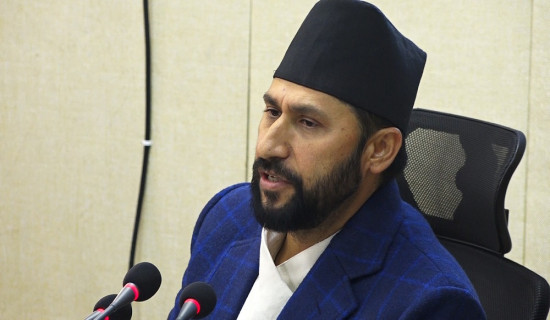
Deputy Prime Minister and Minister for Home Affairs Rabi Lamichhane Monday instructed CDOs to make service delivery more effective so that there are no complaints from citizens.

NKorea’s Kim orders expansion of nuke arsenal
North Korean leader Kim Jong Un ordered the “exponential” expansion of his country’s nuclear arsenal and the development of a more powerful intercontinental ballistic missile, state media reported Sunday, after he entered 2023 with another weapons launch following a record number of testing activities last year.
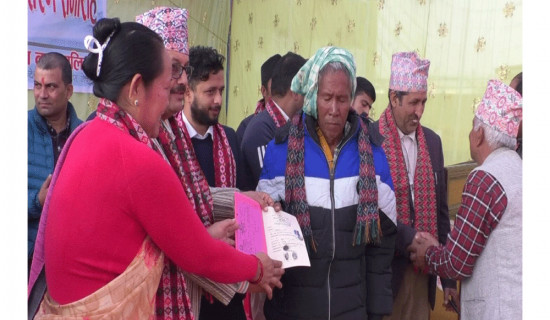
Locals happy to receive land certificates after five decades
Sabita Neupane, 75, of Ward No. 10 of Sainamaina Municipality in Rupandehi district, was almost sure that she would not get the land ownership certificate of the land where her house has been standing for years.
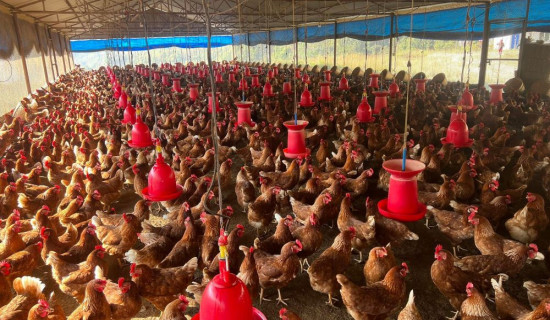
Poultry farmers seek government assistance
A Layer Poultry Farm has been established in Dhaireni of Myagde Rural Municipality-6, Tanahun. Amrit Thapa and Guru Prasad Paudel have invested Rs. 60 million in the farm.
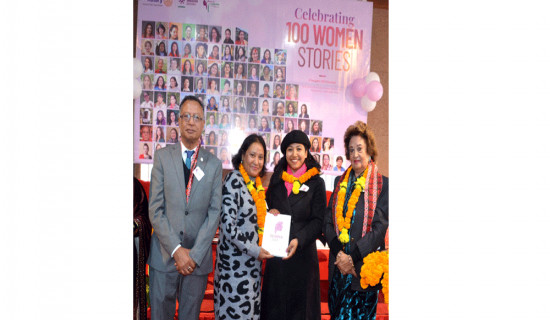
Book on 100 inspiring women published
A book has been published containing the stories of 100 women who have made special contributions to the Nepali society through their hard works. Rotary RI District 3292 has published the book highlighting the contributions of selected 100 women to the country's development from enterprise, social service, police, military, administration, state level and private sector in all seven provinces of Nepal. The women included in the book are Sunita Dangol, Manju
Winter Arrived, So Did Energy Bill
At the start of 2023, let reality dawn on all; for the writing on the wall is loud and clear. No one should miss the bus and suffer the kiss of long-term loss. Traditional powers should give up the idea of their hegemony prevailing for eternity. Times and circumstances change. Prudence should prod all nations and peoples not to put all the eggs in a single basket. After all, the West has been advising the world that changes cannot be preven
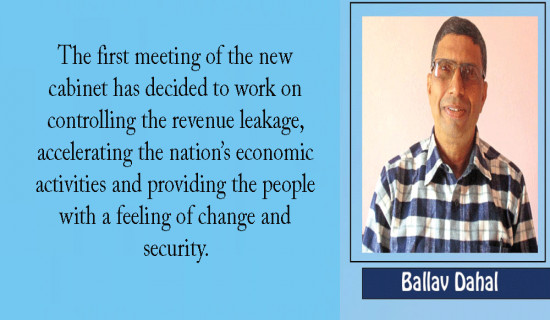
Actions Speak Louder Than Words
Though the newly-formed seven-party coalition government led by Pushpa Kamal Dahal ‘Prachanda’ has a bumpy road ahead, it seems to be determined to deal with numerous challenges and problems facing the nation and the people. The government has to work as per the aspirations of the people as the latter have pinned much hope on it. However, the Prime Minister needs to move ahead by taking the coalition partners into confidence.
