- Wednesday, 13 May 2026

Ordinances meant to accelerate reforms: RSP

By A Staff Reporter,Kathmandu, May 13: Leaders from both ruling and opposition parties on Tuesday expressed differing views on the government’s policy and programme for the upcoming fiscal year during a meeting of the House of Representatives, with most lawmakers stressing the need for effective governance, stronger democratic practices and policies capable of addressing public expectations.
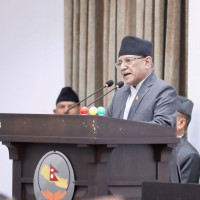
Addressing the House meeting, former prime minister and Nepali Communist Party (NCP) parliamentary party leader Pushpa Kamal Dahal Prachanda said the government’s policy and programme had yet to fully reflect the aspirations of the people and appeared closer to a collection of routine ministerial plans. He urged lawmakers to improve the document through broader discussion and comparative review of past programmes.
Dahal said the policy document should better capture the commitments and vision presented by the ruling coalition. At the same time, he stressed the importance of protecting the achievements of the peace process and the federal democratic republic. He described the present Parliament as an inclusive institution shaped by the sacrifices of thousands of martyrs and years of political struggle.
The former prime minister also argued that political debates should focus on right and wrong policies rather than on the division between old and new parties. He congratulated the ruling Rastriya Swatantra Party for its electoral success and recalled past cooperation on governance reforms, service delivery and anti-corruption efforts.
Speaking on behalf of the main opposition Nepali Congress, Parliamentary Party leader Bhishma Raj Angdembe stressed the importance of strengthening parliamentary practices and democratic consultation. He said the parliament should be given sufficient space for debate, particularly during discussions on the budget and major legislation.
Angdembe also highlighted the need for effective measures to address inflation, poverty and the difficulties faced by vulnerable communities. He called for better management of public expenditure, stronger disaster preparedness and greater coordination between the government’s policy priorities and the annual budget.
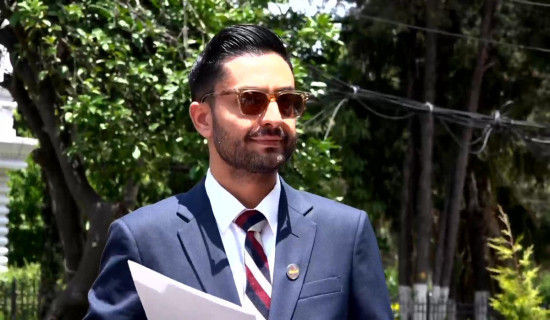
Defending the government’s approach, Rastriya Swatantra Party deputy parliamentary leader Ganesh Parajuli said the administration had already begun reforms aimed at promoting good governance and improving public service delivery. He maintained that the government remained committed to reducing political interference in state institutions and creating a more capable and professional bureaucracy.
Parajuli said ordinances introduced by the government were intended to accelerate reforms and respond to public concerns. He also stressed that the government’s broader goal was to strengthen governance within the existing democratic framework while ensuring greater efficiency in public administration.
Similarly, CPN-UML leader Ram Bahadur Thapa said the policy and programme should provide clearer answers to the country’s economic and development challenges. He highlighted the need for policies that promote sustainable development, economic reform and long-term stability.
Thapa also noted that public expectations had risen significantly in recent years and said political parties and the government alike must work collectively to fulfil those aspirations.
Shram Sanskriti pary leader Harka Raj Rai called for stronger accountability in Parliament, saying lawmakers’ questions and public concerns should receive timely responses from the government. He also urged greater attention to issues affecting border communities and local livelihoods.