- Tuesday, 2 June 2026

Economic Transformation Through Inclusive Governance

Nepal is in decisive moment now. The newly formed government is raising expectations of people. People are tired of the incremental changes. They want a visible improvement in income, jobs, and daily life. The government now has to translate the election mandate into economic growth.
For a long time, the country has invested in access to education, but this expansion has not translated into real changes for employment or productivity. Many school-going children are unable to complete their education, and the number of dropouts increases as they grow older. Once they come to the job market or for their employment, there are wide gaps in learning and earning. This is not merely an education issue; it is an economic constraint. The country’s economic growth is not inclusive.
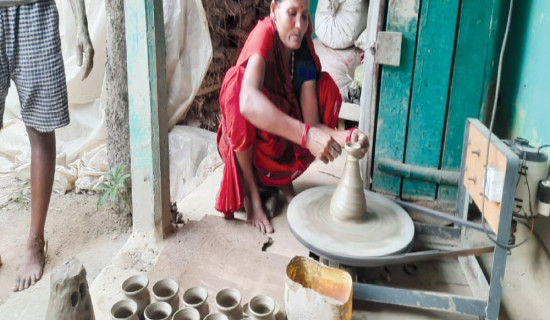
Women, who are more than 50 per cent of the total population, remain largely excluded from the productive sector. Both urban and rural women predominantly engage in informal, low-income activities that offer minimal chances for progress. The heavy unpaid carework burden limits their time and mobility, gets them market information, and actively engages them in the labour market. The dual failure of education to generate skills and growth that includes women is the true cause of our economic stagnation.
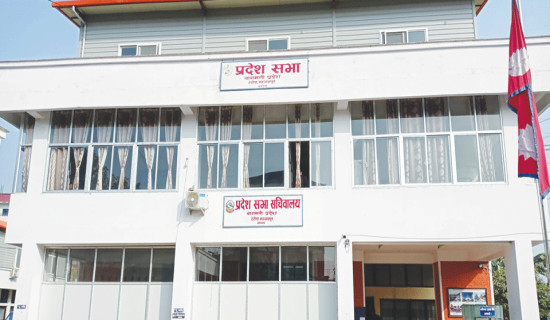
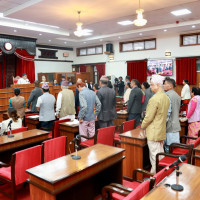
The current government led by Balendra Shah has reflected the emergence of a comprehensive government, unveiling 100 agendas for governance reforms with priority.
These action points may seem administrative or sectoral at first glance, but they represent a broader economic strategy. Economic growth will come from general reform that improves governance, reduces friction, and unlocks productivity across sectors.
Economic growth will definitely begin with a capable state. The hundred action points focus on governance reform by reducing the number of ministries, simplifying service delivery, making processes within the prescribed time, and establishing the prime minister's delivery unit. By these measures, transaction costs fall, the efficiency of the services rises, and economic activity thrives. Similarly, investor confidence will also increase due to a well-improved procurement system, established accountability, and strengthened anti-corruption mechanisms.
There are other strong emphases in a hundred action points, such as digital governance, further reinforcing this direction. Providing online services, digital signatures, creating unified platforms, and adopting a ‘data once' approach are productivity enhancers. Digital services are the means to reduce corruption, shorten processing time, and lower costs for business. The reform agendas prioritised IT infrastructure, legal frameworks, and integrated systems. In fact, the reform agenda recognises digital transformation's economic competitiveness.
The state alone cannot drive economic growth. The private sector has a vital role. The simplification of investment procedures, establishment of a one-door system, facilitation of the start-up process, and expansion of SME credit included in the 100-point agenda address long-standing barriers to promoting economic growth across the nation. For business security and removing transport bottlenecks and creating a transparent investment environment, there has been a clear way out.
We understand that addressing the labour market is essential for sustaining growth. The action points align closely with the need to bridge the education-employment gap.
The agendas have clearly emphasised establishing employment and skill centres, depoliticising education, and improving the examination system for establishing outcome-oriented education. The real transformation will come from reorienting skills with market demand, expanding technical and vocation education, and creating pathways from school to work. Without these changes, we will definitely continue to produce graduates without opportunities, perpetuating unemployment and migration.
Half of the population is female, and no economic growth is possible without their active involvement. It is not a social add-on but a core growth driver. Implementing SME financing, CSR alignment, business security, and skill development inclusively will significantly benefit women. Success is only possible when structural barriers such as access to finance, asset ownership, and the burden of unpaid care work are addressed properly. Economic growth without women's economic empowerment will remain unsuccessful, but growth that includes them will multiply.
The focus of government on infrastructure and sectoral reform is another critical aspect. It is paramount to ensure timely completion of road projects, improve the energy system, integrate water management, and promote tourism in the country to increase productivity and job opportunities. Most of the population in the country rely on agriculture for their livelihood. The agenda focuses on agriculture to strengthen the real economy rather than depending on remittances.
Financial and revenue reforms included in the agendas are also key to improving the tax system, enforcing e-billing, reforming customs, and integrating funds that can enhance revenue mobilisation and reduce leakages. These reforms can improve fairness and transparency, encourage compliance and widen the tax base.
Land is one of Nepal’s most underused resources. The agenda has included measures related to land management, urban development, and use of assets. Similarly, resolving cooperative saving issues and ensuring social stability are very crucial aspects for maintaining public trust and financial confidence. The comprehensive agendas have highlighted that economic growth is not the result of a single policy or sector but of a system that functions efficiently, inclusively, and predictably.
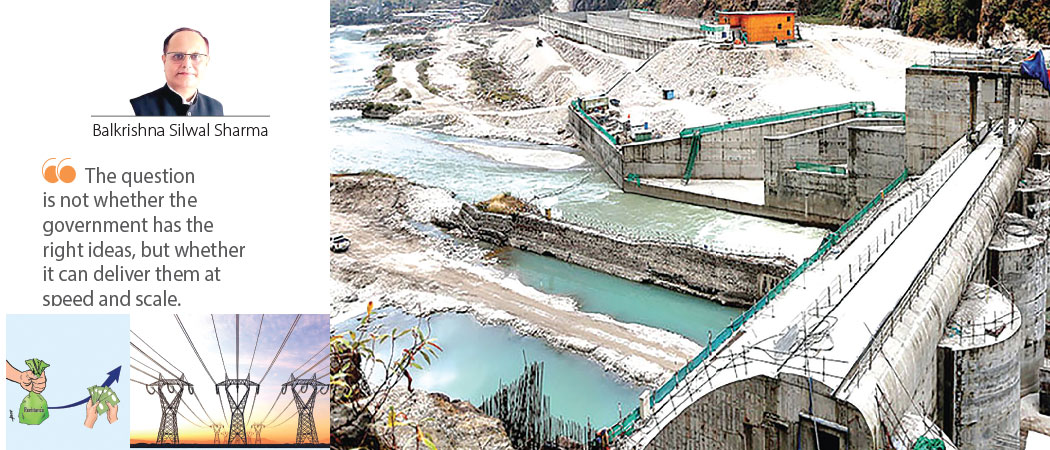
The comprehensive agendas from the current government are popular. However, the challenge lies in implementation. In the past, government had many policies, strategies, and plans, but the lack was in execution. The success of agendas will depend on prioritisation, coordination, and accountability. The question is not whether the government has the right ideas, but whether it can deliver them at speed and scale. If it succeeds, the nation can definitely move from a cycle of low productivity and high migration to one of inclusive economic growth and opportunity.
(The author is an international development consultant.)