- Tuesday, 9 June 2026

Make Education Relevant To Local Levels

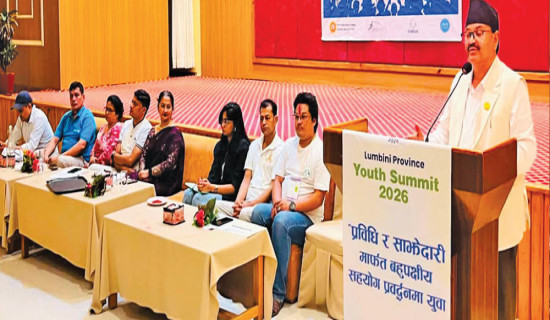
Nepal is now in the hands of a young, energetic, educated, and popular prime minister, with a 15-member cabinet that includes five women. This is the first time the Cabinet has had 33 per cent women ministers as per the constitution. Most of the faces in Prime Minister Balendra Shah’s cabinet are individuals who have never been part of any political party. However, they are all well-educated and represent different communities, including the Badi community, whose existence has been shaped by traditional practices rooted in age-old feudal systems.
This cabinet has started its work strongly from the beginning by taking actions that people did not expect so early, but were hoping for. Along with taking action against corruption and injustice, the government has also initiated reforms in education, the armed forces, and the civil services, among others. The beginning of this government is indeed a silver lining on the dark clouds that were hovering over Nepal. Now is the time for all Nepalis, and those closely observing the country’s development, to support this youth-led government in achieving its goals and moving towards a country where all daughters are safe and all youth have access to necessities and livelihood opportunities, so they do not have to leave Nepal for greener pastures.
Education reform
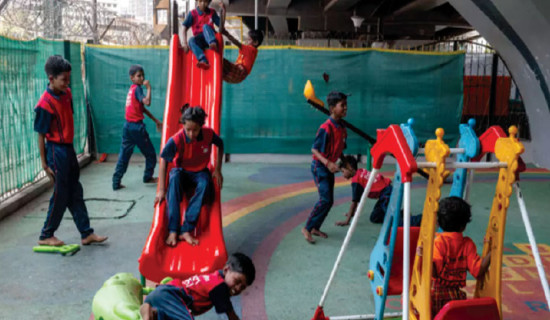
While Prime Minister Shah and his team move ahead with reforms, one suggestion is to closely examine what the development approach of the country should be now. After over 30 years of experience in the media and development sector, I would like to propose a few simple steps that could be initiated. The vision should be to enable all Nepali children to fill their own “pet (stomach) and pocket” themselves. We need to reform the education system, both at home, in communities and in schools and universities, ensuring there is no discrimination among girls, boys, and transgender children. Children need to be taught life skills such as taking care of themselves, maintaining personal hygiene, and developing skills to meet their financial needs independently. They should also learn to respect their own rights as well as the rights of others.
All children, regardless of gender, class, or caste, need to be educated together. They should learn professional skills and be taught to carry out household chores as they grow up, so they can manage their lives independently and lead simple, healthy, safe, and secure lifestyles. As children grow, it is equally important to educate them about their rights, and that no adult or anyone else has the right to abuse them physically, mentally, sexually, or in any other way. At the same time, they must also understand that they themselves cannot violate the rights of others. There are still many instances where daughters are expected to handle all household chores while also attending school, whereas sons are often not encouraged to learn these essential life skills, such as cooking, cleaning, and maintaining a home.
By the time children complete Grade 12, they must be equipped with the skills to take care of their personal needs and be able to recognise and say “no” to any adverse situations. There are many instances of physical and sexual abuse of children, often by individuals within their own families, friends, teachers, or neighbours. The education system, starting from the primary level, needs to incorporate life skills that help children recognise such risks and report them to trusted adults. In many Scandinavian countries, children are taught from an early age how to protect themselves and, in situations where they cannot, how to remain calm and report incidents immediately to government systems, either via phone or by approaching the nearest police or social service centres. While reforming Nepal’s education system and revising the curriculum, these aspects need to be incorporated.
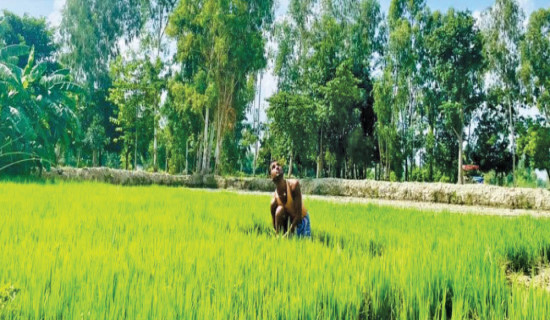
Basic education must continue to include subjects such as science, mathematics, geography, history, moral education, and languages, together with media literacy. However, it should also include a value system that respects all religions and cultures, allowing children to preserve their own traditions while respecting others. As climate change continues to negatively impact all aspects of life, there is a need to revise the curriculum so that children learn how to use digital platforms effectively and understand how to improve agriculture, industry, and environmental conditions in their local areas. This will support balanced development across Nepal and reduce the need for migration to urban areas for education and employment.
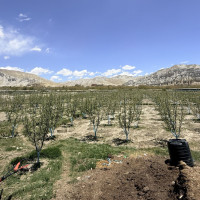
One example is a community development project I was involved in, which focused on strengthening local communities using their own resources. Canada provides exemplary models through its cooperative and credit union systems. While implementing the Community-Based Economic Development Project (CBED) in Jumla during the late 1990s, there were notable outcomes that deserve renewed attention today. Communities formed agricultural cooperatives that focused on developing seeds suited to local conditions, including crops such as carrots, which were later exported to neighbouring districts, boosting the local economy. User groups managed small hydropower systems that met local electricity needs.
Cooperatives
Women formed savings and credit cooperatives, which helped them develop financial management skills and access funds within their communities, especially in the absence of formal financial institutions. These cooperatives also empowered women to advocate for their rights and raise their voices against domestic violence. Similarly, the Small Farmers Development Project of Nepal, initiated in the 1970s, adopted a community-based approach that helped local farmers form cooperatives, improve agricultural output, and mobilise local financial resources. Unfortunately, the cooperative movement has since been tarnished by fraud and embezzlement.
Additionally, governments have often lacked the foresight to prioritise national development, focusing instead on personal and vested interests. As a result, financial support from institutions such as the World Bank, Asian Development Bank, and International Monetary Fund has not been fully utilised for the country’s benefit. The new government must now review past experiences and develop strategies that prioritise local development approaches, thereby building a self-reliant and prosperous Nepal.
(Sharma is a senior journalist and rights advocate. namrata1964@yahoo.com X handle: NamrataSharmaP)