- Thursday, 30 April 2026

Memetic Warfare

 Ojaswee Maharjan
Ojaswee Maharjan
Ojaswee Maharjan
War no longer begins with gunfire; it begins with a post going viral. The internet jokes that once seemed harmless have now transformed into powerful tools that influence how people think and feel about world events. Memetic warfare is the use of memes, viral content, hashtags and other internet content to spread ideas, influence and change the way people think about the world around them.
Memetic warfare is everywhere today. Memes are making crimes and violent acts look like jokes or entertainment. If people are repeatedly exposed to humorous content about tragedies, crimes and illegal activities, their emotional response towards these issues can weaken. This is called desensitisation, a mental phenomenon where an individual's emotional response towards a certain stimulus reduces due to repeated exposure. This could lead to a society that is less empathetic to suffering and make serious offenses seem less severe than they actually are.
This is visible even in youth activism. During the Gen Z protest in Nepal, memes and going viral played a major role in the promotion of messages and mobilisation of support. While memes have been effective in uniting the youth and raising awareness, they also sometimes turn serious political issues into jokes or symbols for online humor. This dual effect shows both the power and danger of memetic warfare. It can inspire change but at the same time, it makes serious issues seem less important.
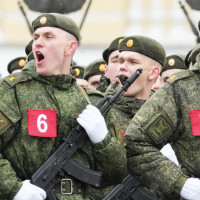
This phenomenon can be seen on a larger scale around the world. For example, during the war in Ukraine, social media platforms were filled with memes about soldiers, wars and politicians. A large number of those memes turn destruction and suffering into humorous content. Similarly, during the Israel and Hamas war, edited videos, viral images and memes became a source of humor, making human suffering seem like a joke, turning real tragedies into content that is easy to scroll and laugh at. By showing these events as entertainment, they create the risk of desensitising the global audience. The speed of meme distribution is faster than news reports, shaping the audience's perception before facts can settle in.
Although it is true that through the use of memes, people can become desensitised towards serious issues, but it is also true that memes can disseminate information effectively. People can be made aware of certain issues or they can even be mobilised for them. For instance, during the recent Gen Z protest, the use of memes played a critical role in helping young people know about the government's decisions, bringing supporters together and spreading messages that mainstream media would typically ignore. According to a study by Kumar et al. (2022), the use of images and humorous content may help in better understanding and accessibility of difficult subjects.
Specifically, for younger generations that typically obtain their news through social media and visual media such as memes, this can help increase political knowledge and participation by simplifying complicated issues and encouraging them to share more widely. Memetic warfare is real. People use technology to spread ideas but it also creates opinions, influences emotions and shapes how we respond to serious situations. The real danger emerges when it begins to make us less sensitive to reality because people start to treat serious things as normal or entertaining. Over time, this desensitisation can make us less sensitive to right and wrong, so we do not react to take action when we see injustice.