- Saturday, 2 May 2026

Vulture safe zone in offing in Sudurpaschim
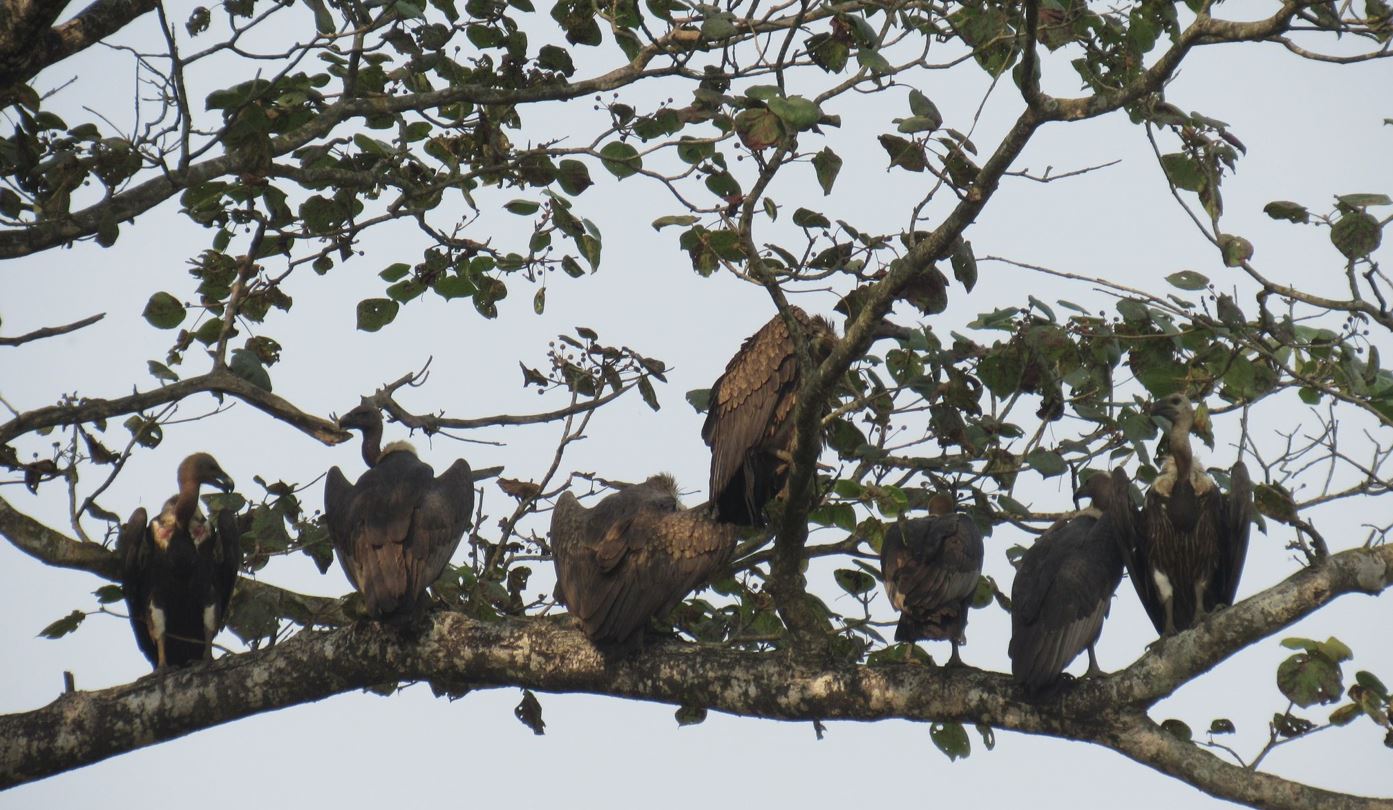

By Avinash Chaudhary,Dhangadhi, Dec. 5: Preparations are underway to declare a Vulture Safe Zone in Sudurpaschim Province, with work already underway to identify locations that will soon be declared the protected habitats for vultures.
Earlier, Gandaki and Lumbini Provinces were declared the world’s first Vulture Safe Zones. Now, Sudurpaschim is set to become the second, according to Bhupal Nepali, Project Officer at Bird Conservation Nepal (BCN).
Vultures are found in good numbers in Shuklaphanta National Park, the Laljhandi Corridor, the Khutiya River area and other parts of Sudurpaschim. These areas are being considered for the new Vulture Safe Zone.
BCN said that the decision will be based on several criteria -- higher survival rates of satellite-tagged vultures compared to other areas, no vulture deaths due to diclofenac, and the absence of diclofenac during veterinary drug surveys.
Field Officer of BCN Hirulal Dangora said vultures are now safer in the environment, encouraging the move towards declaring a safe zone.
Sudurpaschim Province has been running several vulture conservation programmes, including awareness campaigns, research, monitoring of veterinary medicines, satellite tagging and nest monitoring.
A total of 19 vultures - 15 white rump - vultures and four slender-billed vultures-- have been fitted with satellite tags in Shuklaphanta National Park. These tagged vultures are being regularly monitored. According to BCN, vulture nests are increasing in Kanchanpur and Dadeldhura but declining in Kailali.
Vultures were once on the brink of extinction due to the use of the veterinary drug diclofenac, ketoprofen,nimesulide and aceclofenac. After it caused mass vulture deaths, Nepal banned the production, sale, distribution and import of diclofenac in 2006. Using diclofenac now carries a punishment of up to three years in prison, a fine of Rs. 25,000, or both.
Meanwhile, as part of the preparations for declaring the Vulture Safe Zone, a workshop was held on safe and harmful drugs for vultures and on improving vulture conservation efforts in Nepal.
At the event, Dr. Binod Bahadur Kathayat, chief veterinarian at the Provincial Livestock Directorate, said the excessive and uncontrolled use of antibiotics in livestock remains a major challenge. He urged farmers to minimise the use of antibiotics.
Similarly, Shankar Sah, Secretary at the Ministry of Land Management, Agriculture and Cooperatives, said that although people often overlook vultures, they are incredibly important birds. He noted that a single vulture provides sanitation services worth US$ 11,000. “We must change our lifestyles and become more environmentally responsible,” he added.
At the workshop organised by BCN, Project Officer Nepali said that Vulture Safe Zones are essential for vulture conservation and environmental protection.



-square-thumb.jpg)