- Sunday, 10 May 2026

Fighting Against Cancer Epidemics

Cancer, a formidable adversary, continues to plague societies worldwide, causing immense suffering and loss. The incidence of cancer is on the rise, posing a significant challenge to healthcare systems globally. The incidence of cancer cases has been steadily rising over the past few decades, posing a considerable challenge to the country's healthcare system. To address this growing crisis, urgent and comprehensive measures must be taken to contain and combat this devastating disease.
Around 9.6 million people died due to cancer in 2018 and it is the second leading cause of death worldwide and projected to increase by 70 per cent to 13.1 million annually by 2030. Globally, about 17 per cent of all deaths are attributed to cancer (WHO, 2018). Out of total deaths due to cancer, approximately 70 per cent occur in low and middle-income countries. In Nepal, around 7.7 per cent of total deaths were attributed to cancer in 2012 (WHO, 2014).
Contributing Factors
One of the primary reasons behind the surge in cancer cases in Nepal is the changing lifestyle patterns of its population. Urbanization, adoption of Western dietary habits, sedentary lifestyles, and increased tobacco and alcohol consumption have all contributed to the rise in cancer risk factors. Additionally, exposure to environmental pollutants, including air and water pollution, further exacerbates the problem.
Nepal faces a significant challenge in terms of cancer awareness and early detection. Many individuals lack knowledge about the signs and symptoms of cancer, leading to delayed diagnosis and treatment. Moreover, limited access to healthcare facilities, especially in rural areas, hampers early detection efforts. Public awareness campaigns and educational programmes are crucial to promoting early detection and improving survival rates.
Nepal's healthcare system is strained due to limited resources and infrastructure, which poses a significant obstacle in tackling the growing cancer burden. Insufficient funding, inadequate medical equipment, and a shortage of trained healthcare professionals make it challenging to provide timely and quality cancer care. The government must prioritise healthcare investment to strengthen the infrastructure and ensure accessible and affordable cancer treatment for all.
To combat the rising cancer incidence, Nepal urgently requires comprehensive cancer control programmes. These programs should focus on prevention, early detection, treatment, and palliative care. Implementing population-wide interventions, such as tobacco control measures, promoting healthy lifestyles, and providing vaccination against cancer-causing viruses like HPV, can significantly reduce cancer cases. Additionally, establishing cancer registries and strengthening cancer research can help in understanding the disease burden and tailoring effective interventions.
Addressing the cancer burden in Nepal requires collaboration between the government, healthcare professionals, NGOs, and international organizations. International support in terms of funding, expertise, and knowledge sharing can play a crucial role in strengthening Nepal's cancer care infrastructure. Collaborative efforts can lead to the development of effective strategies, capacity building, and improved access to affordable cancer treatments.
Global Efforts
It is important to enhance prevention and awareness programmes throughout the country. Prevention is undeniably the most effective strategy against cancer. Governments and healthcare organisations must prioritise public health campaigns that promote healthy lifestyles, raise awareness about risk factors, and encourage regular screenings. By empowering individuals with knowledge and preventive measures, we can reduce the incidence of cancer and save countless lives.
Strengthening healthcare infrastructure is of paramount importance. The burden of cancer can be overwhelming for healthcare systems, particularly in low- and middle-income countries. Investing in healthcare infrastructure, including cancer treatment centres, diagnostic facilities, and skilled healthcare professionals, is crucial. Governments should allocate sufficient resources to ensure equitable access to quality cancer care, especially in underserved regions.
Advancements in cancer research and innovation have revolutionised treatment options and improved survival rates. Governments, academia, and private sectors should collaborate to increase funding for cancer research, focusing on early detection methods, targeted therapies, and personalised medicine. Sharing knowledge and resources globally will accelerate progress in understanding and combating this complex disease.
Therefore, affordable and accessible treatment facilities should be available despite financial abilities. Access to affordable cancer treatment is a fundamental right that should not be compromised. Governments must negotiate fair pricing with pharmaceutical companies to ensure the availability of life-saving medications at affordable rates. Additionally, efforts should be made to improve access to treatment in remote areas, reducing financial barriers and improving transportation networks for patients seeking care.
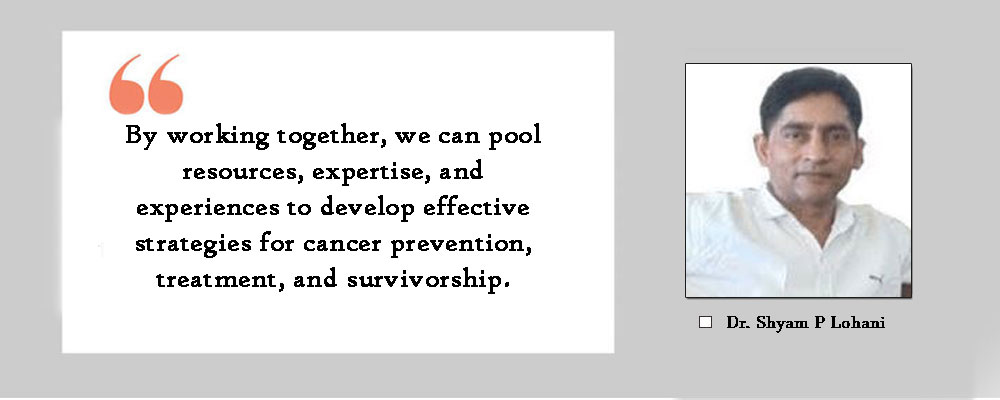
Cancer knows no borders, and neither should our fight against it. International collaboration and information sharing are vital to address the rising cancer incidence worldwide. Governments, healthcare organisations, and research institutions should establish platforms for sharing best practices, treatment protocols, and research findings. By working together, we can pool resources, expertise, and experiences to develop effective strategies for cancer prevention, treatment, and survivorship.
The increasing cancer incidence in Nepal demands immediate attention and action. By addressing the risk factors, improving awareness, strengthening healthcare infrastructure, and implementing comprehensive cancer control programmes, Nepal can effectively combat this growing public health crisis. The government, healthcare professionals, and the international community must work together to ensure that every Nepali citizen has access to timely diagnosis, quality treatment, and supportive care, ultimately reducing the burden of cancer in the country.
The rising incidence of cancer demands a collective effort from governments, healthcare organizations, researchers, and individuals worldwide. By prioritising prevention, strengthening healthcare infrastructure, investing in research, ensuring affordable treatment, and fostering global collaboration, we can make significant strides in reducing the burden of cancer. Let us unite in this fight, leaving no one behind, and strive for a future where cancer is no longer a global health crisis.
(Dr. Lohani is the executive director at the Health Concern, Nepal. lohanis@gmail.com)