- Thursday, 23 April 2026

Healing Quake Trauma

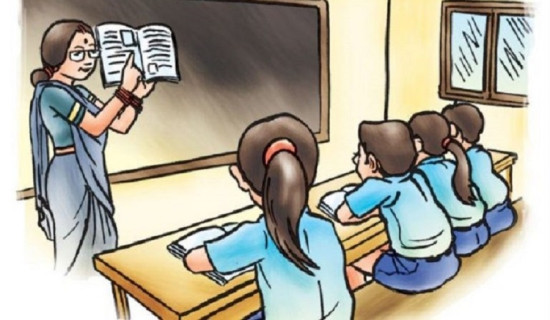
Catastrophic events like earthquake not only leave a trail of death and destruction, but also leave the survivors in unfathomable trauma. They disrupt lives and prevent the survivors from leading a happy and healthy life. This may explain why nearly all the surviving children in Jajarkot and Rukum West are too scared to go to school. This is a serious post-earthquake phenomenon. The schools in these districts reopened on Monday. But the traumatised students, fearful that the school building might collapse if next earthquake strikes, stayed outdoors. This psychological wound may be only the tip of the iceberg, signalling that the population similarly affected is too big. In the wake of a disaster, most of the time, physical damages get a lot of attention, while the psychological damages are largely overlooked. Such an unbalanced way to respond to a disaster cripples recovery efforts.
Without incorporating the mental health aspect, also the relief and rehabilitation efforts don't go far enough. The agony of the individuals who have endured the deepest losses need much more than the tangible relief. The damaged or destroyed buildings might be built back, but without effective psychological counselling and emotional support, the lingering trauma embedded in the psyche of the survivors can last for years, if not a lifetime. If left untreated, the grief and sadness caused by a shocking event can take a debilitating toll on mental health. To move past this situation and experience improvement in well-being, the survivors are in desperate need of psychosocial support. Such a support helps alleviate psychological wound and prevent them from taking chronic form or rearing its ugly heads again and again.
Psychological counselling plays a vital role in helping the survivors bounce back from the tragedy and rebuild their lives, providing much-needed boost to the overall recovery and confidence building effort. Mental health support enables them to cope with feelings of distress and fear, and lead to healing and resilience. When individuals are able to process and manage their emotions and stress, they can rise to the challenges. Long-term psychosocial support helps victims re-establish a sense of safety and security and regain control over their lives. Natural disasters upend life of entire communities. The counselling helps them to heal and build social connections. Establishing support groups to share experiences and emotions can make the victims feel that they are not alone in this adversity, fostering a sense of belonging and building resilience. This group counselling can go a long way to save the individuals from the long-term impacts.
More importantly, awareness campaigns should be conducted to deal with the stigma attached with mental health issues. Due to perceived hesitation surrounding mental health, many are unlikely to accurately report their deepest mental problems. The support programme should be able to successfully deal with such cases. The programmes can provide much-needed emotional support, help them process distress so that they don't stand in the road to recovery. The responsibility to ensure that the counselling is easily accessible to those in need largely rests on the shoulders of the government and aid organisations. Collaboration between government agencies, non-government organisations and mental health professionals are essential to make sure that the recovery response is effective.