- Tuesday, 2 June 2026

Otter conservation scheme launched in Karnali
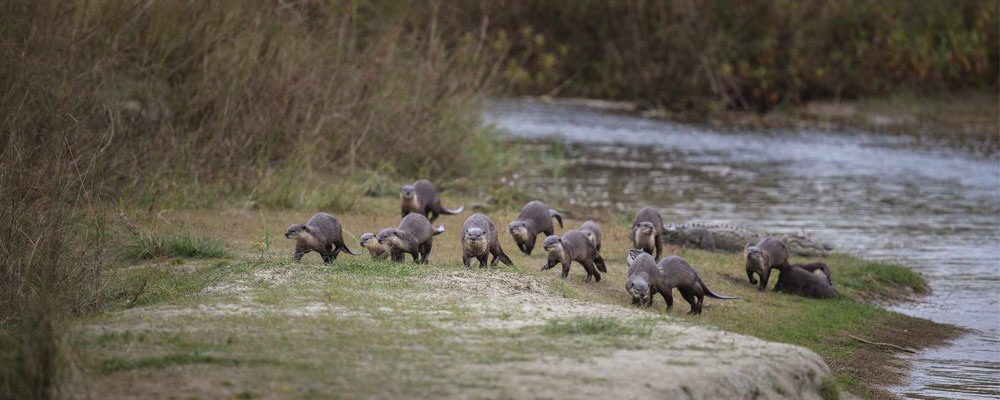

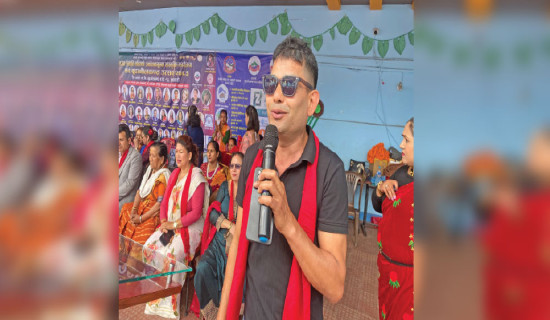
By A Staff Reporter,Kathmandu, July 6: A project “Strengthening Communities’ livelihood and stewardship to conserve otters in Karnali” funded by the UK government under the Darwin initiative has been launched in Tikapur, Kailali. Otter is a mammal with four legs and short brown fur that swims well and eats fish.
The Lower Karnali Watershed in Nepal's Terai Arc Landscape is home to indigenous river-dependent communities and diverse aquatic biodiversity.
According to a press statement issued by World Wildlife Fund (WWF), considering its significance, the Government of Nepal has prioritised the western channel of Karnali River as an ecological corridor and the eastern channel is included in the Bardiya National Park buffer zone.
The watershed provides a rich mosaic of habitats that includes rivers, riverine forests, floodplain grasslands and oxbow lakes which is suitable for a large number of fish species and provides habitat for many IUCN Red List species such as Gharial Crocodile (critically endangered), Mugger Crocodile (vulnerable), Gangetic River Dolphin (endangered) and Smooth-Coated Otter (vulnerable), read the statement.
However, illegal, and destructive fishing and habitat disturbance caused by river aggregate extraction have severely depleted fish populations, threatening the biodiversity as well as the traditional livelihoods of Tharu and Sonaha communities.
This project’s priority species, the Smooth-coated otters are a key indicator species for freshwater ecosystems and play a vital role in ecosystem balance as the top apex predator. They are sensitive to habitat destruction and water pollution and are currently listed as ‘vulnerable’ under the IUCN Red list, the statement read.
Being found in one of the world’s most human-dominated and economically poor landscape, their ecological requirements often conflict with human food and water security.
The project aims to improve the well-being of marginalised river-dependent households in the Lower Karnali Watershed, Western Nepal. It focuses on inclusive community-based river stretch co-management, livelihood diversification, and the conservation of otter habitats by addressing the challenges of intensive fishing practices, habitat destruction, and unsustainable river aggregate extraction.
The project also aims to secure viable populations of otters and enhance the livelihoods of indigenous Tharu and Sonaha communities. Furthermore, the project will work on institutional capacity strengthening of government agencies and creating enabling conditions for otter conservation.
The project is a collaboration between Nepal Government, WWF Nepal and local partners Sonaha Bikash Samaj (SBS), Freed Kamaiya Women Development Forum (FKWDF), Dolphin Conservation Center (DCC), Small Mammals Conservation and Research Foundation (SMCRF).
“I believe this project will enhance the resilience of river-dependent households, and increase conservation stewardship leading to safeguarding Otter and other freshwater biodiversity in Karnali River,” said Rajesh Sada, Head of the Freshwater Programme, WWF Nepal.