- Thursday, 28 May 2026

Protecting People From Cold Spell

The winter season brings a rainbow of festivals and holidays throughout the world. The season gives us the opportunity to meet, greet and enjoy as a family, community, and nation. While celebrating festivals and the season itself, we must stay safe in order to remain healthy even in cold temperatures.
Along with winter’s warm sweaters, steaming cups of tea/coffee, and beautiful snow-covered scenes significantly lower temperatures. For many people, staying safe and warm through the winter months can be a challenge. Negligence may even result in a serious, life-threatening health problem due to prolonged exposure to the cold, known as hypothermia.
Body temperature
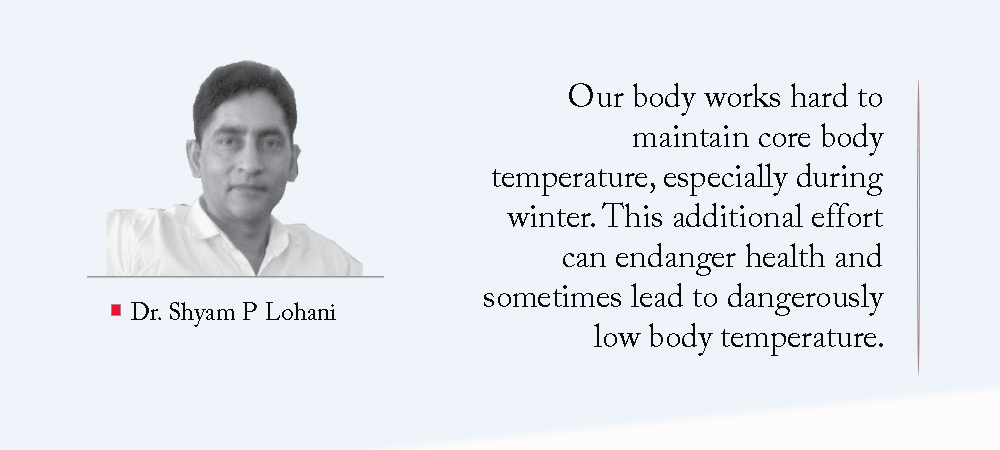
Our body works hard to maintain core body temperature, especially during winter. This additional effort can endanger health and sometimes lead to dangerously low body temperature. Therefore, it is important to carry out appropriate steps to maintain body temperature in order to safeguard our health.
The normal body temperature averages 98.6 degrees. Hypothermia is said to have occurred when body temperature falls below 95°F (35°C). This happens when a person experiences cold temperatures for a prolonged period. In severe hypothermia, core body temperature can even drop to 82°F or lower.
When exposed to cold temperatures for a longer period, whether indoors or outside, our body starts losing heat faster than it is produced. The prolonged exposure to cold temperatures will eventually use up stored energy in our body and result in a lower-than-normal core body temperature. Hypothermia can cause a heart attack, liver damage, kidney failure, or death if left untreated.
During exposure to cold temperatures, most heat loss occurs through the skin i.e. up to 90 per cent, and the rest from the lungs. Heat loss through the skin happens primarily through radiation and the rate of loss increases when skin is exposed to wind or moisture.
The temperature control centre of our body is the hypothalamus which triggers the mechanism that helps our body maintains normal body temperature even in extreme temperatures. Our body initiates a process called shivering that produces heat through muscle activity as we are exposed to cold temperatures. Another heat-preserving response is vasoconstriction which narrows blood vessels.
The responsible organs that produce most of the body heat are the heart and liver. Both organs shut down most of the activities to preserve heat and protect our brains in cold temperatures. The brain activity, breathing, and heart rate slowdown in response to low body temperature. Therefore, the confusion and fatigue resulting from hypothermia hamper our ability to understand what is happening and initiate smart action for safety.
Everyone is at risk of hypothermia, however, older adults with inadequate food, clothing, or heating, babies sleeping in cold bedrooms, people with mental illness and people having dementia, people living in poorly insulated homes, in homes without power, and people having asthma are more susceptible to cold temperatures and may succumb to hypothermia. People who remain outdoors for long periods especially the homeless and people who drink alcohol or use illicit drugs are also at risk of hypothermia.
The warning signs of hypothermia among adults are shivering, exhaustion or feeling very tired, confusion, fumbling hands, memory loss, slurred speech, and drowsiness. Babies show symptoms such as bright red, cold skin, and very low energy. It is important to take the person’s temperature if any of those signs are seen. If the temperature is below 95 degrees, the situation is an emergency and medical attention should be sought immediately. Until medical care is available, first aid measures should be carried out to prevent further heat loss. The first aid measures include first moving the victim into a warm place as soon as possible and removing wet clothes. It is vital to cover the person with blankets or towels. For children and infants, skin-to-skin contact helps increase body temperature. Have the person drink warm liquids if he/she is conscious.
The first and most important step to protect ourselves from hypothermia is to avoid prolonged exposure to cold weather. Maintaining adequate hydration by drinking lots of fluids is essential. People often think alcohol increases body temperature but it is usually the opposite. Alcohol lowers our core body temperature so it is better to drink lots of water and some nice warm soups instead.
Use of warms cloths
It is recommended to wear several layers of loose-fitting clothes that are lightweight and warm rather than one layer of heavy clothing. The outer cloths preferably are tightly woven and of water-repellent properties. Wearing clothes that are too tight makes us colder than clothes that are not as loose clothes trap body heat and help maintain body temperature. Our skin losses most of the heat, therefore, it is important to cover the head, ears, hands, mouth, feet, and of course chest by wearing scarves, facemasks, earmuffs, vests, and gloves.
During the cold season, moving around heats up our body a bit as standing still will only make us feel colder. Therefore, move more slowly than fast which may exhaust our bodies and increase our chances of getting hypothermia. In such conditions, it is recommended to go inside the home as soon as possible.
Besides hot soups and drinks, there are also some foods that can help warm our bodies in the winter such as turmeric, ginger, honey, cinnamon, sesame, dry fruits, saffron, pepper, and eggs. Let us enjoy this winter season by keeping ourselves warm with activities that maintain our core body temperature normal.
(Dr. Lohani is the clinical director at the Nepal Drug and Poison Information Centre. lohanis@gmail.com)