- Friday, 10 April 2026

NYC revises YFLG Guideline, capacity building held for selected seven local levels
By TRN Online, Kathmandu, Aug. 17: National Youth Council
(NYC) has revised the Youth Friendly Local Governance (YFLG).
This year, NYC jointly with Jagriti Child and Youth Concern
Nepal (Jcycn), and support of UNICEF and UNDP revised the YFLG Guideline, 2075
through virtual engagement of more than 180 stakeholders and youth of various
backgrounds, read a press statement issued by the NYC issued today.
According to the NYC statement capacity building training was
imparted to representatives of the selected seven local levels where the pilot
projects of the YFLG will be implemented.
Full text of the press statement:
Nepal recognizes citizens between the age group of 16 to 40 years as youth. Realizing the need for positive and creative contribution of the youth in the overall development and progress of the nation, Nepal has established foundation for youth rights through various National and International commitments and legal provisions like Sustainable Development Goals (2016 (2030), Constitution of Nepal, 2015, Fifteenth Plan, National Youth Policy 2072, National Youth Council Act 2072, National Youth Council Regulations 2073, Youth Vision 2025 , Ten-Year Strategic Plan, etc. and so on.
The government of Nepal National Youth Council (NYC) has
initiated Youth Friendly Local Governance (YFLG) campaign to ensure the
effective implementation of these provisions for the establishment of youth
rights in the country.
YFLG is a strategic framework that incorporates the concerns
of youths in the local governance system to operate with the active
participation, involvement and cooperation of the youth.
It is highly essential to promote YFLG concept for
implementing the responsibilities and rights given to the local government by
the Local Government Operation Act, 2074, the five pillars of the Youth Vision,
2025 and Ten-year strategic plan namely; quality and vocational education,
employment, entrepreneurship and skill development, health and social protection,
youth mobilization and participation, and leadership development and sports and
entertainment.
This year, NYC jointly with Jagriti Child and Youth Concern
Nepal (Jcycn), and support of UNICEF and UNDP revised the YFLG Guideline, 2075
through virtual engagement of more than 180 stakeholders and youth of various
backgrounds.
The revised YFLG guideline provisions 7 strategies, 46 approaches,
45 indicators and 4 steps for adoption, implementation and declaration of YFLG
at local level.
They can be localized as per local need, importance and
demand. In addition, a YFLG training Manual was prepared with the engagement of
more than 200 youth and stakeholders for kicking off YFLG pilot program in the
country.
Seven Local Governments were selected for the implementation
of YFLG pilot project including Rautamai Rural Municipality, Udayapur (Province
no. 1), Kanchanrup Municipality, Saptari (Madhesh province), Madi Municipality,
Chitwan (Bagmati province), Kawasoti Municipality, Nawalpur(Gandaki province), Tilottama
Municipality, Rupandehi (Lumbini Province), Mahabu Rural Municipality, Dailekh(Karnali
province) and Dashrathchand Municipality (Baitadi).
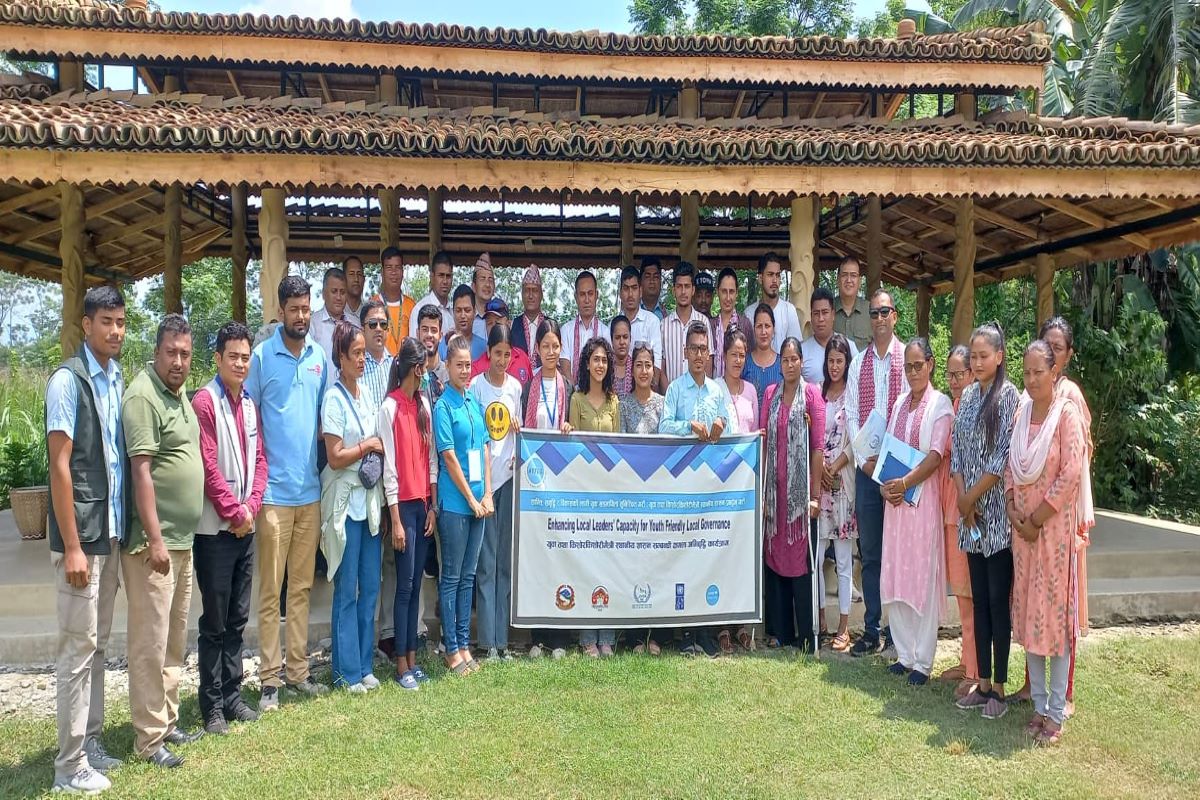
Three days capacity building program was conducted in these
selected local governments reaching more than 300 stakeholders including Mayor,
Deputy Mayor, Chief Administrative Officers, section officers, youths from
private sectors, conflict affected youths, Sexual and Gender Minority youths,
youths with disabilities, farmers, and so on.
These pilot trainings have kindled YFLG momentum in the
selected areas, and the stakeholders have provided complete ownership and
commitment to contribute for the promotion of YFLG program realizing the
contemporary need of YFLG intervention in the local governments. A support
committee was formed for the continuation of YFLG campaign, and commitment
letter was signed by the participants at the end of each of these trainings. Specific
workplan has also been prepared at all selected seven Local Governments for the
further intervention on YFLG agenda. Representatives of National Youth Council
including Mr. Ramakanta Sharma (Administrative Chief), Chanda Thapa (Under
Secretary) and Rajkumari Khatri (Officer) participated in pilot trainings at
various local governments. Bishnu Khatri, YFLG expert, Ms. Meena Sharma, GESI
expert and Dipesh Ghimire, Associate Professor facilitated the trainings at
various provinces.
Binita Karki from UNDP and Machiko Katigawa from UNICEF
provided technical support for ensuring quality and timely intervention.
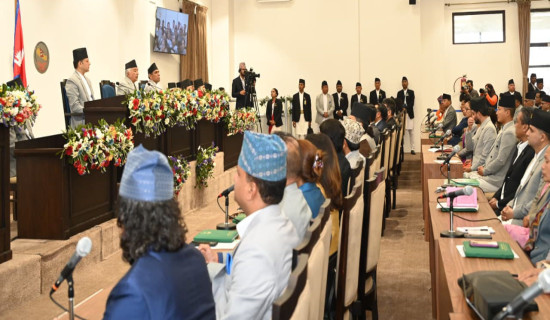
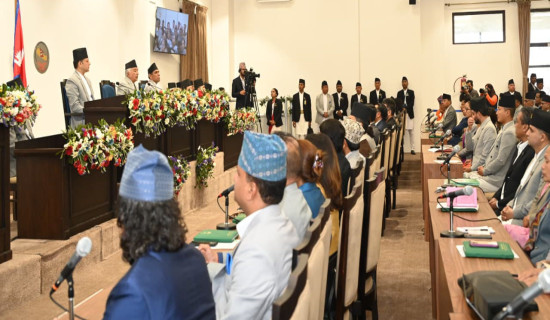
Speaking at the review, reflection and way forward of the
YFLG pilot program conducted on 11 August 2022 commemorating the International
Youth Day, 2022, the Vice-Chair of National Youth Council Mr. Surendra Basnet said
that YFLG is highly relevant in today’s context for ensuring the meaningful
engagement of youth in the policy making process. Stating that the current effort is inadequate
for real change, he stressed on the need of additional contribution and expressed
commitment for continuous promotion of YFLG campaign. Similarly, UNDP Resident
Representative, Ayshanie Labe emphasized the need to promote youth-friendly local
governance by strengthening behavior, intergenerational solidarity, unity and
interaction and expressed commitment for promotion of YFLG on behalf of UNDP.
Usha Mishra, deputy representative of UNICEF, said that large
investment in youth and children at the present time is essential to balance
the increased number of senior citizens in the near future. Mr. Tilottam Paudel, president of Jcycn and
executive member of NYC said that as the lead implementer of YFLG campaign on
behalf of CSOs, Jcycn is committed to seek further resource and continue the
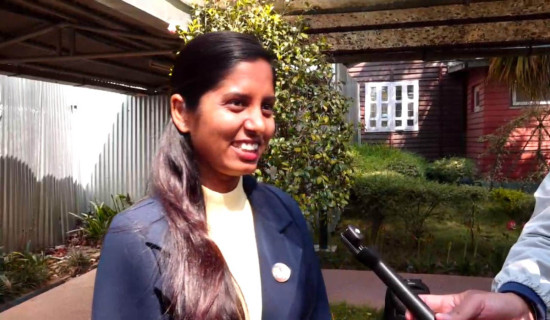
YFLG campaign as a sustainable approach to ensuring youth’s rights. Speaking on behalf of the participants of YFLG
pilot training, Ms. Rejina Gharti Magar stressed the importance of continuation
of YFLG campaign in the country with the leadership and ownership of youth. The
team leader of YFLG pilot campaign, Sumikshya Khadka stressed on enhancing competence,
increasing creative interventions and ensuring meaningful participation for
sustainable adoption of YFLG framework.
With the kick off of YFLG campaign against various burning
issues hindering the effective development, platform and opportunities for
youth, we can hope that the campaign will continue with the engagement and
ownership of all the relevant stakeholders, especially youth.
-original-thumb.jpg)