- Saturday, 11 April 2026

Short-term rate hikes of T-bills cues borrowers to have tough days ahead

By Ajay Chhetri,
Kathmandu, July 31: Quick surges in the bidding rates of the Treasury Bills (T-bills)
and the Repo auction have cued headwinds for the borrowers in the forthcoming
weeks.
The discounting rates for
the bid of the 28-day T-bills, the Nepal Rastra Bank (NRB) auctioned to renew
on July 19, 2022, sharply fluctuated in the range of 10.34 -7.05 per cent. This
is a wide fluctuation in comparison to 0.27- 0.14 per cent recorded in mid-July 2021.
The discounting rates for
the bid of the 91-Days' T-bills fluctuated in the range of 9.98-7.19 per cent in
the renewal auctioned on 19 July 2022. The rates fluctuated around 1.44 per
cent in mid-July 2021. These exorbitant jumps in the discounting rates have
been indicating that the cost of short-term borrowing of T-Bills is going to be dearer
for the government.
The 7-day repo rates auctioned
on July 28, 2022, fluctuated in the range of 8.55-8.20 per cent breaching the policy
rate of 7 per cent. The rates had remained much lower at the range of 4.9-4.6 in
September 2021. The repo rate hikes could lift the cost of funds for the bank
and financial institutions (BFIs) which eventually might feed into the cost of
the loanable fund for the private sector.
Meanwhile, the hikes in the
T-bills and repo rates are primarily driven by the relentless drop of the
quantum of liquidity in the BFIs and ensuing elevation in the interbank
interest rate.
The excess liquidity dried
down to floating around Rs 10 billion this July after steeply dropping from around
Rs 125 billion recorded in mid-July 2021. The desperation exuded from the quick
drop in the liquidity uplifted the interbank interest rate to 8.5 per cent up by
the end of July 2022 from 3.21 per cent read in mid-June 2021. Now, the interbank
interest rate and bank rate are running parallel at a rate of 8.5 per cent.
These rate hikes triggered
by the shortage of liquidity could withdraw the preexisting leverage in
investment which ultimately could discourage the mobilization of the additional
loanable funds.
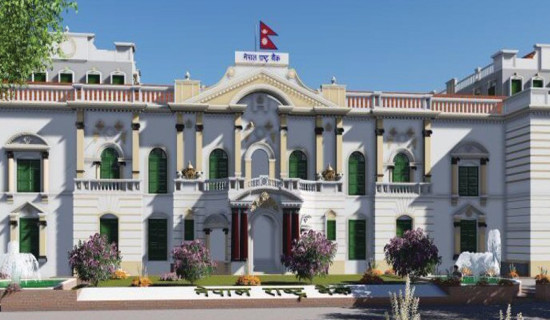
So, the NRB quickly moved
to inject Rs. 30 billion through a repo auction on July 2 to extinguish the
sparkling rates hikes and to anchor the short-term rates within the limit of the interest
rate corridor (IRC).
Meanwhile, the borrowers could
face headwinds to mobilize additional investment for a longer prospective as the igniting
rates might not quell down easily. The central bank seems to head for trading
off growth to reign in runaway inflation. The longer the inflation stays
elevated, NRB is unlikely to ease monetary policy any time soon.
According to the deputy spokesperson
of NRB, Narayan Prasad Pokhrel, a situation of tight liquidity in the market
has triggered the interest rates. He said that to keep the interest rate of borrowing of
BFIs at the range of policy rate, the NRB injected Rs 30 billion through repo
auction.