- Saturday, 11 April 2026

Need To Ensure Vaccine Equity
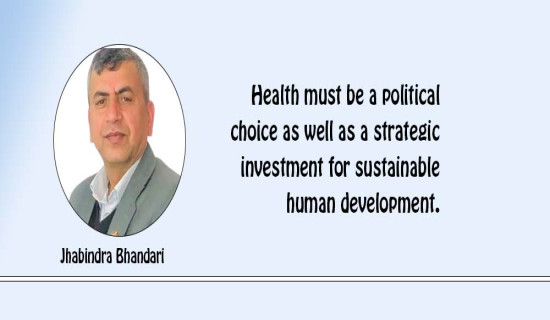
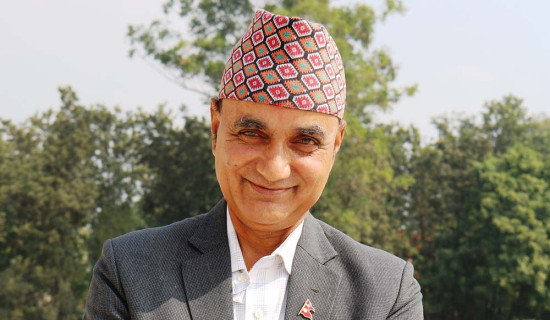
 Jhabindra Bhandari
Jhabindra Bhandari
Jhabindra Bhandari
The COVID-19 pandemic is far from over. This will only end when everyone across the globe is protected. Thinking of a world without COVID-19 will not be possible until everyone has equal access to the vaccines. Therefore, vaccine equity is an emerging priority for many developing countries to ensure that that all people, wherever they are, should have equal access to the vaccines which offer protection against the COVID-19 infection.
Understandably, there are not enough vaccines in the world. In this context, vaccine inequality generally means that rich countries have been able to vaccinate their entire populations several times over, while poorer countries are still struggling to reach the ambitious target of vaccination coverage. As a result, an unequal distribution of vaccines will deepen inequality and exaggerate the gap between rich and poor and will reverse the progress on sustainable human development.
Backslide
The evidences suggest that COVID-19 pandemic fuels largest continued backslide in vaccinations in three decades. According to WHO and UNICEF, new data shows global vaccination coverage continued to decline in 2021, with 25 million infants missing out on life-saving vaccines. The decline was due to many factors such as increased misinformation and COVID-19 related issues, service and supply chain disruptions and many others. Undoubtedly, the COVID-19 vaccine inequity will have a lasting and profound impact on socio-economic development in low- and lower-middle income countries. Such a widening inequity is increasingly considered as a key development challenge in terms of its adverse socio-economic and epidemiological impacts on human health and well-being.
Despite significant progress, many people have insufficient access to the vaccines. Making life-saving vaccines available to all is easier said than done. The first and foremost priorities for developing countries are to vaccinate their at-risk populations to reduce morbidity and mortality and protect the health systems. The persistent social, economic, cultural, psychological and political barriers are hindering the access to the vaccines for those who are poor, marginalised and vulnerable in the communities.
According to WHO, the South East Asia Region has crossed three billion doses of COVID-19 vaccines administered as of now so far. More importantly, Nepal has also reached the target of vaccinating 70 per cent of its total population with all primary doses of the COVID-19 vaccines. “This momentum must be continued to expand the vaccination coverage and focus must be now on reaching the unreached.” says Dr. Rajesh Sambhajirao Pandav, WHO Representative to Nepal.
At sub-national level, public awareness and capacity building of health facilities have been effective to reach out the poor, marginalised and vulnerable populations and ensure their access to the vaccines in the communities. The role of female community health volunteers is instrumental in educating and empowering the mothers about the importance of life-saving vaccines and their availability and accessibility in the communities.
Undoubtedly, there are remote communities who are still left behind for the vaccines. “Despite limited human resources, we have been able to reach out the poor, socially excluded and vulnerable populations for the vaccination. The overarching challenge is the vaccine delivery on time. But we need extra efforts to reach the ambitious target of vaccination coverage in our area,” says Bimala Pulami, Chief of Bungkot Health Post in Gorkha district.
However, there are still critical needs of pro-equity, gender sensitive, tailored strategies to encourage vaccine uptake and maintain the public trust in vaccines. In Nepal, Ministry of Health and Population (MoHP) with the technical support from WHO and other partners has broadly focused its strategy to strengthen resilient health systems for reducing vaccine hesitancy and increasing demand for COVID-19 vaccine through risk communication and community engagement.
The risk communication approach importantly addresses the sociological, cultural, psychological, political and environmental factors that greatly influence the vaccine decision making process in the families and communities. Therefore, coordination and partnership with a range of stakeholders is necessary to drive increased demands with particular focus on migrants, internally displaced communities, older adults, persons with co-morbidities and other vulnerable populations. In addition, there is an increasing need for complete, real-time, granular, and precise data to monitor the vaccination coverage at all levels. The role of civil society organisations and their networks is instrumental in advocating the critical challenges and opportunities of ensuring vaccine equity at national and sub-national levels.
Critical challenges
In many developing countries, there has been an unprecedented strain in health care systems due to the pandemic. Unfortunately, health systems are chronically underfunded in those countries. The limited human resources, poor health infrastructure, weak supply chain and logistics system, and mounting pressure on health workers to timely respond the pandemic were critical challenges faced during the COVID-19 pandemic. Across many countries, data suggests that there are profound disruptions of essential health services in the health facilities.
In the countries with low COVID-19 vaccination coverage, there are emerging needs to implement evidence-based and tailored strategies to increase vaccine uptake by countering misinformation particularly among poor and vulnerable communities. Strong political leadership and commitment is necessary to mobilise domestic resources for strengthening resilient health systems to reach the ambitious targets of vaccination coverage. To sum up, the COVID-19 pandemic has reminded the world of the power of vaccines to fight disease, save lives, and create a healthier, safer, and more prosperous future. Moving forward, resilient health systems is a crucial priority to ensure that people everywhere are protected against COVID-19 and other diseases.
(PhD in global health, Bhandari writes on health and development issues)