- Sunday, 12 April 2026

Save agriculture from climate crises

Kathmandu, July 21: "At a time when the farmers in Tarai/Madhes, which is also called the granary of Nepal, are ready for paddy plantation, the scant rainfall has afflicted them much. So far, the paddy is planted only in 57 per cent of arable land in Madhes Province."
It was a news story under the title
'Scant rainfall frets farmers in Madhes', which the Rashtriya Samachar Samiti (RSS)
disseminated on July 19. It was reported from Janakpurdham.
The news further said- It is time
almost all districts in the province got over with the paddy plantation. The
farmers in Madhes shared the plight that the rainfall did not occur for more
than two weeks, resulting in scorching heat and the rice seedling getting
wilted.
Not only in Tarai/Madhes but also
the farmers in some parts of the hilly region are desperately waiting for the
rainfall for paddy plantation. One after another, the farmers are facing
several problems relating to cultivation for a long. As in the previous
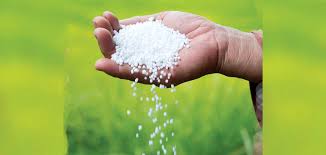
years, the stories of acute shortage of chemical fertilizers in different parts
of the country hit the national media this time too.
In the meeting of the federal
parliaments, the lawmakers raised voices and concern over it, but many farmers
had to conduct paddy plantations without the essentials. To the sheer failure of
the government to ensure a smooth supply of chemical fertilizers on time, the
farmers in the Dhading district had seized the consignment- packs of fertilizer
while it was being ferried.
Nearly 400 farmers waited for the trucks on the road, and as they arrived, they took the vehicles under control and took away the fertilizers. It was a broad daylight incident that occurred in the second week of last month.
Needless to say, agriculture
contributes hugely to the country's GDP, and among the products, rice is the
staple. But, problems ranging from a shortage of chemical fertilizers to improved seeds, and tools are always the news. Similarly, the farmers are in
desperate need of up-skilling in agriculture to modernize it. Lack of market
and failure to attract educated youths to agriculture equally draw the
attention.
Most worrying at present is the
climate crisis, as the experts have argued, to render an adverse impact on Nepal's
agriculture. The absence of rainfall in Madhes Province for two weeks and the downpour
in other parts are related to climate change.
When asked why the rainfall did not
occur in the time it used to, climate change and watershed expert Madhukar
Upadhya responded, "It is because of the changed pattern of rainfall which
however has occurred for some years in Nepal. The rainfall is concentrated
somewhere while it is scant and almost absent in other places. It is climate
change effect."
With the change in rainfall
patterns, there are localized rainfalls. There are untimely, unseasonal
rainfalls- scant and cloudburst- all of these are related to extreme climate
events resulting in huge loss. Last year, the paddy cut down and laid in the
field to dry up for harvest in the western belt of Nepal was damaged due to
unseasonal rainfall.
Expert Upadhya expressed worry about why
the law and policymakers egregiously ignored agriculture in terms of dealing
with the climate crisis. He reminds, "Agriculture sector was ignored by the
government for long though it was/is the hardest hit area due to climate
change.
" He even reminded us that the Environment Ministry was the sole government agency to look after the climate change issues till recent years. "I was astonished to know that the officials in the Agriculture Ministry were not involved in the climate change adaptation process including the voices raised in the international forum like COP till some years back," he observed.
In his observation, the government
had to intervene in the very beginning to save agriculture. "Although
there is no immediate solution to this crisis, the three tiers of government
must be equipped with knowledge and skills on time to mitigate the impacts.
Capacity building of local levels is imperative," he underscored.
Once the government documents
relating to climate change and its adversity are observed, agriculture is
included and given priority at present. At the same time, the dearth of the financial
and technical capacities of Nepal to deal with the climate crisis is mentioned and
assistance is expected from the international community.
But, climate change has already
been a global phenomenon. Even the developed countries are now undergoing tremendous crises. It is reported that Europe has lost more than 1,000 lives
due to heat waves and fire. On July 18, CNN tweeted: 'One of the UK's
largest airports has suspended flights amid reports of "melting"
runways, as temperatures soared up to about 99 degrees Fahrenheit (37 degrees
Celsius) in some parts of the country.'
As Nepal is suffering from the melting
snow in its Himalayas for more than a decade, the UK is now suffering from the
melting runways/airport. The rise in temperature has resulted in such a crisis.
Irrespective of the geographic variation and national strength, the callous
treatment of climate change is upon the entire humanity.
Coming to the issues of agriculture
in our country again, farming is Nepalis' major occupation. Nepal is still
called an agricultural country though the contribution of agriculture to GDP is
reducing gradually. And, once the production of rice, a major staple in the
country, is badly affected by the climate crisis, it is high time all
stakeholders including policymakers and entire people became aware on time and
mitigate the impacts.
Nepal used to export rice as recently as two and half decades back, but it is being imported now. Although productivity is said to be increasing in Nepal, the production of rice is declining.
The case of the dearth of rainfall
in Madhes for more than two weeks is a case in point. But, such warnings were
already there in the country- whether it was the Melamchi floods or rains
occurring in the upper belt of Manang and Mustang area last year.
Why we failed to equip farmers with the knowledge and skills to adapt to this crisis is a serious question. Expert Upadhya adds, "Issues of climate change were concentrated more on the melting of snow for long in Nepal, while agriculture in the hills and southern plains got the attention too late."
Undoubtedly, ignorance of
agriculture would cost a lot in Nepal. Food security will loom large in the
immediate future. So, we have no option but to save agriculture from the climate
crisis. (RSS)
-square-thumb.jpg)



-original-thumb.jpg)

-original-thumb.jpg)