- Thursday, 28 May 2026

On Transitional Justice


Nepal’s delayed transitional justice process is now heading towards a right direction at the initiative of the coalition government. As the Ministry of Law, Justice and Parliamentary Affairs has swung into action to conclude the process, the conflict victims have become optimistic that they will soon get justice and learn about the fate of their loved ones who were forcefully disappeared or killed during the decade-long Maoist insurgency. Providing justice to the conflict victims is one of the major objectives of the Comprehensive Peace Agreement (CPA) signed between the then government and CPN-Maoist in November 2006. It has envisioned creating the Truth and Reconciliation Commission and the Commission for Investigation on Enforced Disappearance as part of resolving conflict based on humanitarian law and human rights principles. As per the CPA, the perpetrators of abuse would be punished, victims granted justice and society would be taken toward the path of progress through a stable democracy. With truth coming to light, people concerned would be able to live in reconciliation and peace.
The country witnessed transformative political changes since the signing of the CPA but the state’s efforts to solve the residues of conflict through credible legal process hit the roadblocks owing to the dispute among the concerned stakeholders. The two commissions were formed only in 2014, eight years after the signing of the CPA. Then the victims and the concerned stakeholders took exception to the appointment of commissioners and moved the Supreme Court, demanding that they be included in the entire justice delivery process. In its 2015 landmark verdict, the apex court scrapped the amnesty-related provisions of the Enforced Disappearances Enquiry, Truth and Reconciliation Commission Act-2014. Its ruling barred those involved in the cases of serious human rights violation from getting amnesty and asked the government to revise the transitional justice law.
This demonstrated that granting justice and disclosing the truth about the cases of human rights violation, killings and disappearances is not easy as it required the consensus of victims, political parties, judiciary, government and international rights agencies. According to a news report of this daily, the Truth and Reconciliation Commission received 64,000 complaints and Disappearance Commission about 3,000 cases. Some victims filed individual cases in different courts, including the SC. The courts also slapped punishment on those involved in the crimes occurred during the insurgency. The victims have rejected the government’s proposal to set up an open jail for the symbolic punishment even for serious crimes. They have demanded that perpetrators be punished as per their crimes and independent bodies created to criminalise their offences.
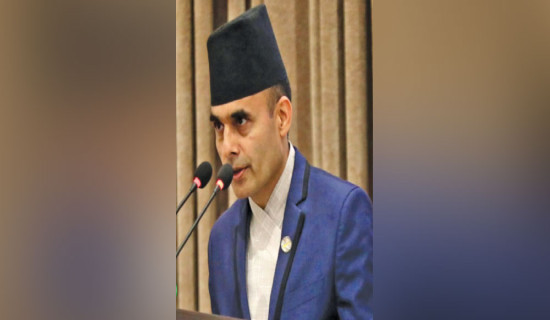
The government has agreed for providing health, education and employment opportunities to the victims while recognising their kin’s contribution to the nation's political changes. After years of deadlock, the ministry held consultations with the victims and stakeholders in all seven provinces to amend the Commission for Investigation, Verification, and Reconciliation of Disappeared Persons Act, 2071. It is set to table an amendment bill, drafted as per the SC verdict and suggestions of the victims, in the parliament in mid-July and is expected to get approved from the ongoing session of the House. Minister for Law, Justice and Parliamentary Affairs Govinda Prasad Sharma Koirala said that his office initiated to convince politicians, victims and civil society to come to a middle ground for resolving all the issues related to the transitional justice. As the international community has hailed Nepal’s peace process as unique, there should not be further delay in giving logical conclusion to the transitional justice process.