- Saturday, 9 May 2026


The Rising Nepal
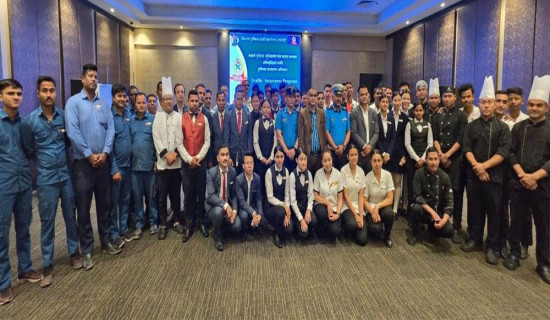
‘Govt efforts alone insufficient to control drug abuse’
Home Minister for Lumbini Province Santosh Kumar Pandey has said that collective efforts are needed to control drug abuse. Minister Pandey said that everyone's role and cooperation were important for the reduction of drug addiction and its complete control.

SL sweeps B'desh Test series
Lahiru Kumara finished with 4-50 to help Sri Lanka thump Bangladesh by 192 runs in the second Test and sweep the two-match series 2-0 on Wednesday. The fast bowler dismissed last man Khaled Ahmed to wrap up a one-sided contest before lunch on the fifth day in Chittagong. Hosts Bangladesh, chasing a mammoth 511 in their second innings, added just 50 after resuming on 268-7.
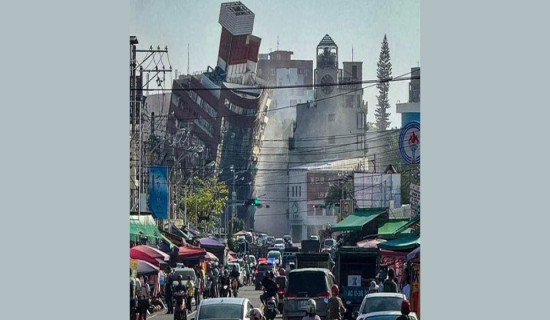
9 dead, 800 injured in 7.3-magnitude earthquake in China's Taiwan
As of 4:30 p.m., the death toll in a 7.3-magnitude quake in China's Taiwan on Wednesday morning had risen to nine, according to the local emergency operation centre. Data from the center showed that about 821 people were injured following the earthquake that hit the sea area near Hualien County, Taiwan.
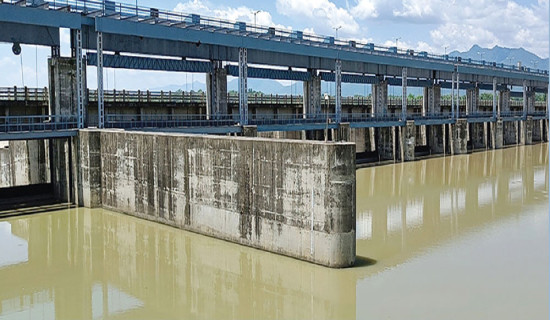
Insufficient budget affects Sikta Irrigation Project
The construction work of Sikta Irrigation Project, a national pride project, in Banke has been affected due to lack of budget. Devraj Niraula, director of the project, said that the project was not likely to be completed on time since only Rs. 750 million was allocated in the Fiscal Year 2023/24 for the project.
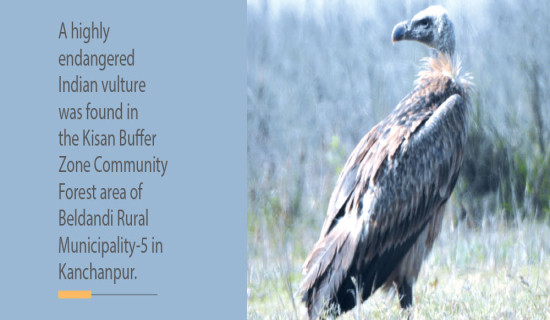
Endangered Indian vulture sighted in Dhangadhi
The Indian vulture, popularly known as ‘lamo thude giddha,’ has been sighted for the first time in western Nepal. A highly endangered Indian vulture was found in the Kisan Buffer Zone Community Forest area of Beldandi Rural Municipality-5 in Kanchanpur. The vulture was sighted by a team consisting of Hiru Lal Dangaura, Mahan

Historic moves taken to protect rights of poor: PM Prachanda
Prime Minister Pushpa Kamal Dahal ‘Prachanda’ has said that the government has taken a historic initiative to protect the rights of workers employed abroad and in the country and to end loan shark problem remaining as a relic of feudal exploitation among the poor citizens.
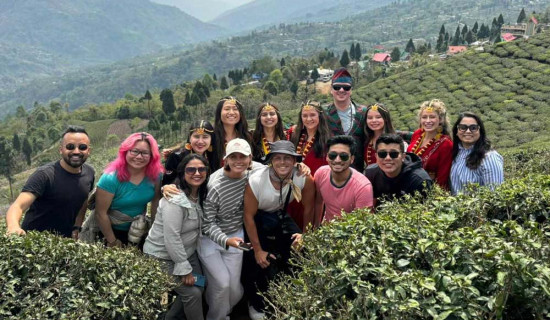
Nepal's luxury tours target US, European markets
A stellar influencer marketing campaign has been initiated to spotlight Nepal's upscale tourist spots targeting the American and European tourism markets. This campaign involves exploring various high-end tourist destinations in Nepal through influencers from different countries.
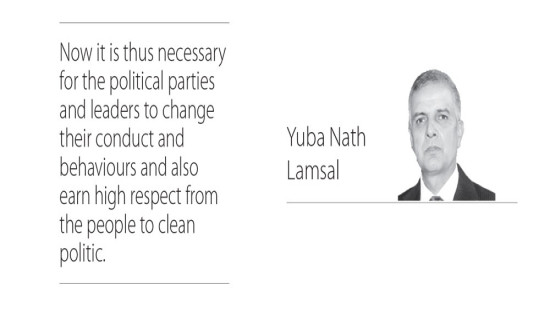
Politics Is Virtuous Sphere
Politics is a virtuous vocation supposed to be dedicated towards the greater good of the citizenry. However, politics, of late, is getting bad name in the eyes of people. Politics has lately emerged as an instrument for personal and partisan ben
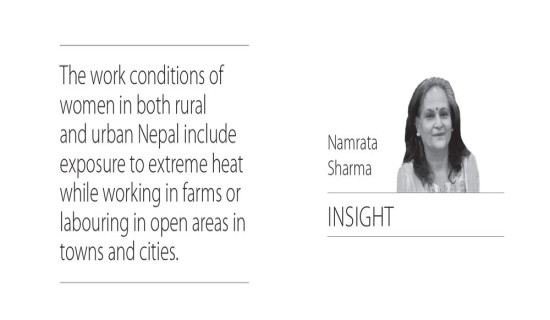
Climate Change Hits Pregnant Women
One of the adverse impacts of climate change on earth is the increase in heat. According to an article Climate Change: Global Temperature by Rebecca Lindsey and Luann Dahlman, there has been an increase of about one degrees Celsius in the g
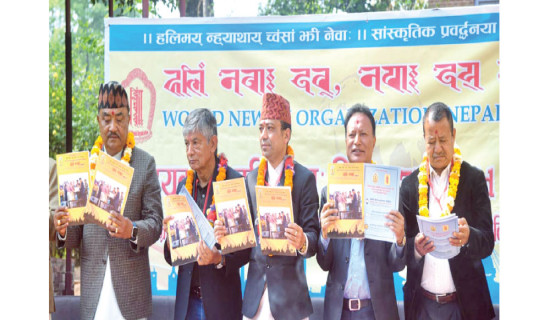
World Newa Day marked
World Newa Organization, Nepal Chapter has honored Newari people who have made significant contributions in their respective fields to mark the World Newa Day. Senior artist Madan Krishna Shrestha honored linguist Raja Shakya, writer Subarna Shakya, painter Kiran Manandhar, and bodybuilder Maheswor Maharjan during a program recently held in Lalitpur. Additionally, former Minister Dhurba Bahadur Pradhan, historian Yogendraman Shrestha, Dr. Pukar Chandra Shrestha, Susan Karmacharya, and Ajay Sthapit were also felicitated.
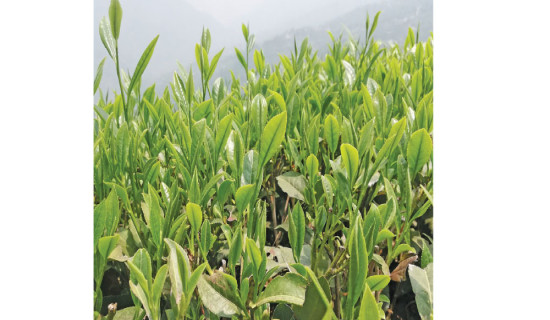
Farmers in Ilam begin to pluck tea leaves
The work of plucking tea has started in Ilam, which is the hub tea production. Farmers and industrialists take the tea of the first stage, which is considered to be of the highest quality among the year-round products, with special importance.
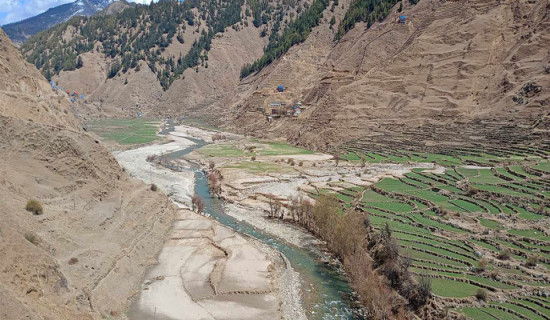
Jumla farmers worry as damaged canals remain unrepaired
The month of April marks the period for preparing fields to grow paddy seedlings in Jumla. Currently, it is the time to grow seedlings of popular Marsi paddy in the district. While most farmers in the district sowed their seeds on April 2, Rughubina Shahi, a farmer from Ward No. 1 in Hima Rural Municipality of Jumla, expressed his inability to sow seeds in his paddy field as the canal to his farm was washed away by a flood last year.
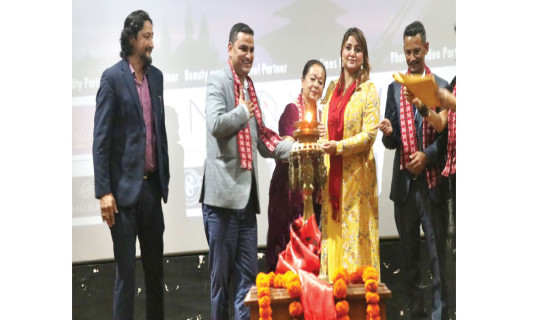
5th Nepal Cultural International Film Festival concludes
The 5th Nepal Cultural International Film Festival (NCIFF) concluded on March 31, presenting awards to ‘Chiso Manchhe’ for the Best National Feature Film, ‘Ghurra’ for the Best National Short Film, and ‘Gurkha Girl’ for the Best National Women’s Film.
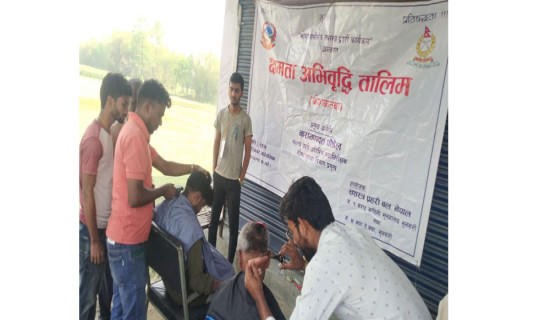
APF provides hairdressing training for Sunsari locals
The Armed Police Force (APF) Nepal has begun a 15-day free hairdressing training for 20 youths living in the villages bordering Nepal and India. The APF has begun the training under APF with the border people programme in Harinagar Rural Municipality in Sunsari district.
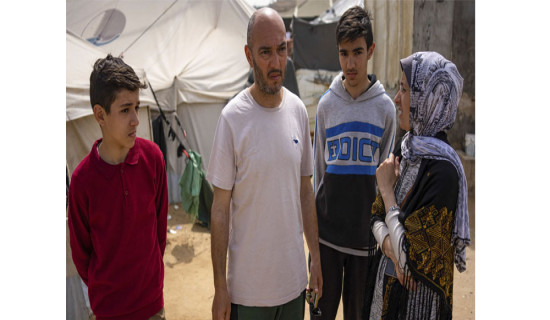
Forced from home, family makes walk across war zone
It wasn’t lack of food that pushed Heba al-Haddad and her family to leave their home in Gaza City. They had a source of clean water and could live off boiled peas. It wasn’t the incessant shelling. They felt the stairways would protect them even in a direct hit on their building.