- Tuesday, 19 May 2026

Govt pulls plug on betting platforms; 200 apps shut


Kathmandu, Mar. 31: In a strong and decisive regulatory move, the government has ordered complete shutdown of all betting apps and related websites operating in the country.
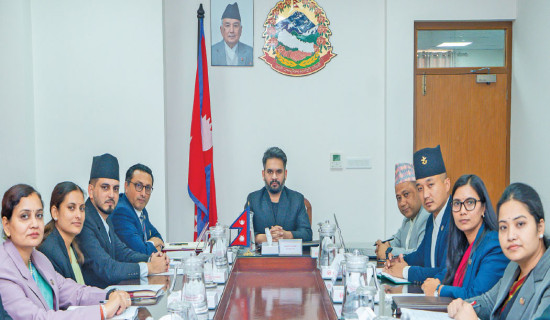
The action, to be implemented within just 24 hours, comes under the 100-point “Governance Reform Action Plan” endorsed by the first Cabinet meeting led by Prime Minister Balendra Shah.
Under point no. 42 of the Action Plan, the Ministry of Communication and Information Technology was given immediate responsibility to enforce the ban. Acting swiftly, the Nepal Telecommunications Authority (NTA), in coordination with internet service providers, has already blocked all identified betting platforms and websites across the country.
Betting apps are online platforms that allow users to gamble on various outcomes, most commonly sports matches such as cricket and football, Amar Bhattarai, an IT engineer and owner of Ultrabyte International Pvt. Ltd., said.
These apps often include casino-style games, live betting features, and even virtual gaming options. Users deposit money through digital payment systems like Payz, Stickpay, or international cards such as Visa and MasterCard, and place wagers in the hope of earning quick profits, said engineer Bhattarai.
Despite strict legal prohibitions, dozens of such apps had been operating in Nepal for years. Popular names included Mostbet, 1XBet, Megapari, 22Bet, Parimatch, Betwinner, and others. These platforms, mostly based offshore, continued to attract Nepali users due to easy access, aggressive advertising, and the promise of fast financial gains.
However, authorities have opined that the reality behind these platforms is far more concerning.
Betting is illegal in Nepal under the Civil Criminal (Code) 2017 and the Advertisement Regulation Act. Officials warn that involvement in betting—whether playing, promoting, or facilitating, can lead to serious consequences, including confiscation of assets, up to one year in prison, and fines of up to Rs. 10,000, according to a statement issued by the Ministry of Communication and Information Technology on Sunday.
Experts point to several reasons behind its harm and consequences. First, many users, especially young people, were drawn into addictive gambling habits, often losing large sums of money. Second, since most platforms operated outside Nepal’s jurisdiction, there was little to no consumer protection.
Cases of fraud, account freezing, and non-payment of winnings were frequently reported. Third, the unregulated flow of money raised concerns about financial crimes, including money laundering, warned engineer Bhattarai.
Many of those who fall prey to betting apps were students, unemployed youth, and even salaried individuals seeking quick income.
Social media played a major role in promoting these platforms, with influencers and online advertisements encouraging risky behaviour, suggested another IT and cyber security expert Bijay Limbu Senihang of Vairav Technology.
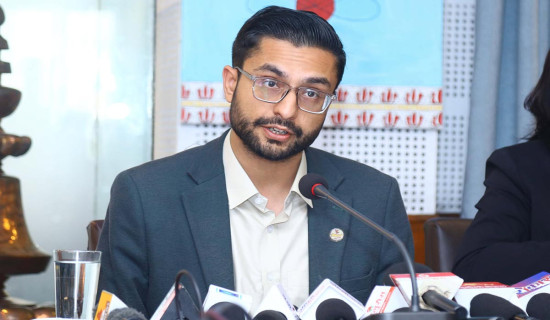
According to Join Secretary and Spokesperson or the Ministry of Communication and Information Technology Uday Bahadur Ranamagar, the latest crackdown is part of a broader effort to strengthen governance, enforce existing laws, and protect citizens from financial exploitation.
The government has also urged the public to report any illegal betting activities, warning users not to access unauthorised platforms through alternative means such as VPNs.
With the shutdown in place, access to major betting apps and websites has been blocked nationwide. According to Nepal Telecommunication Authority, as of Monday, over 200 betting apps and related webistes have been shut down following the government order.
NTA has been ordered to monitor internet traffic closely and take further action against individuals or networks found promoting or facilitating betting activities, according to the Ministry.
For users in Nepal, reactions have been mixed. Some have welcomed the move, saying it will help protect young people and reduce financial losses. “Many youths were getting addicted and losing money. This step was necessary,” said Sunil Putuwar, a resident of Nagarjun Municipality-2, of Kathmandu, who once also used to indulge in online gambling.
Others, however, argue that the ban may push betting activities further underground, making regulation even more difficult. Some users also expressed frustration, saying they used such platforms for entertainment and small-scale betting.
As the nation moves forward with this strict enforcement, the challenge will be not just shutting down illegal platforms, but also raising awareness, strengthening monitoring systems, and addressing the underlying demand, suggested Limbu.