- Monday, 8 June 2026

Final assessment of heritage in Thame village of Solukhumbu
File Photo:
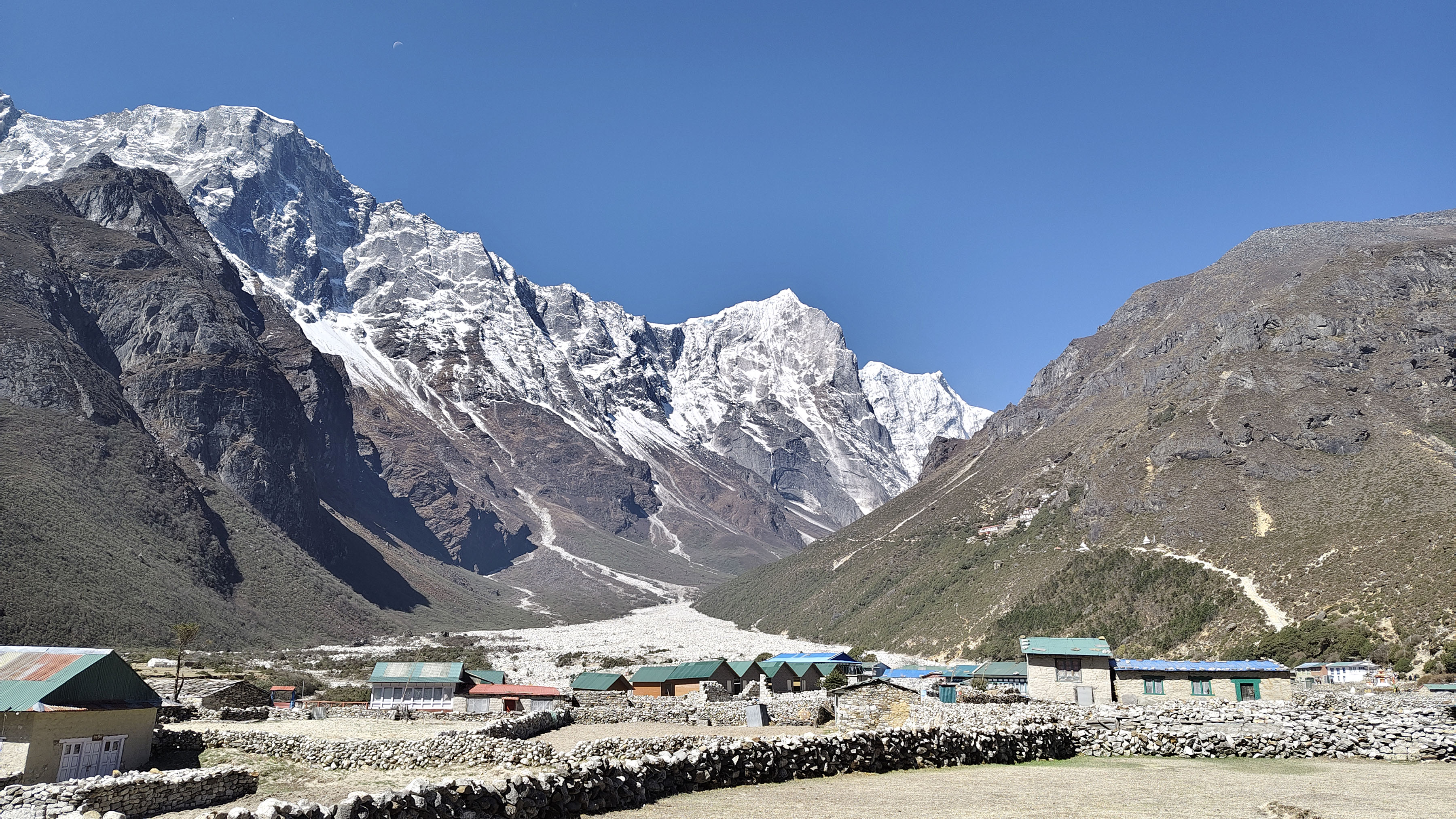
Kathmandu, March 22: Thame village of Solukhumbu district was devastated by the glacial lake outburst flood (GLOF) in August 2024. The GLOF damaged not only the personal property but also the cultural heritages.
In this connection, UNESCO Nepal supported the assessment of living heritage of indigenous Sherpa community of Thame and held series of workshops for it. The final event was held on March 21 -22.
It was aimed at building capacity of more than 30 local stakeholders, including women’s groups and local indigenous youths through two workshops, which contributed to the finalization of the documentation of exceptional living heritage in Thame.
The final gathering aimed at identifying the intangible cultural heritage elements so that depth of the Sherpa Culture could be documented by the experts, said UNESCO. The local stakeholders remained vital since the initial process, thereby leading the validation to confirm the authenticity of finding.
“Throughout this process, ethical considerations are paramount, with the process strictly adhering to the principle of free, prior, and informed consent (FPIC) to ensure the indigenous Sherpa community maintained ownership over the identified living heritage elements”, said Jaco du Toit, UNESCO Representative to Nepal.
Rigorous and in-depth discussions were held among the community members to validate the draft inventory of the eight indigenous cultural heritages. With this, the intervention strengthened local capacity to define and preserve living heritage elements. This initiative is closely aligned with the 2003 UNESCO Convention for the Safeguarding of the Intangible Cultural Heritage, emphasizing local voices in safeguarding living traditions, according to UNESCO.
“During the information collection process, the youth including myself had the opportunity to learn so much from our elders. It has been incredibly beneficial for us to learn about our own place. The methods helped not only youth like me but also others to remember the old ways. We will now work to further develop the elements we identified,” says Fura Kami Sherpa, President of the Thamichhowa Youth Group.
It was mentioned in a press statement released by UNESCO Kathmandu on Sunday. (RSS)



-original-thumb.jpg)
-original-thumb.jpg)