- Monday, 8 June 2026

Faith-led initiative launched to protect high mountain rangelands in Dolpa
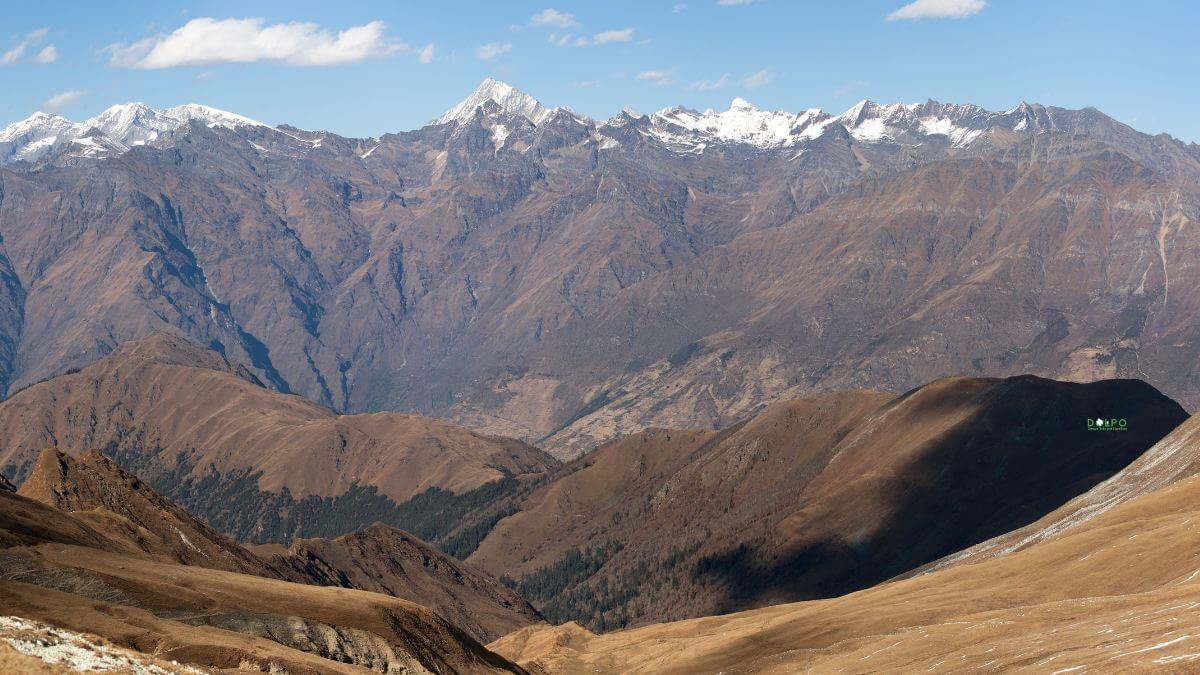
File Photo:
By Bhisma Raj Ojha, Kathmandu, March 22: The pasture land in the high mountain regions of the country are to be conserved through blending of traditional knowledge and modern science.
To that end, the Government of Nepal, in collaboration with WWF Nepal, has officially launched a new four-year conservation initiative titled “Reviving Faith Leadership for High Mountains Rangeland Conservation in Nepal.”
The Initiative was launched on March 19, Thursday.
The objective of this project is to conserve the high alpine pastures in the remote upper areas of Dolpa in Karnali Province, improve the livelihoods of the local people, preserve cultural heritage, and promote tourism.
The project aims to protect fragile high-altitude rangeland ecosystems in Upper Dolpa while strengthening local livelihoods and preserving cultural heritage.
Upper Dolpa, one of Nepal’s most remote Himalayan regions, is known for its unique biodiversity, including the iconic snow leopard, as well as its deep-rooted cultural and spiritual traditions. However, these rangelands are increasingly under pressure from climate change, unsustainable resource use, and socio-economic challenges.
The newly launched initiative seeks to address these issues through an innovative approach that integrates indigenous knowledge systems, faith-based leadership, and modern scientific practices. By engaging local religious and community leaders, the project aims to foster stewardship of natural resources rooted in cultural values and long-standing traditions.
Funded by the UK government under the Darwin Initiative, the project is designed to create a community-led and replicable model for sustainable rangeland management. It emphasizes improving pasture health, conserving wildlife habitats, and enhancing the resilience of local communities who depend on these ecosystems for their livelihoods.
Officials highlighted that the initiative not only focuses on environmental conservation but also seeks to strengthen socio-cultural systems that have historically guided sustainable living in high mountain regions. By bridging traditional wisdom with modern conservation science, the project aspires to ensure long-term ecological balance and community well-being.
This effort reflects a growing recognition that effective conservation in fragile mountain ecosystems requires inclusive approaches that value both nature and culture. If successful, the model developed in Dolpa could be expanded to other high-altitude regions across Nepal and beyond.
The year 2026 is being celebrated as the 'International Year of Pastures and Livestock Keepers'. Nepal's high mountain pastures have sustained nature and human life for thousands of years. These pastures are an important source of income as well as play a crucial role in ensuring water security for the people.
WWF Nepal has stated that it has gained solid experience working with marginalised communities in remote areas of the country.
Dr Ghanashyam Gurung, the Country Representative of WWF Nepal, said that with the support of the 'Darwin Initiative', work has been previously carried out to improve the living standards of the economically and socially disadvantaged communities in the Tarai region.
He said, "Through this new project operating in the upper Dolpa region, our goal is to achieve the same level of impact by strengthening community-based conservation and livelihoods."
Nepal has given high priority to the preservation of the natural and cultural integrity of these pasture lands. Visionary policies have created a favourable environment for co-management, ensuring meaningful participation of indigenous and local communities.
WWF Nepal has been conducting comprehensive conservation programmes in Shey-Phoksundo National Park in collaboration with the Department of National Parks and Wildlife Conservation under the Ministry of Forests and Environment and local communities, where the snow leopard is considered the flagship species.
This project, led by the Department and Shey-Phoksundo National Park and guided by the Shey-Phoksundo Rural Municipality, aims to develop a replicable effective governance framework for Nepal's high mountain pastures.
The pasturelands covered by the project support more than 650 families of the Park's Buddha and Mukporung buffer zone consumer committees. Here, the community relies on livestock, non-timber forest products, and traditional medicine for their livelihoods.
Guided by the policies of the Government of Nepal, traditional knowledge, and international best practices, this project is said to empower members of local communities—especially youth, women, and herders. They will play an active role in the pastureland management sub-committee of the buffer zone user committees.(RSS)
-original-thumb.jpg)




-original-thumb.jpg)