- Thursday, 30 April 2026

Blissful Snowfall, Rain

The recent weather conditions from the Himalayan region to the Kathmandu Valley have brought both relief and disruption. Snowfall in the Himalayas and rainfall in the hills and plains provided much-needed respite to the people affected by the prolonged drought. The snowfall in the Mustang region and other high-altitude districts, along with rainfall in the capital marked a welcome change in the otherwise worrying climate trend. However, the rainfall coupled with storms caused massive destruction in Madhes and Koshi provinces, leading to two deaths in Udayapur district of Koshi.
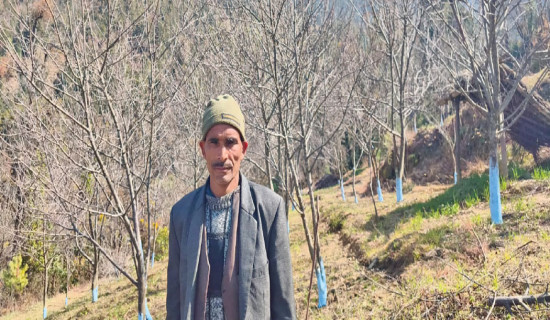
The snowfall at this season is a boon for farmers and herders. It helps grass grow in the pasture and supports the cultivation of potatoes and apples, while rainfall in other areas helps maize and other crops thrive. Snowfall also plays an opportunity in maintaining balance within the fragile ecosystem in the entire region, which faces a harsh winters. However, irregular snowfall has emerged as a major concern in recent years. Communities long accustomed to predictable weather patterns are now forced to adjust to increasingly irregular weather conditions.
While the short-term relief from the latest change in weather patterns is beneficial, it highlights the issue of irregular climate patterns. The situation in other districts also points to this underlying concern. Although snowfall and rainfall have supported agriculture and boosted tourism in Rara, they have also posed certain challenges. Hailstorms destroying crops and cold weather disrupting daily life clearly show that weather patterns are becoming more and more irregular. Even in cities like Kathmandu, the rainfall has been instrumental in having a positive impact by helping reduce the levels of air pollution. The problem with this is the reliance on weather occurrences to clean up the environment and the failure of other environmental policies. Clean air should not be temporary or dependent on rainfall, it must result from long long-term environmental policies and urban planning.
Significantly, rain has such a dramatic effect on purifying the atmosphere in and around Kathmandu. However, it also reflects the deteriorating condition of Kathmandu caused by emissions from vehicles and dust emanating from construction sites. The unplanned urbanisation and rapid increase in vehicles and poorly-maintained old ones add to the deteriorating air quality of the valley. Also, burning of garbage, plastics and crop residues in and around the Valley also adds toxic smoke and fine particles, further deteriorating the air quality. So, there should be a mechanism to monitor the community activities that are creating air pollution. Clean air created by rainwater instead of effective governance policies points to a larger malaise in the system. Weather experts say that recent weather-related events have been caused by low-pressure systems from the west, which are characteristic of the pre-monsoon season but increasingly difficult to predict.
Their varying impact, ranging from snowstorms to hailstorms, indicates a broader trend in climatic shifts that warrants attention. Snow may revitalise pastures, and rain may purify polluted air, but both have disadvantages. The concerned authorities should minimise the demerits by building rural resilience and promoting urban areas environmental responsibility. At the same time, bereaved families and the farmers who suffered losses need to be compensated.
-original-thumb.jpg)