- Saturday, 2 May 2026

Experts warn of flu spread in polling crowds
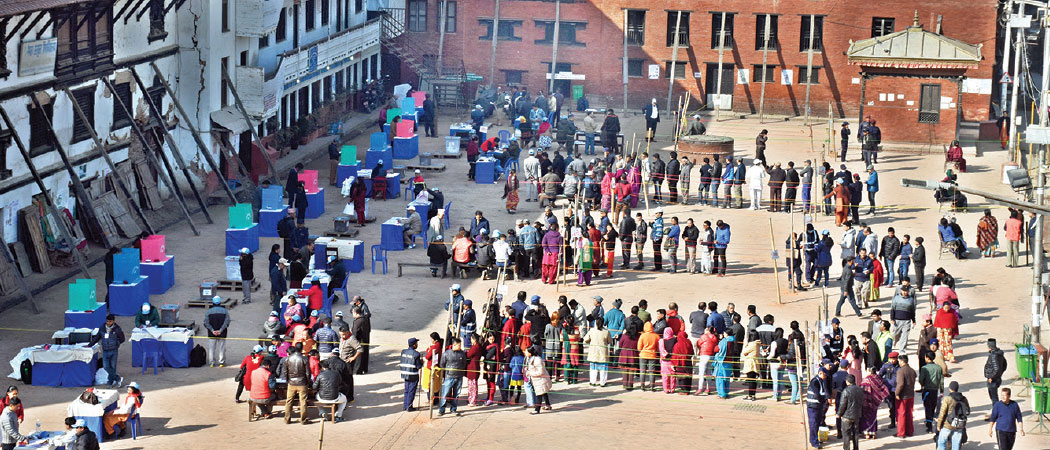

By A Staff Reporter,Kathmandu, Mar. 5: Experts and health officials have warned of possible spread of the flu during the election due to the large crowds.
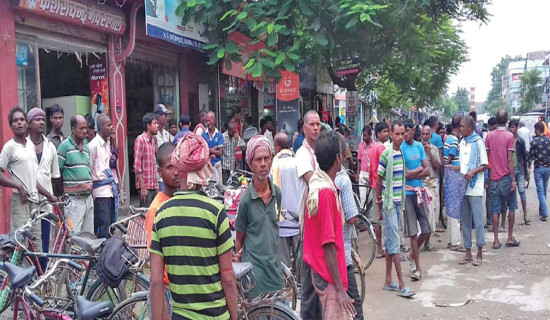
They also said that the flu could be spread by the crowd at the polling station, as several places have experienced viral flu in recent days.
In recent days, due to the seasonal changes, the number of patients with colds, coughs, and seasonal fever has increased in various districts as the summer approaches.
Infectious disease specialist Dr. Sher Bahadur Pun said that the infection can spread if voters wait in queues at polling stations for hours, have close contact, and do not fully follow hygiene measures.
“Flu spreads fast in the crowds. It can easily transfer from one person to another through coughing, sneezing, or close contact,” Dr. Pun said.
According to government officials, the number of flu patients in various hospitals has increased
during February and March, as these are the months when infections are common in Nepal. Seasonal flu
effects generally last for five days, experts said.
Children, elderly and people with chronic disease at risk of flu
Experts also suggested that children, elderly people, and people with chronic diseases are at high risk of the flu while spending time in crowds. Similarly, pregnant women are also at risk, experts said.
However, the Election Commission has stated that arrangements will be made to ensure that chronically ill, pregnant women, and senior citizens do not have to wait in long queues to vote.
According to experts, people over the age of 60 have a weakened immune system. If they get an infection, they are more likely to develop complications (fever, pneumonia, death).
Similarly, the immune system is somewhat weakened during pregnancy. Flu infections can affect the health of the mother and the baby.
Infection increases complications in people with chronic conditions such as high blood pressure, diabetes, heart disease, asthma, and cancer.
Health experts say that if basic precautions are taken, the risk of infection can be significantly reduced even in events involving large crowds, such as elections.
Dr. Pun suggested wearing masks, washing hands or using sanitizers, maintaining social distancing as much as possible, and taking precautions if having a fever or symptoms of infection while voting.
He also suggested that drinking water at polling stations and avoiding crowded places is essential.
Fever and headache, sore throat and cough, body aches and extreme fatigue, runny or stuffy nose are the symptoms of flu.
Bir Hospital forms RRT to tackle health issues at polling stations
Meanwhile, Bir Hospital has formed a 26-member Rapid Response Team (RRT) with specialist doctors, aiming to respond to possible accidents in the polling stations.
The hospital has prepared a 26-member high-level team under the
coordination of Dr. Suresh Prasad Nepal, Head of the Emergency Department.
The hospital has stated that it has made these special preparations to immediately address any emergencies, accidents, or other health problems that may arise during the election.
Director of the Bir Hospital, Dr. Dilip Sharma, informed that the team will be working on ‘high alert’ during the election holiday.
“We have an expert team on standby to manage health challenges that may arise from potential incidents that may occur during the election,” Dr. Sharma stated.
According to Dr. Sharma, the Rapid Response Team includes specialist physicians, nursing administrators, and heads of drug management from various departments.

-original-thumb.jpg)

-square-thumb.jpg)