- Saturday, 2 May 2026

Ilam-1 sees new faces as veteran leaders step aside
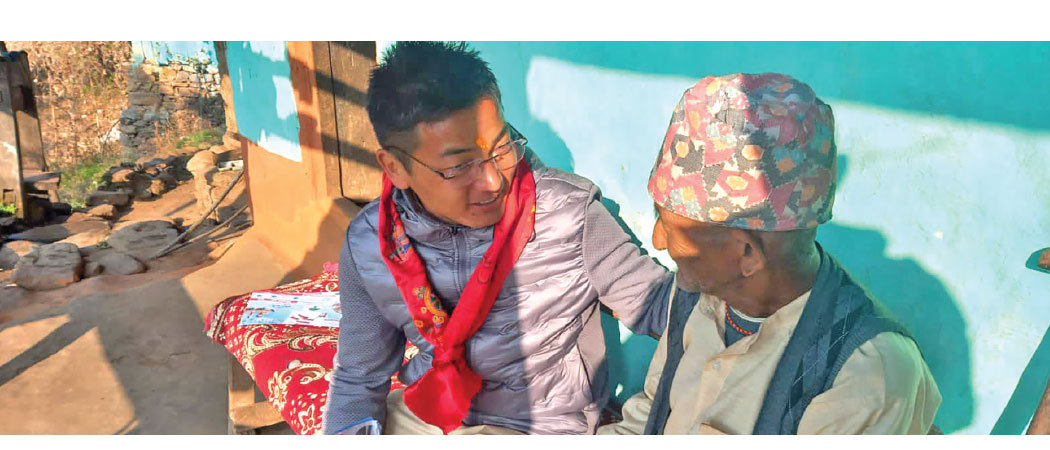
Photo: Prem Adhikari/Ilam A candidate in Ilam constituency No. 1 wooing a voter.

By Prem Adhikari,Pashupatinagar (Ilam),march.1 : In past elections, Ilam constituency No. 1 would turn festive whenever former Prime Minister Jhalanath Khanal entered the race, with large rallies and loud campaigns.
This time, however, Khanal, after quitting the CPN-UML in 2021, has taken a break from electoral politics and the atmosphere in Ilam-1 feels markedly different.
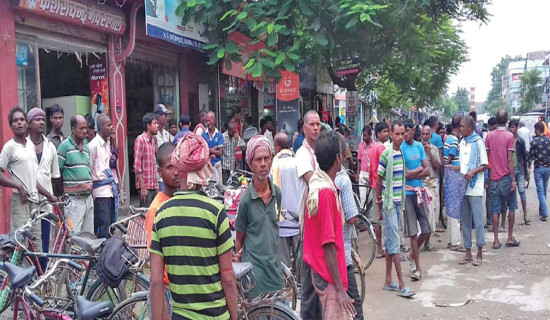
There are no party flags on houses, no posters or pamphlets on walls and no large rallies at crossroads. Thirteen candidates are contesting in Ilam-1, most of them local faces. As a result, relations between parties and candidates have remained largely cordial. Even in the final days of the campaign, candidates are busy going door-to-door. In the past, national leaders were brought in to give speeches, but that practice has been dropped this time.
District Election Officer Devicharan Phuyal said candidates are focusing on small teams and household visits. “Compared to other districts, Ilam is calm. Candidates appear to be spending carefully, which is a positive sign,” he said.
Rana Bahadur Rai, a former two-term mayor of Suryodaya Municipality and a parliamentary candidate from the Nepali Communist Party, said elections should not be flashy or expensive. “Voters are much more aware now. They no longer vote just by listening to speeches. They judge candidates by past work and good governance,” he said.
Nepali Congress’s young candidate Nishcal Rai said the way of seeking votes has changed with time. As a young candidate, he said he is raising issues related to tourism, agriculture and youth among voters.
Most candidates are also making extensive use of social media. Many have produced videos highlighting local tourist destinations and outlining plans for future development.
Rudra Ghimire, a tourism entrepreneur from Antu, welcomed this trend. “Many overlooked tourist sites in Ilam-1 are being promoted this time. Along with promotion, their problems and potential are also being highlighted,” he said.
CPN-UML candidate Kajiman Kagate said he feels a clear difference from past elections. “Earlier, every party focused on grand displays. This time, everyone is spending their time on door-to-door campaigning,” he said, adding that development, infrastructure and tourism feature strongly in his video campaigns. “You cannot win votes today by abusing opponents. You must win the trust of voters.”
Bimal Gadal of the Rastriya Swatantra Party is also campaigning by combining his political agenda with the promotion of tourist sites. While the Shram Sanskriti Party and the Rastriya Prajatantra Party have held small rallies, other parties have avoided large public meetings.
With 112,320 voters in Ilam-1, traditional heavyweights Nepali Congress and CPN-UML appear to be under pressure this time, as newer forces such as the RSP and the Shram Sanskriti Party are expected to cut into their vote banks.
-square-thumb.jpg)