- Sunday, 7 June 2026

Youth Call for effective Implementation of National Youth Policy and Vision Across Provinces
Kathmandu, Feb 9: Youth stakeholders from Koshi, Madhesh, and Gandaki provinces have called for the effective implementation of the National Youth Policy 2082, emphasizing that meaningful youth participation is essential for nation-building and sustainable development.
The National Youth Policy 2082, endorsed by the Council of Ministers on 18th August envisions empowering young people to play a meaningful role in nation development by promoting holistic youth development, ethical values, creativity, entrepreneurship, leadership, and civic responsibility. The policy aims to ensure youth engagement in Nepal’s social, cultural, economic, political, and sustainable development processes, according to Gehnath Gautam, Chief Administrative Officer of the National Youth Council (NYC).
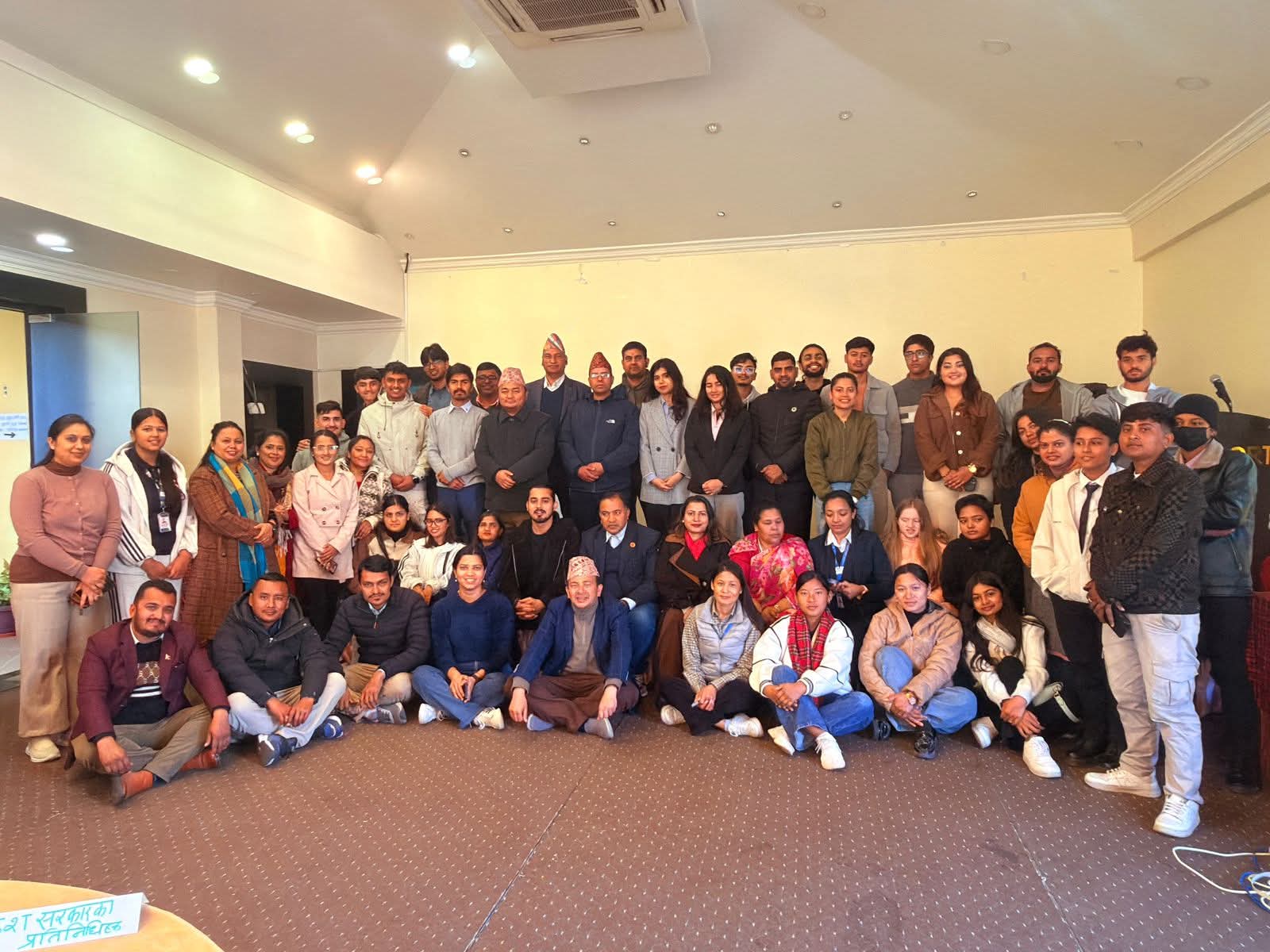
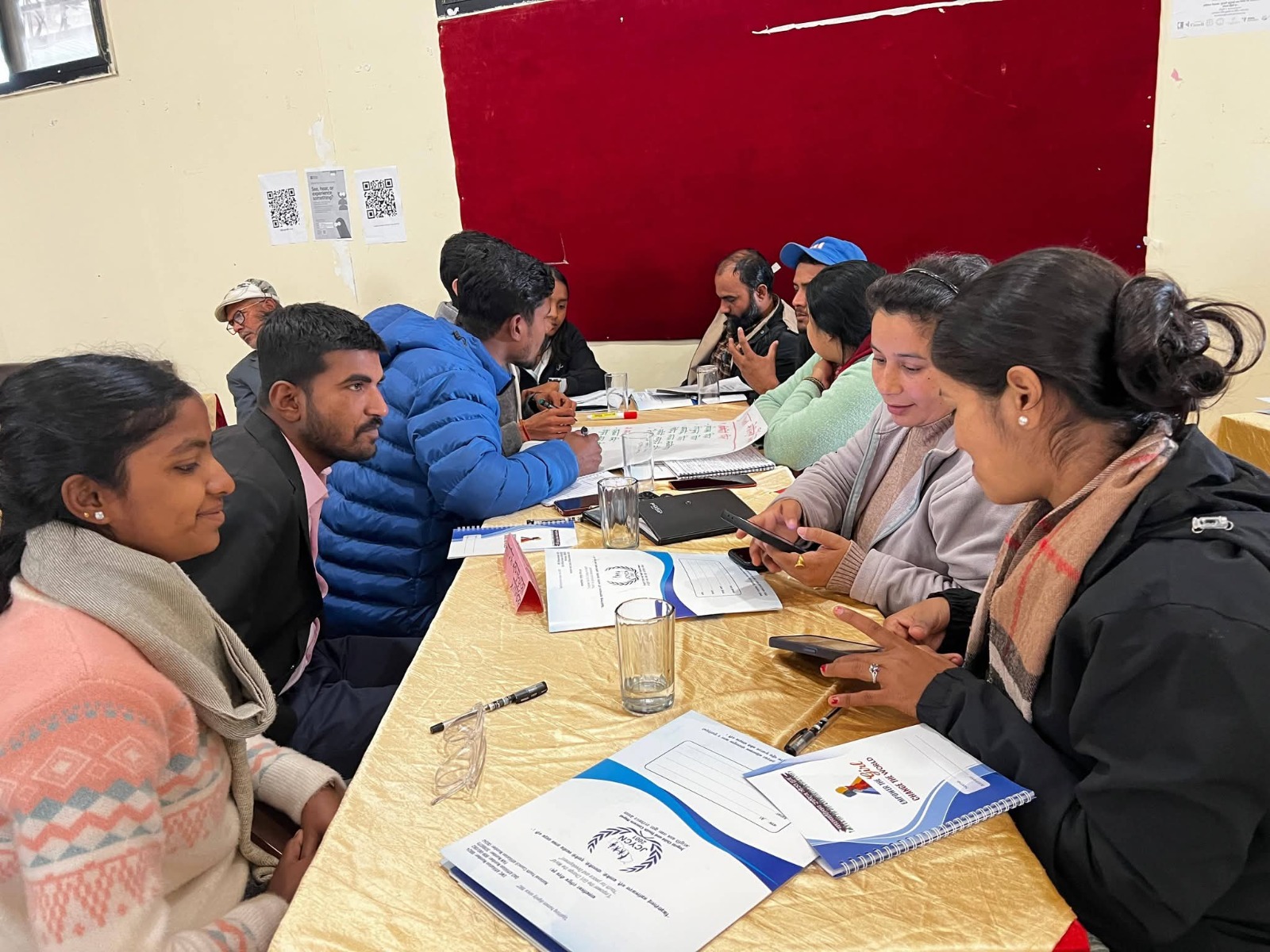
With the objective of disseminating the National Youth Policy 2082 and collecting substantive inputs for the forthcoming Youth Vision, Jagriti Child and Youth Concern Nepal (Jcycn), in collaboration with the National Youth Council (NYC) and with support from the British Council Nepal, organized a series of provincial-level consultations in Pokhara (26 January), Biratnagar (4 February), and Janakpurdham (6 February). The consultations brought together more than 201 participants from across Gandaki, Koshi, and Madhesh provinces, including elected representatives, government officials- NHRC, Representatives from Social Development, Youth and Sports Ministry, constitutional bodies, civil society organizations, development partners, youth rights activists, private sector representatives, academic institutions, agricultural entrepreneurs, persons with disabilities, sexual and gender minorities, and diverse youth-led groups.
The workshops provided an inclusive multi-stakeholder platform for dialogue on youth-friendly governance, climate change, girls’ empowerment, child-friendly and nutrition-friendly initiatives, child marriage prevention, civic space, peace education, conflict and violence management, moral education, digital safety, and adolescent empowerment, enabling young people and stakeholders to jointly identify policy gap, share good practices, and generate evidence-based recommendations to inform the forthcoming Youth Vision and strengthen the effective implementation of the National Youth Policy 2082, shared by Tilottam Paudel, Chairperson of Jcycn.
Chandra Thapa, Under Secretary of the National Youth Council, stated that following the first National Youth Policy in 2066 BS and the Youth Vision 2015–2025 introduced to operationalize the 2072 policy framework, the expiration of the previous Youth Vision has made it timely to formulate a forthcoming Youth Vision aligned with Nepal’s federal context and emerging youth realities.
Participants highlighted key challenges in the youth sector, including limited impact of past programs, weak coordination among ministries and agencies under the federal structure, inadequate resources, gaps in research-based policymaking, and unequal access to opportunities. Addressing the consultations, Dr. Dipesh Ghimire, Assistant Professor at Tribhuvan University, noted that the new Youth Policy 2082 and forthcoming Youth Vision aim to build on good practices while addressing structural gaps through inclusive, youth-centered dialogue and evidence-based recommendations.
Participants put forward comprehensive recommendations for the forthcoming Youth Vision and the implementation of the National Youth Policy 2082, calling for youth-friendly local governance with Local Youth Committees in all local governments and Provincial Youth Councils in every province. They emphasized livelihood security through entrepreneurship, life-skills and skills-based education, improved access to health services including treatment for life-threatening diseases, and special provisions for persons with disabilities, sexual and gender minorities, and youth in alternative care. Youth also urged strong action on climate justice and disaster risk reduction, strengthened education, health, social security, sports and exchange programs, and inclusive youth participation in economic, social, cultural and political decision-making. Other priorities included capacity building of youth CSOs, mental health and career counseling, digital safety and substance abuse prevention, promotion of youth entrepreneurship in tourism, forestry and renewable energy, support for arts, culture, innovation, research and technology, protection of youth rights across all identities, safe migration, anti-trafficking measures, and the implementation of UN Security Council Resolution 2250 on Youth, Peace and Security.
Stakeholders also stressed the need for transparent and accountable coordination among federal, provincial, and local governments, the private sector, and development partners, as well as mechanisms to identify and mobilize youth talent for national development.
Representatives of the National Youth Council reiterated commitments to promote the implementation and outreach of the National Youth Policy 2082 and shared updates on ongoing NYC programs, according to Nawaraj Niroula, Under Secretary of the NYC.
Participants urged provincial and local governments to establish dedicated youth structures immediately and to design youth programs with meaningful participation of young people themselves.
Welcoming the participants, Program Coordinator Rita Thapa stated that the provincial dialogues would serve as a guiding framework for the forthcoming Youth Vision, adding that the collected recommendations would be formally submitted to relevant authorities to support policy implementation and institutional reforms.
The consultations concluded with a collective call for strong political will, adequate investment, and institutional mechanisms to translate the National Youth Policy 2082 and the upcoming Youth Vision into tangible outcomes for Nepal’s young population, which currently accounts for 42.56 percent of the total population. The new policy proposes to redefine the youth age group to 18–35 years, aligning youth programs more closely with evolving demographic realities.
-square-thumb.jpg)
-square-thumb.jpg)