- Sunday, 7 June 2026

Civil society leaders in Madhesh call for stronger civic space, accountability, and inclusive policies for the empowerment of communities
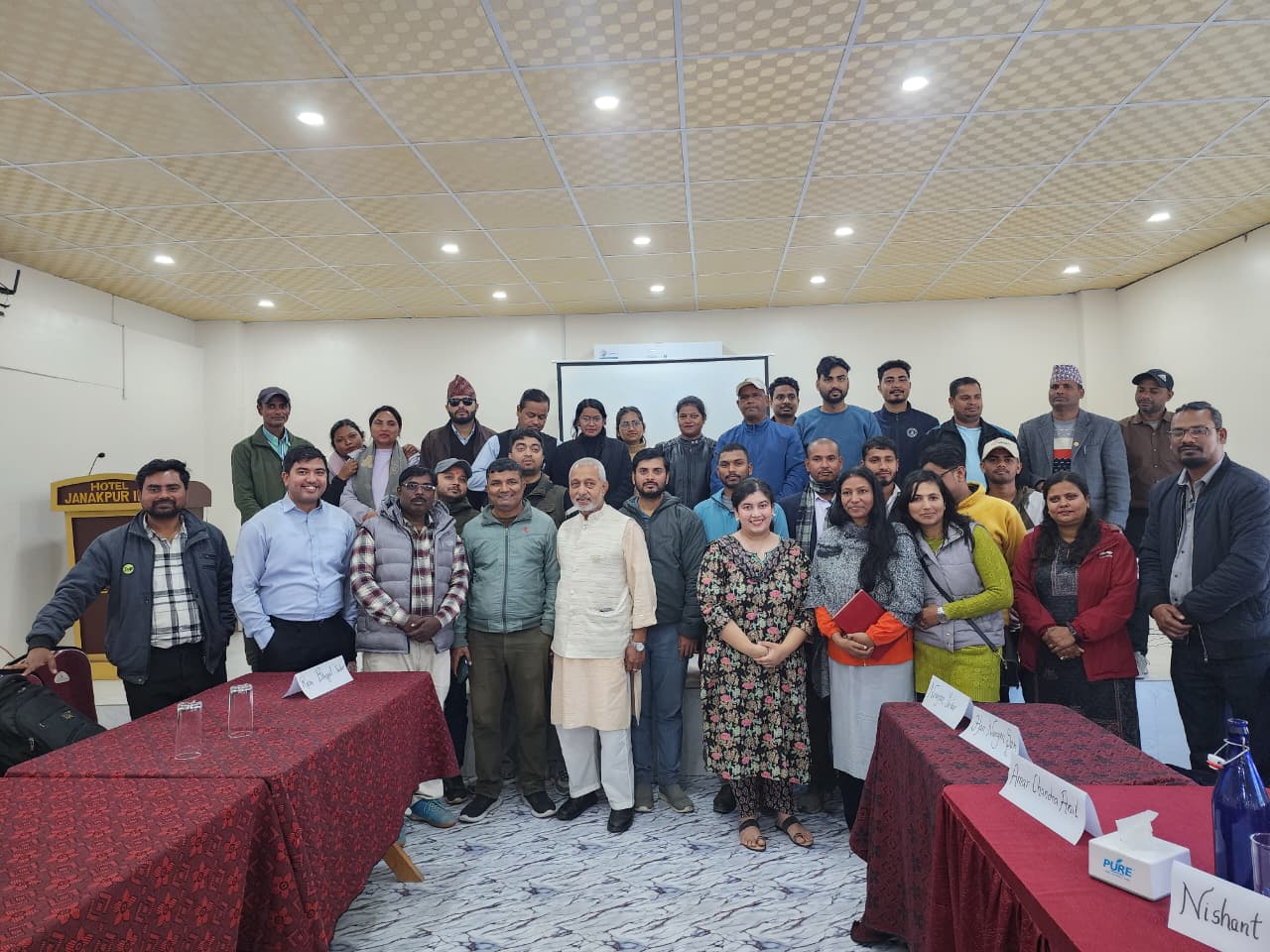
Janakpur, Feb 6: Representatives from civil society groups and community-based organizations have highlighted growing concerns about weak government accountability and the lack of frameworks that recognize the important role of civil society.
Speaking at a multistakeholder dialogue “Revitalizing Civic Dialogue at Community Level” on Friday, participants stressed on the need to continue demanding accountability, working to promote transparently, and advocating for inclusive policies particularly in education and health and the areas of public concerns for, what they call, the foundation for Madhesh’s empowerment.
“Journalists are at the frontlines, but we cannot advance civic space alone. Civil society’s progress is stalled because government institutions remain unaccountable to the public,” said Puran Gupta, President of the Federation of Nepali Journalists in Dhanusha.
A law student Nitu Kumari Yadav noted that despite civil society repeatedly raising cases of gender-based violence, communities continue to suffer when police and local governments fail to fulfill their responsibilities. She added that civil society organizations should prioritize strengthening education and health systems at local level to ensure people are not deprived of essential services.
Participants collectively stressed that politicization within civil society, conflicting interests, and the absence of coordinated approaches have weakened their ability to advocate effectively. They pointed out that while CSOs have consistently raised issues like gender-based violence and poor education standards in community schools, key regulatory bodies including police and local governments have been slow to act.
“If we fail to translate our own voices into action and uphold transparency and accountability within our organizations, we may lose the moral ground to speak for others,” stated Jyoti Jha, Vice-President of the Federation of Nepali Journalists in Madhesh Province.
Participants also underscored that certain issues especially LGBTQ inclusion have yet to be given adequate attention in Madhesh Province. “LGBTIQ voices are still missing in major provincial dialogues. Without bringing these concerns to the forefront, inclusion in public services will remain an empty promise,” said right activist Pradip Kumar Yadav.
Highlighting the challenges in equality education and weak accountability situation, Gen Z representative and social activist associated with Samagra Bikash Sewa Kendra in Janakpur Birendra Rabidas said that Madhesh still faces one of the lowest literacy rates in the country. School Management Committees have become tools for political interests, while students rarely receive quality education or even basic services. He further added: “Unless community schools prioritize quality, and essential services, literacy rate will not improve as expected. Civil society must collectively hold these committees accountable.”
Girijananda Sah from Sajilopost suggested civil society organizations to maintain the notion of neutrality and serve for the benefit of local people. “CSOs must stay resilient against rising mis- and disinformation. Media should promote digital and media literacy to ensure the public receives factual information especially as we approach the 2026 federal elections,” he emphasized.
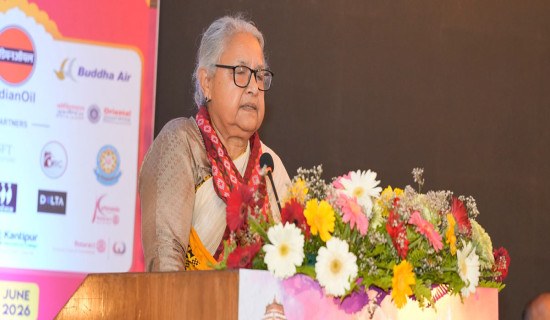
Closing the program, Upasana Tiwari, Madhesh Province President of ACORAB Nepal, praised the active participation of civil society representatives. “Madhesh has long been neglected, yet today’s dialogue shows the commitment of civil society to transparency, inclusion, and neutrality. Through our network of over 380 community radios, ACORAB will continue to champion civil society voices and hold public institutions accountable,” she said.
The event brought together diverse civil society representatives to address the shrinking civic space and rising wave of negative narratives and misinformation targeting civil society organizations (CSOs). Organized by Association of Community Radio Broadcasters Nepal (ACORAB) and Association of International NGOs (AIN) Nepal, the event strongly emphasized that Madhesh Province, despite its historic role in rights-based movements, continues to feel neglected by provincial and federal governments, particularly regarding inclusive education and health policymaking.
Participants included over 45 representatives from journalist associations, teachers, Gen Z activists, women’s groups, LGBTQ communities, I/NGOs, Tol Sudhar Committees, and marginalized groups, marking one of the most diverse CSO gatherings in the province in recent months after Gen Z led protests across the country.
The dialogue concluded with several key recommendations aimed at strengthening civil society movements in Madhesh Province and rebuilding trust with government institutions. These included establishing competent and neutral leadership to coordinate fragmented initiatives, ensuring meaningful and safe youth participation, enhancing transparency within CSOs, and improving digital literacy to counter misinformation. Participants stressed the importance of good governance across institutions, calling on police, courts, and administration to work collaboratively with CSOs in improving education and health, noting that only after progress in these sectors can CSOs effectively expand their work in other areas.
-square-thumb.jpg)