- Sunday, 7 June 2026

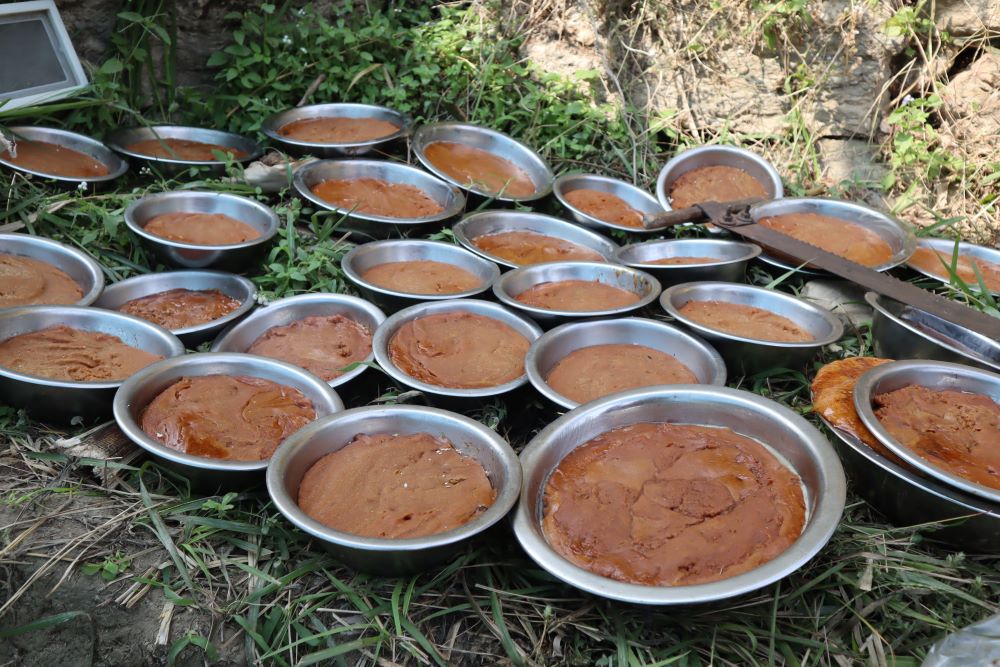
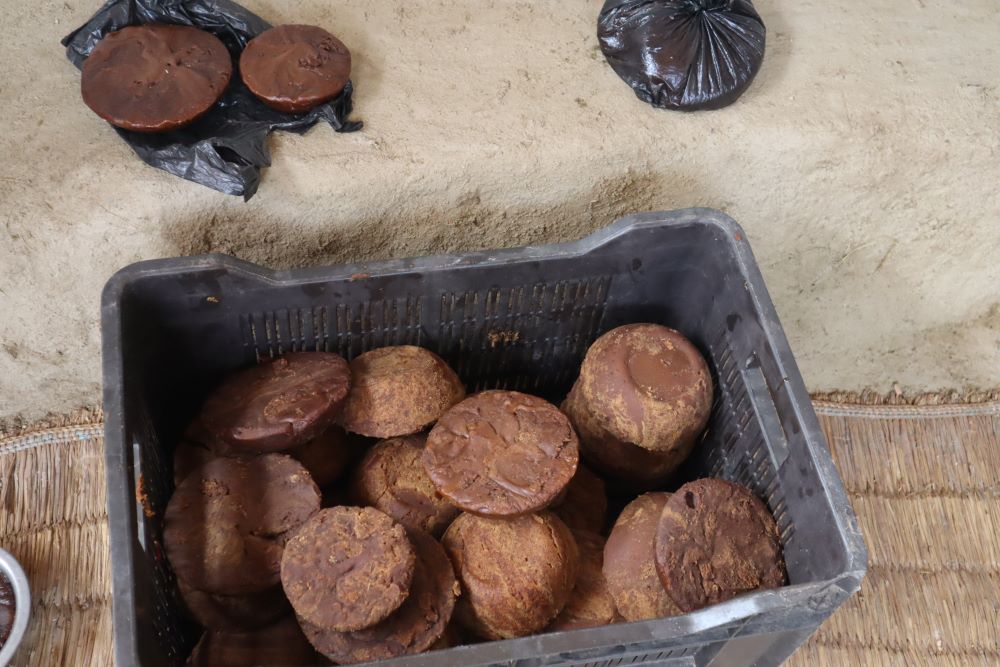
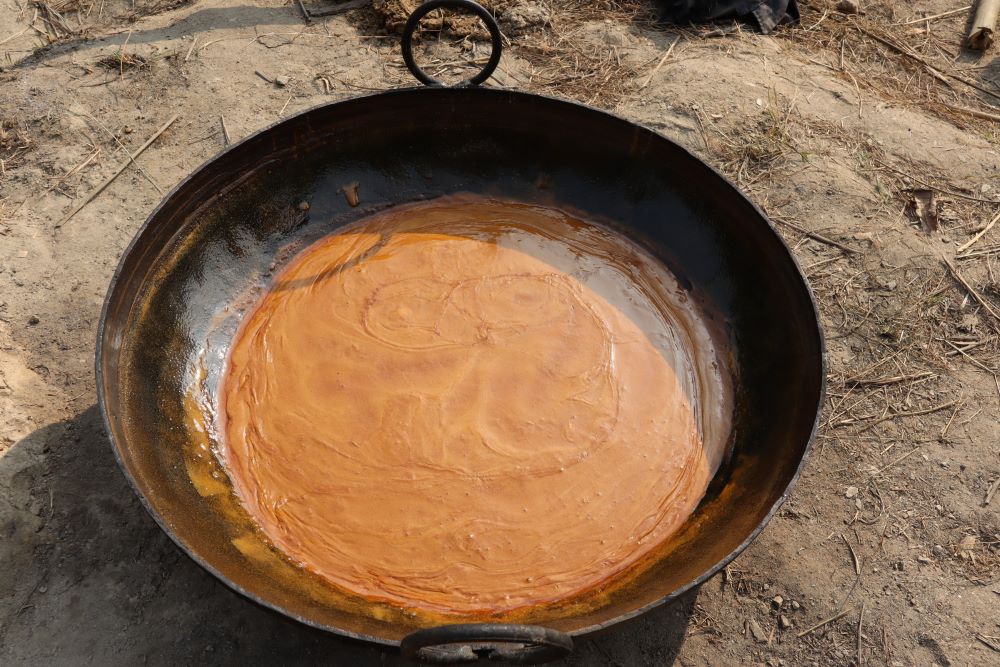
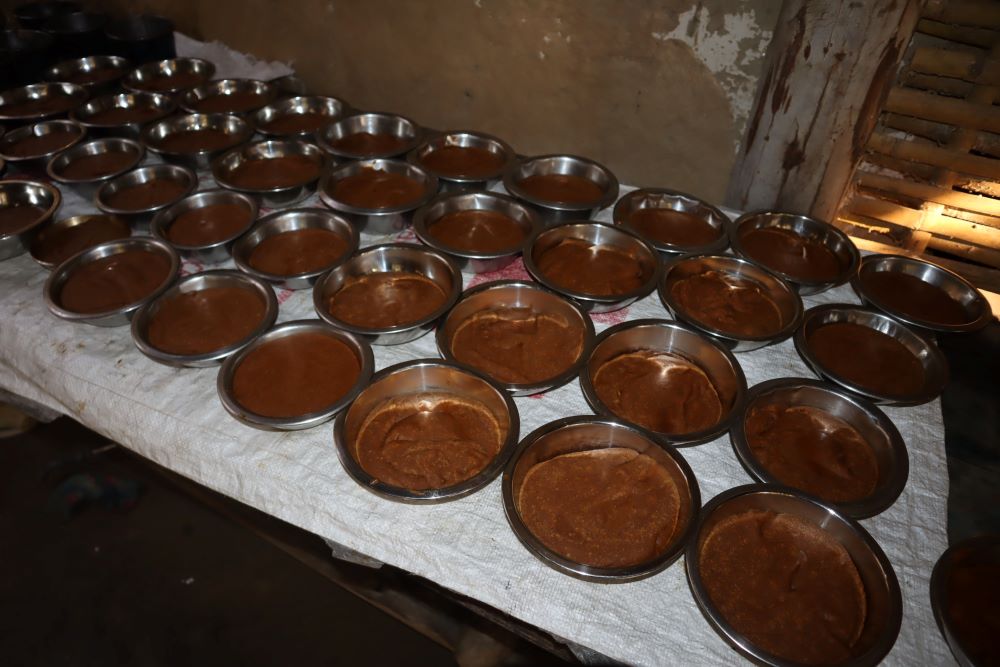
Sugarcane farmers along Henwa river hands full with jaggery and molasses production
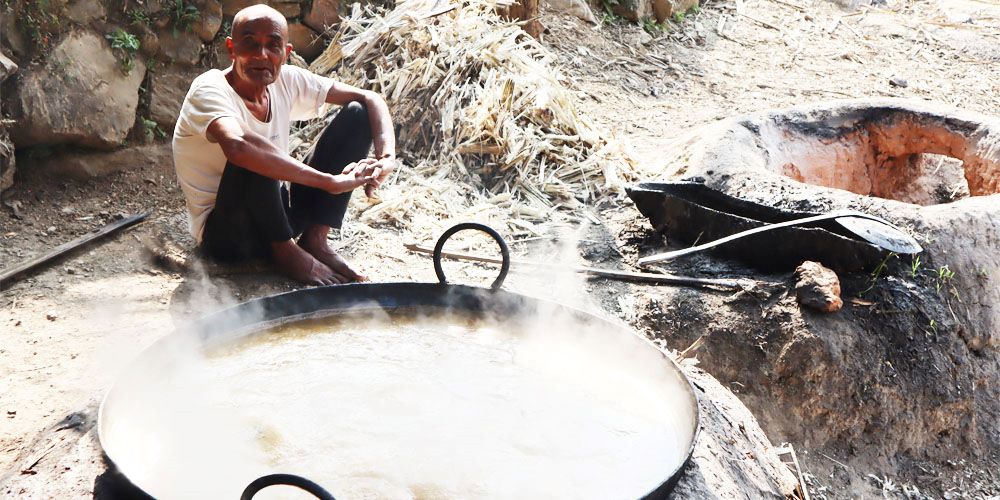
By Radha Luitel, Phidim, Feb 6: Farmers living along the Henwa River, which forms the boundary between Hilihang Rural Municipality and Phidim Municipality in Panchthar district, are currently busy harvesting sugarcane, washing it, and processing it into molasses and jaggery.
Every winter, from mid-December to mid-February, this seasonal activity keeps local farmers fully occupied.
Due to the medicinal value of jaggery made from the locally grown Gyanbara variety of sugarcane, many farmers in the area have gradually shifted from rice cultivation to sugarcane farming.
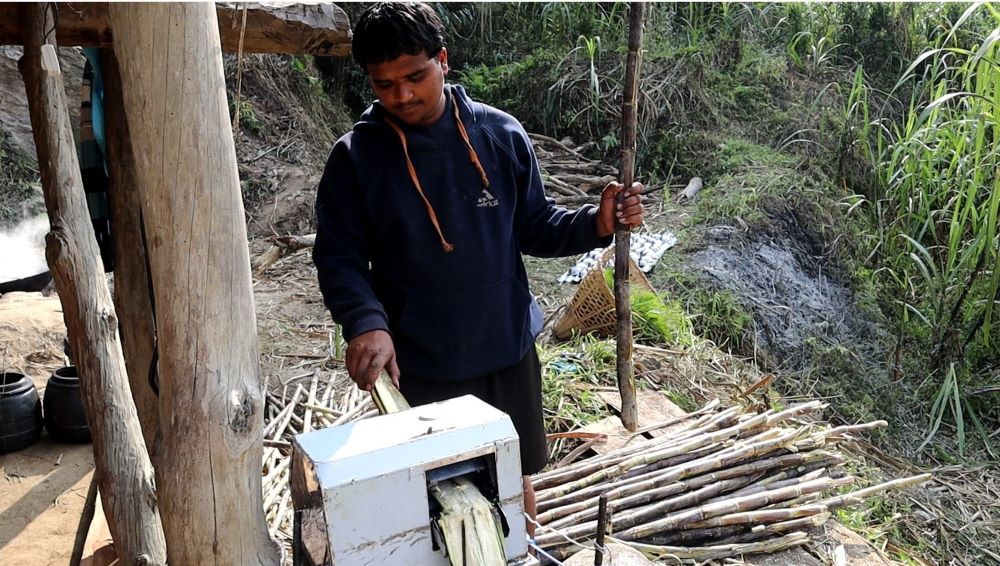
According to the farmers, sugarcane seedlings are planted during February and March and are managed from April onwards.
The crop matures by mid-December, making it ready for juice extraction. Most farmers in the region prefer to process their sugarcane into jaggery rather than selling it raw.
Veteran farmer Tikaram Pokhrel said that sugarcane cultivation and jaggery production have been practiced in these fields for generations. At present, 25 families are engaged in commercial sugarcane farming in Phidim Municipality–4 and Hilihang Rural Municipality–7.
Molasses and jaggery produced from local sugarcane are sold directly from farmers’ homes to consumers visiting from different parts of the district. Farmers also report that their products are exported to Jhapa, Kathmandu, and Pokhara.
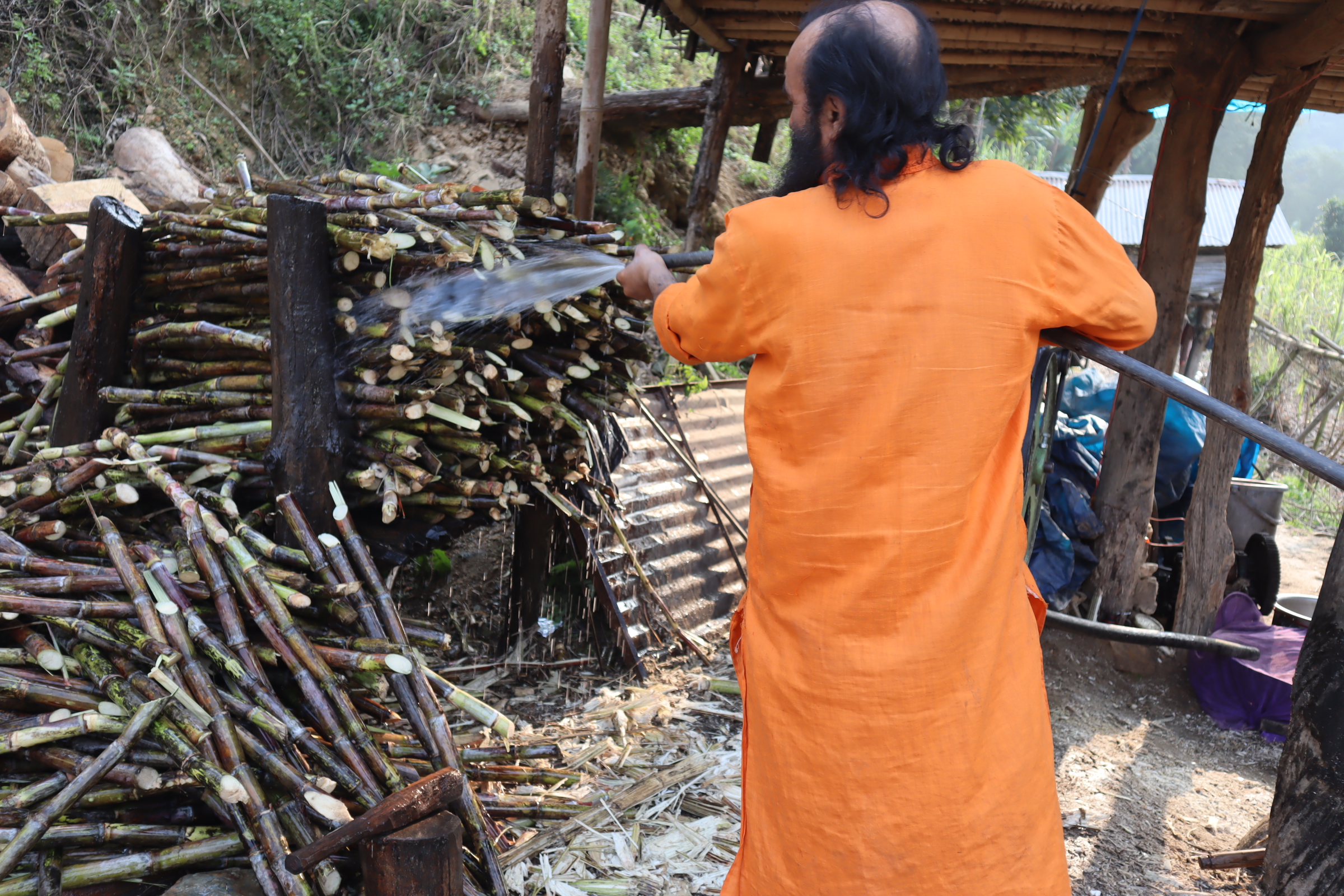
Jaggery made from the Gyanbara sugarcane variety is believed to have medicinal properties and is considered suitable even for patients suffering from high blood pressure, diabetes, and jaundice.
The jaggery is also used in making traditional foods such as chaku, kasar, sweets, and laddus. Some consumers also use it as a natural sweetener in tea.