- Sunday, 7 June 2026

International Day of Zero Tolerance for Female Genital Mutilation today
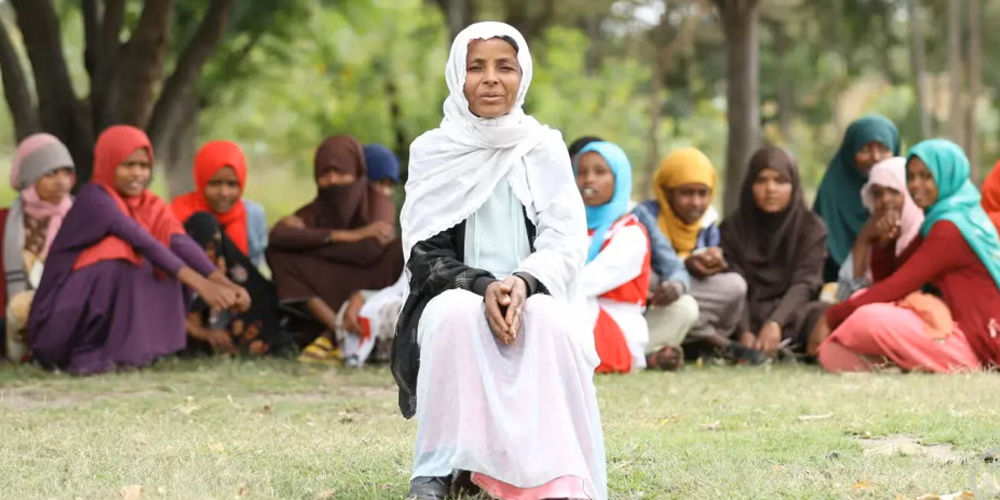
Kathmandu, Feb 6: Today is the International Day of Zero Tolerance for Genital Mutilation.
In 2012, the United Nations General Assembly had decided to observe February 6 every year as the International Day of Zero Tolerance for Female Genital Mutilation.
The objective of the day celebration is to further consolidate the efforts underway to end the practices around female genital mutilation.
The day empathizes on continuous engagement and investment from all-country governments, civil society organizations, communities, philanthropic agencies and international organizations.
According to the UN, over 230 million girls and women alive today have been subjected to FGM and require access to appropriate care services.
The stakes are high: an estimated 22.7 million additional girls are at risk of undergoing FGM by 2030 unless action is accelerated.
Every year, approximately 4 million girls are subjected to this practice, with over 2 million occurring before the age of five.
In his message on the day, UN Secretary-General Antonio Guterres called for renewing our promise to protect the rights of women and girls everywhere, and ensure that they can live free from violence and fear. "Together, we can end this injustice once and for all", he noted.
While progress has been made, half of the progress over the last 30 years was achieved in just the last decade, it is not enough, the UN said.
The rate of decline must be 27 times faster to meet the Sustainable Development Goal target by 2030.
Ending FGM requires sustained investment. For every $1 invested to end FGM, there is a return of $10.
Conversely, inaction is costly; treating the health complications of FGM costs health systems an estimated USD 1.4, it is stated.
Female genital mutilation is a human rights violation that infringes on the fundamental rights of girls and women. The injury of female genitalia for non-medical reasons can have short-term to lifelong health impacts on physical, sexual, and mental health, spanning from childhood, reproductive years, and into old age. (RSS)