- Saturday, 6 June 2026

Curb Social Media Abuse
We live in a time when fakes seem more real than reality. The meteoric rise of artificial intelligence (AI) has meant that not only can content be artificially generated right away, but also in a way that, for an unsuspecting follower of the content creator, it may be absolutely authentic. When fake content – whether audio, image, or video – created this way is uploaded to social media, it is available for the masses – far and wide – to consume.
A post shared online can rally masses for a cause in the blink of an eye and also spark thousands of offline conversations. Social media is a double-edged sword. If used responsibly, it consolidates democracy; when misused, it jeopardises it. If only a handful of people decide to act on the fake content meant to provoke violence and fulfil vested or nefarious interests, it can devastate a family, ruin someone's career, and even foment communal tensions, among other downsides. During elections, it may affect voter education, their turnout, and also their outcome.
In a democracy, maximum voter engagement is crucial, as is their informed choice. So, protecting the sanctity of elections by preventing social media misuse is crucial to holding elections in a free, fair, peaceful, and credible manner. Fake news about candidates and voting procedures, for example, can puzzle voters and influence their choices unfairly. If some parties or candidates abuse social media through trolls, targeted or organised smear campaigns and illegal advertising, it unfairly creates an uneven playing field, depriving candidates of equal opportunity – a recipe for mayhem.
Rampant social media misuse risks spreading hate speech, communal division, and violence. This creates fear and hostility, discouraging people from participating freely in the election. When rumours, fake results, or conspiracy theories make rounds on the internet, people may lose trust in elections themselves. Public confidence in the election process is essential for accepting election outcomes peacefully and facilitate smooth transition of government, from the outgoing to the incoming one.
In an effort to prevent such misuse, a regular meeting of the Central Security Committee on Wednesday elaborately discussed election security and also laid out the plans to that end. The goal was to make monitoring more effective to control the misuse of social media during election campaigning and to crack down on such activities.
Moreover, the government has decided to deploy a Cyber Police unit to curb the possible spread of misinformation and disinformation on social media during the March 5 election. The decision was taken after assessing the risk of candidates engaging in smear campaigns against one another through social media platforms. For this purpose, the Ministry of Home Affairs has activated the Nepal Police Cyber Bureau.
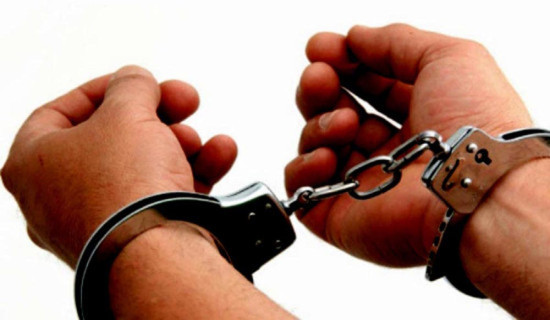
A monitoring desk has been set up at its office to keep an eye on social media platforms. District police offices have been instructed to take action, including making arrests, if individuals are found publishing or broadcasting misleading or malicious content during monitoring. Coordination has also been established with telephone service providers and internet service providers to control the spread of deepfake content.
Election time is no normal time. A great many events – predicted or unforeseen – can mar the sensitive period. Now that concrete plans have been formulated, the government should leave no stone unturned to enforce them. Doing so will go a long way to ensure that no untoward event will derail the election process.
-original-thumb.jpg)
-original-thumb.jpg)