- Wednesday, 29 April 2026

Deepening Pollution Crisis

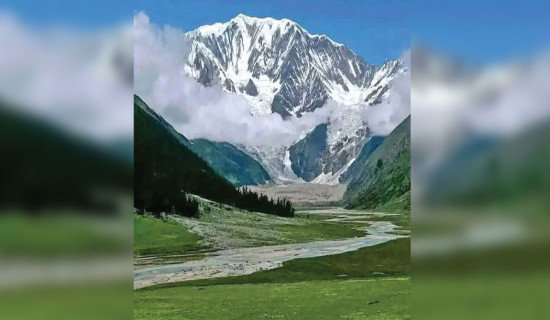
Air pollution is no longer limited to cities. It has started affecting life even in the clean hills of Nepal. The recent haze in Dadeldhura district is testimony to the fact that environmental issues transcend geographical boundaries. Typically known for its clear skies and breathtaking view of the snow-capped Himalayas, Dadeldhura has recently experienced poor visibility due to worsening air quality. Locals have found it difficult to see one hill from another, although the Himalayas, standing in the north, are usually clearly visible during this period. According to reports, polluted air emanating from factories in Nepal’s Tarai region and neighbouring India has covered the hills, making the sky unusually dark.
As a result of this worsening air quality, with the air quality index rated as unhealthy, residents in the region are already experiencing breathing difficulties and irritated eyes. The prolonged exposure to polluted air causes health issues, including respiratory problems and heart disease, affecting the most vulnerable groups, including children and the elderly. This worrying trend shows that air pollution is fast becoming a major cross-border environmental issue in the region, and that requires urgent attention.
Pollution is entering the country not only from outside. Rapidly growing cities, unregulated building practices, the burning of garbage, and the increase in the number of vehicles are adding to the pollution across the nation. Development is a necessity if the country is to grow economically, but it should be balanced with environmental protection. If the current trend of pollution continues, it will affect our booming tourism industry. The concerned authorities should not delay in taking steps to curb pollution.
Air pollution directly affects human health. Hospitals have already started reporting increased cases of respiratory problems, eye irritation, and breathing difficulties. The problem is particularly acute among children and the elderly. Now, the policymakers should think outside the box and consider the bigger picture. Waiting for the rain and the wind to blow the pollution away is not a strategy. It is merely postponing the problem.
A more holistic approach is required, including both individual and regional action. At the national level, more stringent monitoring of emissions from industries, more efficient management of dust emanated from construction sites, and more stringent enforcement measures against open burning can help minimise local-level pollution. In addition, more green spaces in cities and efficient transportation systems can help clean up the air in the long run.
It is equally important for the nation to establish a more efficient monitoring system for air quality so that immediate measures can be taken when pollution levels escalate. At the regional level, Nepal must engage in dialogue with its neighbouring countries, including India and Bangladesh, regarding regional-level air pollution. Since all three countries in this region share similar environmental problems, a joint approach can help solve these issues more effectively.
Climate diplomacy on this issue can help build stronger relations while addressing a problem faced by millions of people. The recent phenomenon of haze in the western hills should be viewed as a problem and also a challenge. The joint efforts of all concerned determine the country's environmental conditions. Clear skies in the western hills should be the result of a commitment to a healthy environment.