- Saturday, 6 June 2026

Stakeholders call for implementation of inclusive education
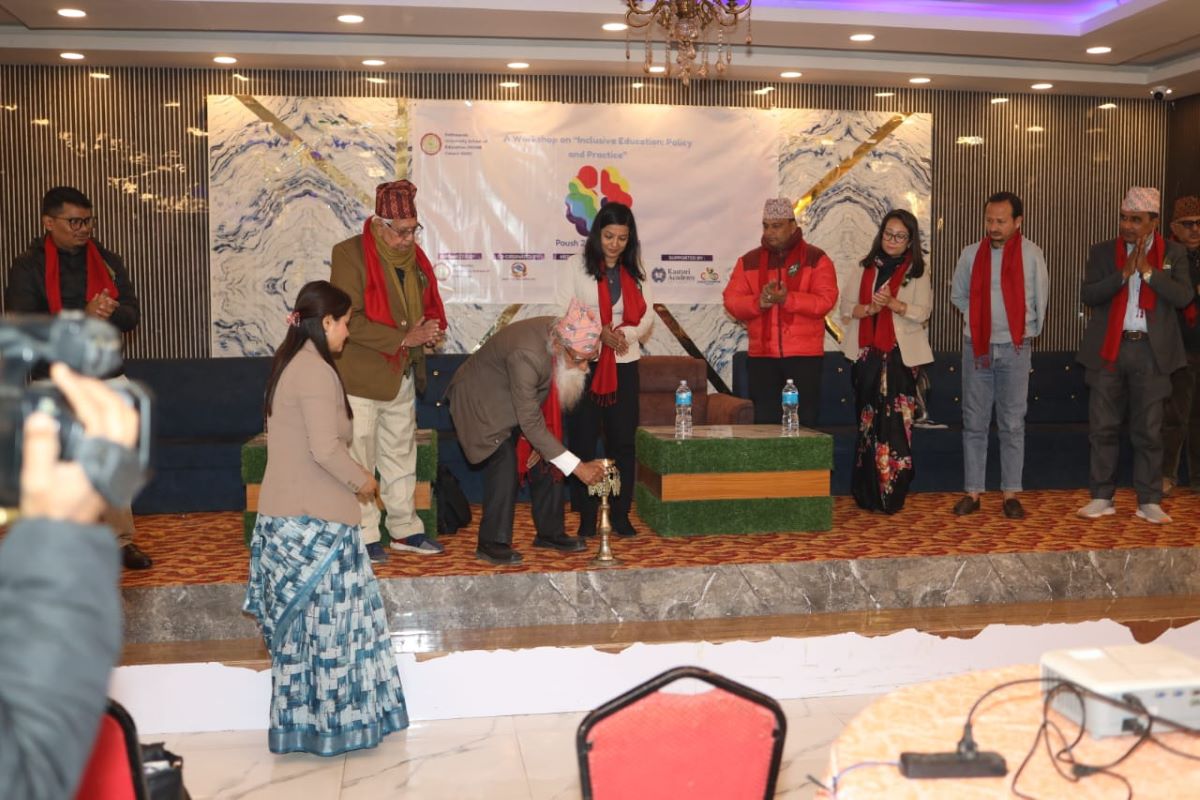
By Sachin Pokhrel, Itahari, Jan. 13: A wide discussion has been held in Itahari on behavioral evaluations to include children with disabilities, students with linguistic and cultural differences, and then children from marginalized community groups in inclusive education.
Participants highlighted that inclusive education policies remain confined to paper but are not applied practically to entire abilities.
Educationists and stakeholders participating in the workshop on “Inclusive Education: Policy and Practice” organised by Kathmandu University stressed this point.
During the workshop, participants conducted a detailed review of the existing policies on inclusive education in Nepal, the Constitution, the Education Act, and the role of local governments.
Experts said that although Nepal has sufficient legal provisions to ensure inclusive education at the policy level, effective implementation at the school level remains weak. Participants stated that the gap between policy and practice is the main challenge in implementing inclusive education.
Kathmandu University teachers Prisima Thapa, Ramesh Baral, and Mahendra Thapa facilitated discussions on creating inclusive classroom environments, using non-discriminatory teaching methods, employing teaching materials according to students’ individual needs, and developing peer support systems.
On the occasion, organisers including Sarita Khatiwada, Sirjana Timsina, Yadawa Regmi, and Pankaj Rai expressed their belief that the successful implementation of inclusive education will play an important role in promoting equality, social justice, and sustainable development in the country.
Chairperson of Bishwo Adarsha Academy and educationist and chief guest of the event, Likhnath Ghimire, asserted that regular monitoring, effective training and collaborative hands-on exercises can make inclusive education significant with effective policy formulation.
Spokesperson of Itahari Sub- Metropolitan, Divash Pokhrel highlighted teacher empowerment, active engagement and participation of local authorities and involvement of parents as well as community,are essential for accomplishing inclusive education.
Inclusive education specialist Ranjana Dhakal pointed out that several challenges still exist, including lack of physical infrastructure, shortage of trained teachers, and low social awareness.
Education Officer Santosh Karki added that along with policy formulation, effective implementation and active community participation are essential.
Social worker Ramchandra Adhikari, Headmaster Pashupati Sigdel of Janata Secondary School, and Principal Ganesh Dulal of Bishwo Adarsha Academy discussed the importance, necessity, and current practice of inclusive education.
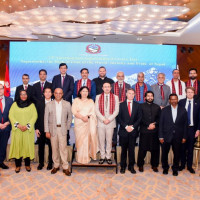
The workshop, chaired by Pritika Basnet, Koshi Province Coordinator of Kathmandu University School of Education, saw notable participation from educationists, principals and teachers from private and community schools, representatives of educational organisations, and activists working in the field of disability rights from Jhapa, Morang, Sunsari, and Kathmandu districts.
Participants were hopeful, confident and concerned about the real practice and implementation of inclusive education effectively and purposefully at school level education.
-original-thumb.jpg)