- Saturday, 6 June 2026

Health Minister calls for shift to prevention as NCD treatment costs surge

By Mahima Devkota, Kathmandu, Jan 12: Minister for Health and Population Dr Sudha Gautam on Sunday stressed the urgent need to prioritize prevention of non-communicable diseases (NCDs), warning that rising treatment costs are placing a heavy financial burden on the government.
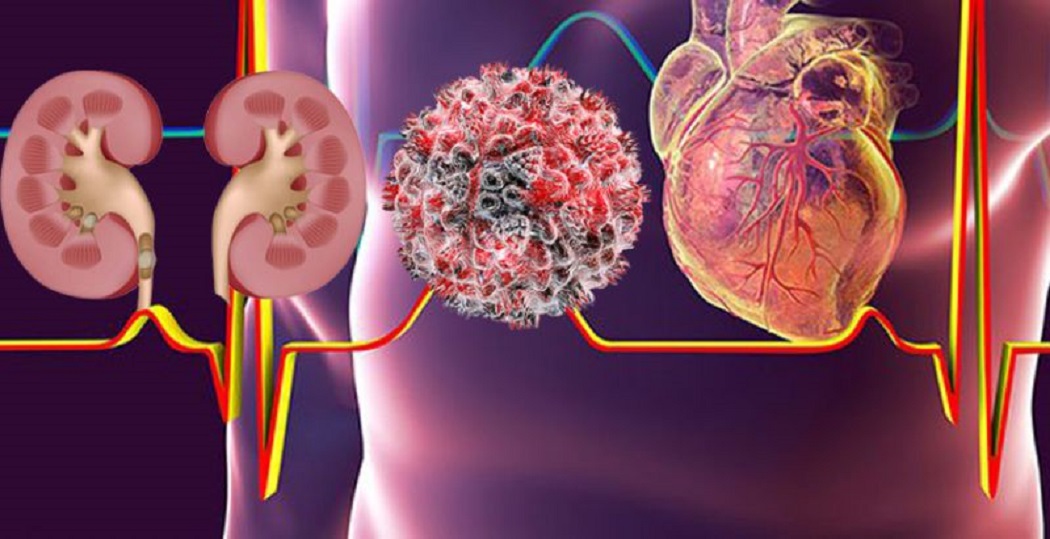
Speaking at the South East Asia Regional Conference on NCDs and Mental Health: Strengthening Accountability Post-UNHLM 2025, organized by the SEAR NCD Alliance in Kathmandu, Dr Gautam said NCDs, such as cancer, heart issues, account for the largest share of the health ministry’s expenditure, but most of the spending is directed toward treatment rather than prevention.
“Billions of rupees are spent annually on treating diseases such as cancer and heart disease, while preventive programs remain weak. This imbalance has strained health resources,” she said, adding that poor implementation of preventive NCD budgets has worsened the situation.
Dr Gautam said strengthening prevention could significantly reduce long-term costs and improve public health outcomes.
The minister also pointed to disparities in healthcare access, noting that while urban areas have relatively prompt services, rural and poor populations continue to face barriers.
She said the government is working to address this by redistributing health workers to ensure equity.
“There is a high caseload in some areas and a surplus of health workers in others. Redistribution is being carried out with equity as the focus,” she said.
On health insurance, Dr Gautam said expenditures have exceeded allocations. “Although the health insurance budget is Rs 11 billion, spending has reached Rs 23 billion,” she said, adding that the government plans to separate basic health services from insurance coverage, limiting insurance to referral care.
She also acknowledged weaknesses in the health insurance IT system, saying it currently lacks the capacity to distinguish legitimate claims from fraudulent ones.
Addressing mental health, Dr Gautam said efforts are underway to integrate mental health more firmly into national health policies and programs.
Mental Health an ‘Unseen Epidemic’: KMC Deputy Mayor
Deputy Mayor of Kathmandu Metropolitan City (KMC) Sunita Dangol described mental health as an “unseen epidemic” and emphasized that it should be treated as a central component of the NCD response.
“Commitments alone do not save lives. Implementation at the community level is what brings change,” she said, stressing that resources remain disproportionately low compared to the growing NCD burden.
Dangol said KMC has invested significantly in health services, including the establishment of urban health centers in 32 wards—nearly 50 percent of its target. “We are expanding free primary care services by linking them with hospitals,” she said.
She added that KMC is prioritizing preventive approaches such as public awareness, healthy lifestyles, food safety, yoga, and meditation.
Dangol highlighted the strong link between mental health, NCDs, and social determinants such as poverty, unemployment, urban stress, gender inequality, and climate vulnerability, calling for a multi-sectoral and decentralized approach.
“Mental health cannot be treated as a soft issue. It requires policy courage,” she said, adding that KMC is ready to lead discussions to ensure healthcare reforms are felt on the ground.
Call for Accountability Beyond Politics
SEAR NCD Alliance Secretary Dr Manita Pyakurel said the key outcome of the conference was the need to strengthen accountability mechanisms for NCD commitments.
Linda Senk Markova, Representative, NCD Alliance Geneva, stressed that NCD implementation must rise above political interests to bring tangible change. “Our focus is securing financial commitments and turning policies into real improvements in people’s lives,” she said.

-square-thumb.jpg)




-original-thumb.jpg)