- Saturday, 6 June 2026

UN holds high-level PSEAH workshop
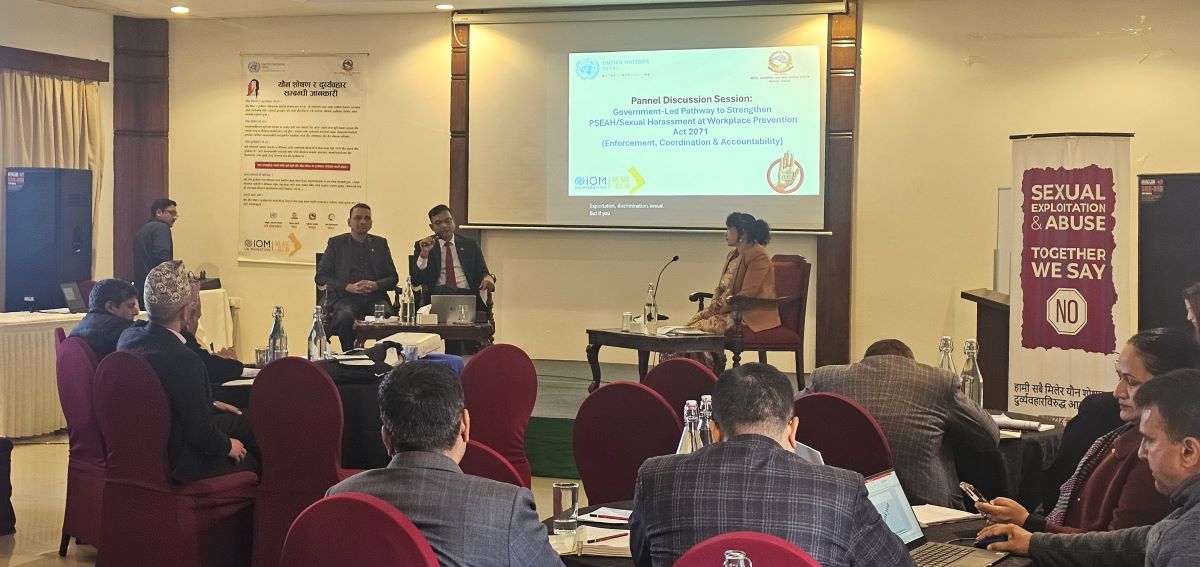
By TRN Online, Kathmandu, Jan 6: The United Nations in Nepal is advancing efforts to embed survivor-centered protection from sexual exploitation, abuse and harassment across government institutions, strengthening prevention, accountability and coordination.
As part of this effort, UN Nepal, through the UN
PSEA Working Group, convened a high-level PSEAH workshop for Joint Secretary
from across the Government of Nepal, in collaboration with the Ministry of
Women, Children and Senior Citizens and with funding support from the International
Organization for Migration (IOM) on 26 and 27 December 2025, according to a
press release issued by the UN office in Nepal.
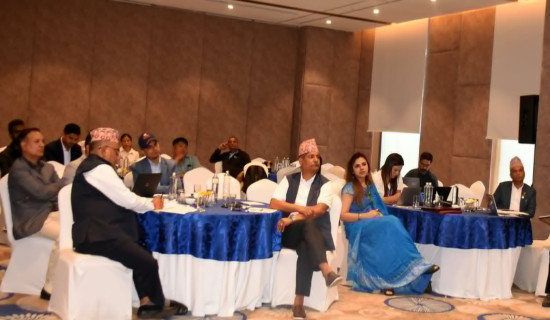
The workshop brought together more than three dozen
senior government officials and UN agencies to strengthen collective
understanding of PSEAH and to translate policies into practical, operational
actions.
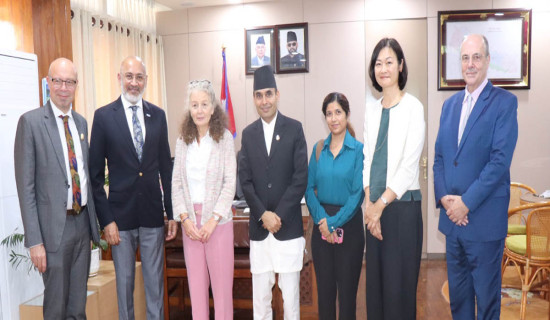
Opening the workshop, Hanaa Singer Hamdy, the United
Nations Resident Coordinator in Nepal said, “The urgency of this work is clear.
Sexual exploitation, abuse and harassment disproportionately affect women and
girls, undermine trust in institutions, weaken service delivery, and ultimately
erode social and economic resilience. Addressing these risks is central to
Nepal’s national priorities—accelerating the SDGs, strengthening accountability
and transparency, and ensuring social protection systems genuinely safeguard the
most vulnerable.” She added, read the press release.
Justice Sapana Pradhan Malla encouraged ministries
to identify clear entry points for integrating PSEAH into operational
frameworks. She further urged participants to develop practical recommendations
with clearly defined roles, timelines, and accountability mechanisms.
Women’s rights activist and UN Convention on the
Elimination of All Forms of Discrimination against Women (CEDAW) Committee
Member, Bandana Rana underscored the importance of aligning UN mechanisms with
state responsibilities and national priorities, while strengthening
transparency and accountability across public institutions.
Participants identified practical entry points to
integrate PSEA and the Sexual Harassment at Workplace (Prevention) Act into
sectoral planning, institutional procedures and local-level service delivery,
with a focus on prevention, clear reporting pathways and survivor-centered
responses.
A panel discussion led by Dr. Krishna Hari Pushkar,
Secretary at the Ministry of Labour, Employment and Social Security, and
Parashwor Dhungana, Secretary at the Ministry of Law, Justice and Parliamentary
Affairs, highlighted existing strengths within government policies and
institutional frameworks, including critical gaps in addressing SEAH risks
faced by migrant workers across different stages of migration.
Building on Nepal’s national legislation
particularly the Sexual Harassment at Workplace (Prevention) Act 2071, the
workshop focused on strengthening PSEAH systems in practice by embedding
safeguards into staffing arrangements, institutionalizing training, and
expanding community-based complaints, safe and accessible reporting, and victim-centered
response mechanisms, read the press release.