- Sunday, 3 May 2026

Participatory Polls

The Election Commission (EC) is sparing no effort to hold the general election slated for March next year in a fair, free and fearless atmosphere. The polls are taking place two years ahead of schedule, following the Gen Z movement in September that led to the overthrow of the KP Sharma Oli government. The elections carry special significance in the political history of the country. Every election conducted following the political movement institutionalise the ideas and agenda it has raised. The Gen Zers had strongly voiced for digital freedom and clean government. The protesters came to the streets under the anti-corruption banner. They put forth genuine demands as the country has been plagued by corruption scams one after another.
To create a clean government, would-be representatives of parliament should be the ones who have maintained financial integrity and a good track record. The voters should be aware that controversial and unpopular candidates must not get a chance to set foot in the parliament halls. Here is the role of Gen Zers, civil society and media to expose those candidates implicated in corruption and criminal offences. We can take a cue from other countries. In the early 2000s, the civil society members launched a campaign against corrupt persons who stood in the polls. As a result of their anti-corruption drive, most of the corruption-tainted candidates lost the elections. This presents a good example of how civic awareness helps elect competent and sincere persons, and prevents the corrupt and demagogues from reaching decision-making platforms.
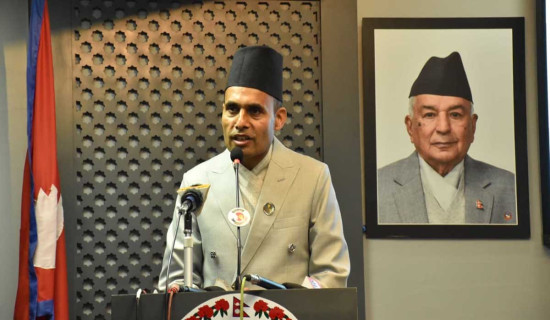
The upcoming polls provide an opportunity to send the right deputies to the House of Representatives, the high seat of elected representatives. A large number of political parties have shown enthusiasm to join the fray, which is a positive indication for our republic still reeling from instability. Against this backdrop, the government and EC have put their best foot forward to make the polls inclusive, participatory, free and fear-free. The other day, the EC officials and ministers underlined the need for effective voter education, representation of women and persons with disabilities, coordination among stakeholders, and the timely use of established electoral systems, according to a news report of this daily.
To ensure the ownership of the system, people from all walks of life must participate in the polls. Only inclusive and participatory elections consolidate democracy. Now the suspicions regarding the polls must be allayed and focus should be on how to create an environment conducive to the fair polls. It is equally important to involve women and persons with disabilities in the electoral process. But the practice of involving the children in the poll campaigns of the parties must be discouraged. The concerned stakeholders should ramp up voter education and awareness drives, which hold potential to reduce various anomalies during the election.
Election is a vital component of a democratic polity. It gives impetus to the system by supplying fresh ideas and people into it. It enables people to choose their leaders of their choice. Those who fail to keep their electoral promises are punished by the discerning voters. Civic engagement is crucial to make the upcoming polls meaningful. Public inaction gives the incompetent a field day. The informed participation checks the erosion of democratic values. This is a reason why Plato warns against the public indifference to politics. He says, "One of the penalties of refusing to participate in politics is that you end up being governed by your inferiors.”