- Friday, 8 May 2026

Vegetable price hiked due to monsoon
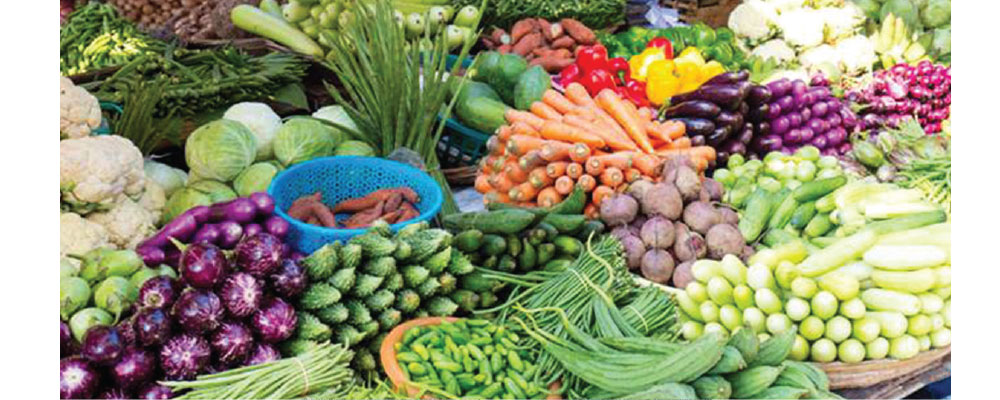

BY SANTOSH SUBEDI,Pokhara, July 9: Vegetable prices have skyrocketed with the onset of the monsoon. The price of tomatoes which was Rs. 55 per kilogram a week ago, has now reached Rs. 109 per kilogram. Likewise, the price of string beans has increased to Rs. 200 from Rs. 130 per kilogram. Meanwhile, the price of cauliflower and cabbage has only increased slightly. Due to this overall increase in vegetable prices, the cost of living for consumers has significantly risen.
Rupa Dahal, a planning assistant at the Agricultural Produce Market Management Committee in Pokhara's wholesale vegetable market, said that the price of vegetables had been rising with the rainy season. She said, "With the rain, the price of vegetables coming from outside increases. The vegetables produced in Kaski are not enough. Vegetables brought from the highway face higher transport charges due to landslides during the rainy season. The prices will not drop until the rain stops.”
According to Dahal, the price of vegetables rises during monsoon season (mid-June to mid-August) and during Dashain and Tihar (October and November). She said, “Local agricultural production is very low. After the rainy season ends, the lack of immediate winter vegetable production causes the increase in price during festive season.” She said that 90 per cent of tomatoes in Kaski come from Kathmandu.
She informed that although the price of some vegetables had significantly increased, it had not been the same for fruits.
According to Dahal, vegetables and fruits are brought to Pokhara from Dhading, Chitwan, Sarlahi and Tanahun. Later these fruits are distributed to places like Mustang, Beni and Syangja. She said that vegetables like spinach and carrots were brought from Mustang during the season.
Meanwhile, consumers have complained that they had to pay higher prices because traders were keeping higher profit margins, resulting in both farmers and consumers being cheated.
Pabitra Pokhrel, a resident of Malepatan in Pokhara, said that it had been difficult to manage daily expenses on a fixed income due to the rise in vegetable prices. She asked, "With such high vegetable prices, how can we feed our children green vegetables?" She said that the rise in vegetable prices had caused significant distress for consumers.