- Sunday, 10 May 2026

Bangladeshi youth aspire for stable future as nation goes to vote
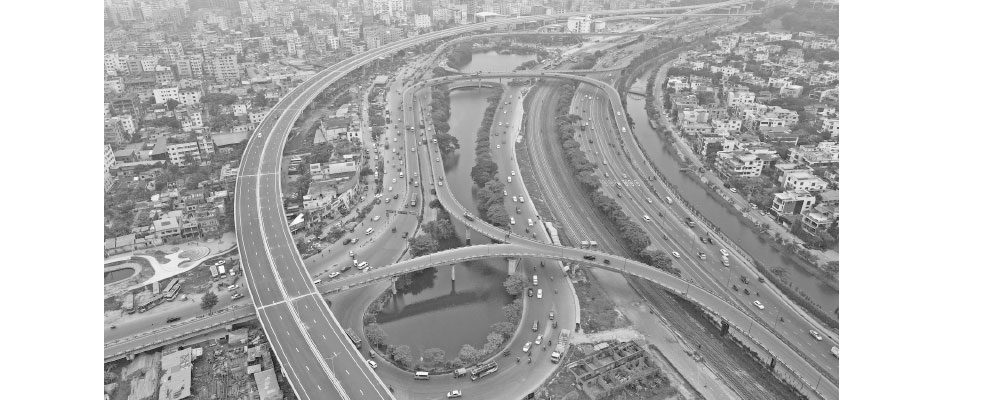

Dhaka, Jan. 5: At a technology center in Bangladesh's capital, young women huddle around a computer, discussing a coding issue. Many of them make the daily trip to Dhaka on the shining new metro rail while scouring their smartphones for the latest on social media.
For decades, political battles in Bangladesh have been fought on the streets, often with violence, by parties led by two powerful women. But there are signs of a generational change as the country of 169 million heads into another general election Sunday.
While an opposition boycott and acrimony tarnish the polls, millions of young voters are seeking a different narrative. A burgeoning technology industry, lively e-commerce and a growing public digital infrastructure are helping one of South Asia's fastest growing economies capitalize on a tech-savvy workforce that is demanding change from politicians.
Ahead of the election, boycotted by the main opposition led by former Prime Minister Khaleda Zia, Prime Minister Sheikh Hasina is trying to woo first-time voters with her government's "Digital Bangladesh" project, promising a "smart Bangladesh" by 2041 and 15 million new jobs for young people by 2030.
In an address at a large election rally outside Dhaka on Saturday, Hasina asked young voters for their support "so that the advancement of Bangladesh continues."
Some are listening. Shahrima Tanjin Arni, 26, who teaches law at Dhaka University, called Hasina a bold leader with a vision for a digital future.
"She holds the values of the past, but at the same time, she has a progressive thinking in her progressive heart, which is not very common in Bangladeshi societies," Arni said.
The previous two general elections were marred by allegations of vote-rigging and intimidation, which authorities denied. Hasina, seeking a fourth consecutive term, pledges a free and fair election. But her critics allege she is undermining the process for an inclusive election and suppressing the opposition, which Hasina blames for violence.
Younger voters say they want a break from the highly polarized political culture and concerns over democratic rights.
"My desire is that … people of Bangladesh will freely exercise their voting right, their freedom of speech will be ensured and the justice system will work independently," said Abdur Rahim Rony, a student at Dhaka University. "I also wish that no political party or the government will interfere with the constitutional institutions."
One-fourth of the country's population is in the 15-29 age group, according to the Bangladesh Bureau of Statistics. Almost one-third of the country's 119.1 million registered voters are between 18 and 30. An October survey by the Bangladesh Citizen's Platform for SDGs, or sustainable development goals, conducted online and involving 5,075 people aged 18-35, found that 69% of young people in Bangladesh considered corruption and nepotism as the main obstacles to development as the country sheds its least-developed economic status and grows into a middle-income developing country.
"We don't want any chaos on streets or violence. When I will finish my study, I wish to do a job or start my own business peacefully," said 20-year-old Raul Tamjid Rahman, a first-time voter and computer science student at Brac University in Dhaka. "It's a call from our generation to our politicians and policymakers."
The telecom boom in Bangladesh began in 1997 when Hasina issued free licenses to three operators to run the mobile phone sector. It was a key chance for global companies to invest in one of the world's most densely populated countries.
"The expansion of digital economy is a miracle that is bringing changes to the economic landscape, with young people at the helm," said Abu Saeed Khan, a senior policy fellow at the Sri Lanka-based think tank LIRNEasia. (AP)