- Sunday, 10 May 2026

Nevada tribe says coalitions will protect sacred sites

Reno, Nev., Dec. 28: The room was packed with Native American leaders from across the United States, all invited to Washington to hear from federal officials about President Joe Biden's accomplishments and new policy directives aimed at improving relationships and protecting sacred sites. Arlan Melendez was not among them.
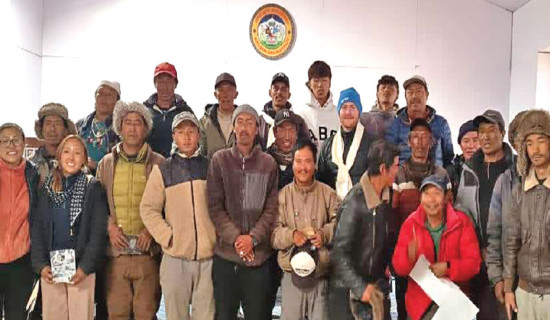
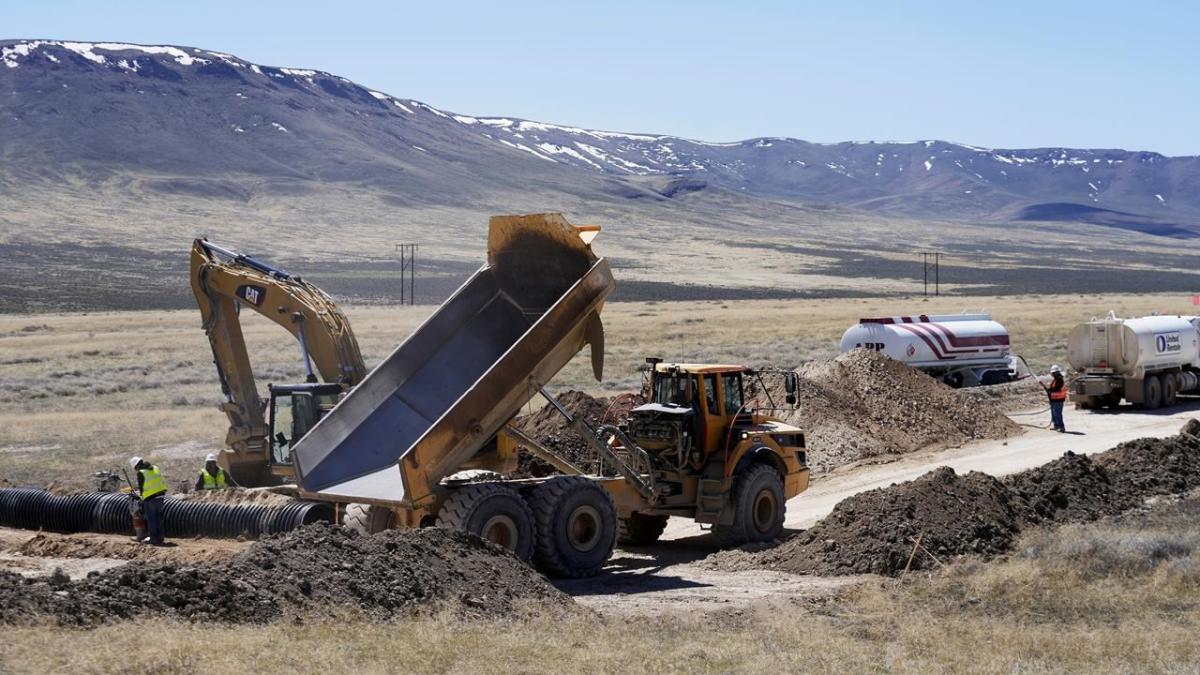
The long-time chairman of the Reno-Sparks Indian Colony convened his own meeting 2,500 miles (4,023 kilometres) away. He wanted to show his community would find another way to fight the U.S. government's approval of a massive lithium mine at the site where more than two dozen of their Paiute and Shoshone ancestors were massacred in 1865.
Opposed by government lawyers at every legal turn, Melendez said another arduous appeal would not save sacred sites from being desecrated.
“We’re not giving up the fight, but we are changing our strategy,” Melendez said.
That shift for the Nevada tribe comes as Biden and other top federal officials double down on their vows to do a better job of working with Native American leaders on everything from making federal funding more accessible to incorporating tribal voices into land preservation efforts and resource management planning.
The administration also has touted more spending on infrastructure and health care across Indian Country.
Many tribes have benefited, including those who led campaigns to establish new national monuments in Utah and Arizona. In New Mexico, pueblos have succeeded in getting the Interior Department to ban new oil and natural gas development on hundreds of square miles of federal land for 20 years to protect culturally significant areas.
But the colony in Reno and others like the Tohono O’odham Nation in Arizona say promises of more cooperation ring hollow when it comes to high-stakes battles over multibillion-dollar “green energy” projects. Some tribal leaders have said consultation resulted in little more than listening sessions, with federal officials not incorporating tribal comments into the decision making.
Rather than pursue its claims in court that the federal government failed to engage in meaningful consultation regarding the lithium mine at Thacker Pass, the Reno-Sparks Indian Colony will focus on organizing a broad coalition to build public support for sacred places.
Tribal members are concerned other culturally significant areas will end up in the path of a modern day Gold Rush that has companies scouting for lithium and other materials needed to meet Biden's clean energy agenda.
Melendez was among those thrilled when Biden appointed Deb Haaland to lead the Interior Department. A member of Laguna Pueblo, Haaland is the first Native American to serve as a cabinet secretary.
Melendez, a former member of the U.S. Human Rights Commission who has led his colony for 32 years, said he understands the difficulty of navigating the electoral landscape in a western swing state where the mining industry's political clout is second only to the power wielded by casinos. (AP)