- Tuesday, 9 June 2026

Villagers barter rice for drinking water
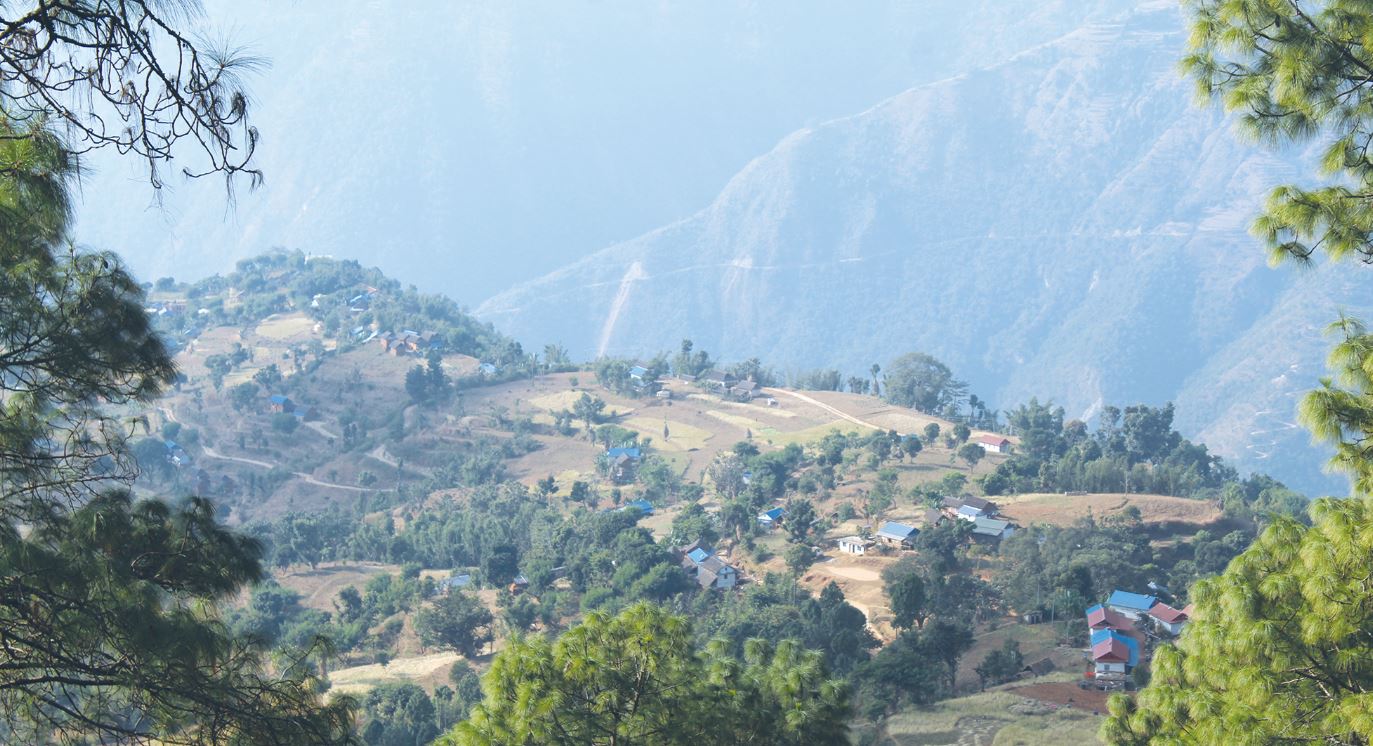

By Rajkumar Bhattarai, Khotang, Nov. 24: It has been five years since the households in four settlements in Mangaltar, an area in Ward No. 6 of Halesi Tuwachung Municipality of Khotang district, have been exchanging drinking water with rice paddies.
There are around 50 households in Damai Danda, Barbot (Magar Village), Karki Village and Raut Village in Mangaltar.
“We, all families have been collectively providing 30 sacks of rice annually to the owner of a water source for using water since 2018,” said Tirtha Bahadur Karki, a local.
Karki informed that the water is provided to the villagers through three taps installed in Damai Danda, Barbot and Karki Village. Villagers either come to the tap to fetch water or use a pipe to carry water to their houses.
The water source is located at the land of Jas Bahadur Rai in Durchhim, a village in Ward No. 5. Around five-kilometre-long pipe has been installed to bring the water to Mangaltar from Durchhim.
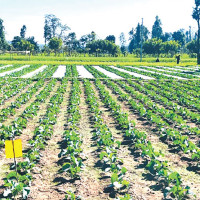
“Rai used to plant rice around the water source. Since we were suffering from water shortage, an agreement was reached to provide an equal quantity of rice that would have been produced by Rai in exchange of the water,” locals informed.
Mekh Bahadur Thapa Magar, a local who uses the water brought from Rai’s field, informed that the lack of a proper drinking water service forced the villagers to exchange water with rice.
Since the water exchange began, around five ropanis of the land owned by Rai have now turned into a forest.
The water brought from two sources in the field of Rai is stored in the tank of an under-construction drinking water project’s distribution line constructed in Mangaltar. Since the project was left incomplete, the villagers have utilised its tank.
“Water trickles down in the three taps from 6 am to 1 pm daily. We store the water in drums and every possible hollow utensil for regular use,” said Lal Kumar Darji, a local.
“It is not convenient to store and use water. However, it is better than having to walk for around two hours to fetch water from a well,” added Darji.
Locals informed that they had signed a five-year written agreement for utilising the water at the end of 2017. “We gave 30 sacks of rice in the first year without using the water as there was no infrastructure. The budget allocated by the local government was not enough. Water came to the villages only after the pipeline was laid in April 2018,” said Karki.
The five-year agreement ended last year and the locals again signed a new 10-year agreement to utilise the water.
“In the earlier agreement, rice worth Rs. 50,000 was handed over to the owner of the water source every year. As per the new agreement, we need to provide rice worth Rs. 80,000 a year,” said Karki.
The villagers have also employed an individual by paying Rs. 12,000 annually to repair any damages in the pipeline and water source.
Until 2009, a tap constructed by an international organisation provided Timure’s water to the villagers. However, it was damaged after a road was constructed near the water source.
Halesi Tuwachung Municipality has also been declared a dry area by the government. There is a problem of drinking water in the majority of villages in the municipality.
A big drinking water project is being constructed under Rs. 1 billion to pump water to the municipality from the Dudhkoshi River. However, the project has not been completed in time and the deadline has been extended time and again.

-original-thumb.jpg)