- Thursday, 23 April 2026

For Citizens' Wellbeing
TikTok, a platform well-known for its short-form videos, has become a hot topic in a global discussion. Following the global trend, the government recently decided to ban it. Concerns on how the platform would affect social cohesion, national security and personal wellbeing are at the core of this decision. The decision to ban TikTok in Nepal echoes a global reaction, with various countries like the UK, the US, Canada, Kyrgyzstan, and others imposing partial or complete bans for reasons spanning from child exploitation to cyber threats. The ban in Nepal, however, probes into specific issues such as the platform's misuse during exams, negative influence on the younger population, and the spread of explicit and unethical content. At the heart of this decision is the concern for societal values and individual wellbeing. The algorithm-driven content on TikTok, while aiming to keep users engaged, has inadvertently led to a surge in disputed content. Some users share explicit content and unsafe things during live broadcasts.
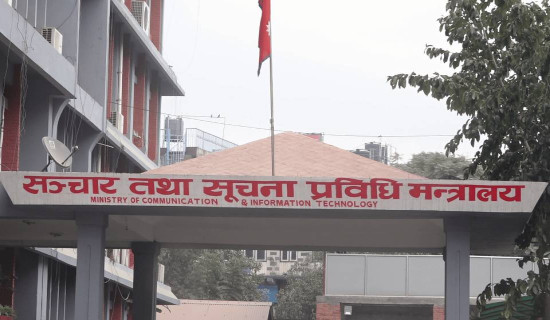
The platform has seen more dangerous pranks, illegal ads, and other unlawful actions. People make TikTok videos with content that turns against morals and social norms. There have been cases where individuals faced fatal consequences while attempting to make content in hopes of being viral and getting more shares. The negative impact of TikTok, particularly among the vulnerable age group of 12 to 24, justified the government's decision. The ban also serves as a call for responsible use of digital platforms, especially in the absence of specific laws governing social media in Nepal. This highlights the need for comprehensive legislation to address the challenges posed by these platforms, ensuring a balance between technological advancements and societal welfare. The Ministry of Communication and Information Technology (MoCIT) cites the challenge of regulating real-time content on TikTok and the platform's failure to promptly remove violating content as primary reasons for the ban.
Unlike other social networks, TikTok struggles to eliminate real-time content effectively, especially since live videos are often recorded and shared on other platforms. Moreover, the government asserts that the ban is essential to maintain social harmony and citizen safety, as TikTok's inability to safeguard data poses a threat to national sovereignty. Privacy violations have become a significant concern, leading to the conclusion that the ban is a protective measure to maintain the wellbeing of citizens. Public opinion on the ban in Nepal is divided, with the Ministry pointing out the negative consequences such as increased health-related issues like insomnia, anxiety, and depression and the potential for criminal activities influenced by TikTok content.
The app has been implicated in incidents that disrupted communal harmony and violated individual privacy, prompting concerns about its impact on customs, culture, and social harmony. However, amidst this discourse, it is crucial to recognise the delicate balance between the freedom of digital connectivity and the responsibility to ensure societal wellbeing. While the ban on TikTok may face criticism and support in equal measure, it undeniably signifies a proactive step of government in addressing the adverse effects of the platform on social harmony, national values, and individual wellbeing. The TikTok ban in Nepal makes us think carefully about how social media affects our society, stressing the importance of using it responsibly.



-original-thumb.jpg)