- Sunday, 10 May 2026

Suaahara II improves nutritional status of mothers, children
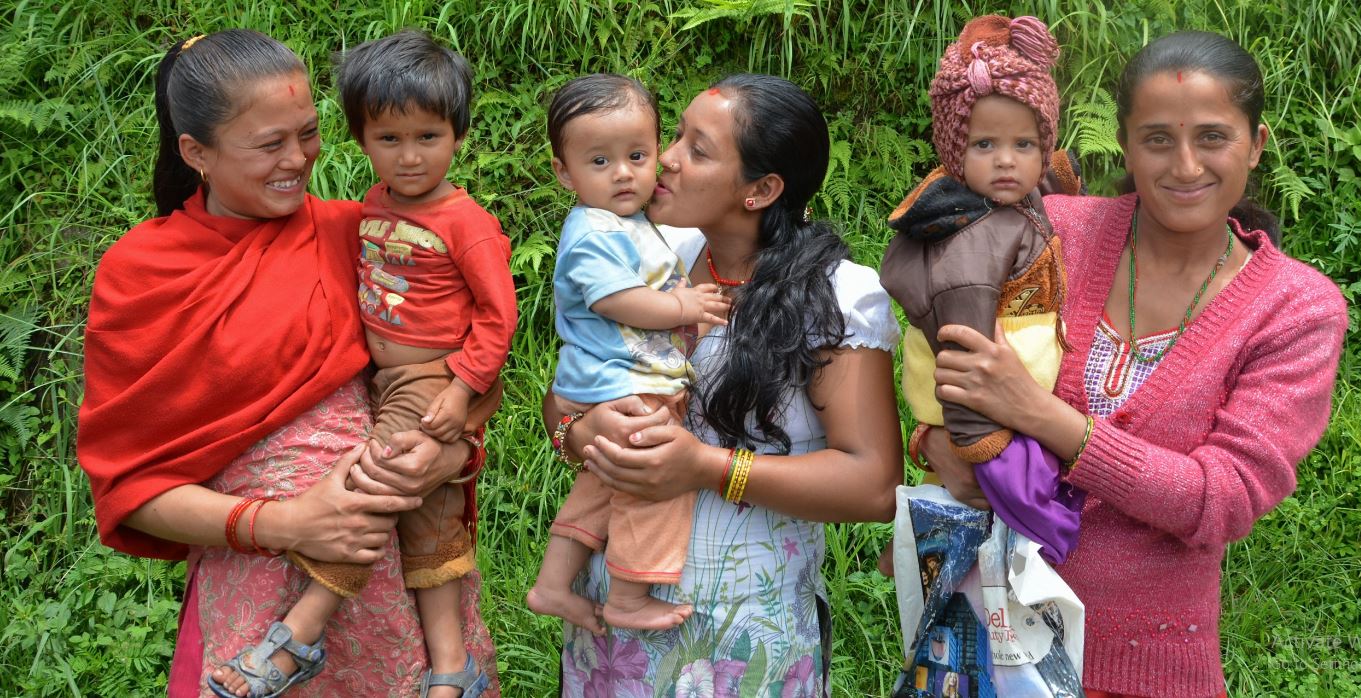

By A Staff Reporter,Kathmandu, Nov. 10: USAID’s investment in nutrition through the Suaahara II 'Good Nutrition' activity has resulted in improved nutritional status of mothers and children in Nepal, the project informed at the final dissemination programme organised Wednesday in Lalitpur. In the programme, the project disseminated the accomplishments and insights of USAID’s flagship nutrition initiative, Suaahara, which spanned from 2011 to 2016, and its successor Suaahara II from 2016 to 2023.
Suaahara II, USAID Nepal’s flagship, multisectoral nutrition activity, is the USAID’s largest activity in Nepal in terms of geographic coverage and budget, implemented over seven years with a total estimated cost of $91.4 million and in 42 districts. It covered all 389 municipalities in 42 of Nepal’s 77 districts. Minister for Health and Population, Mohan Bahadur Basnet, commended Suaahara’s substantial contribution in enhancing the nutrition of women and children in Nepal.
“The findings corroborate the data of the recently released Nepal Demographic Health Survey. It is interesting that Suaahara also contributed to improving exclusive breastfeeding, which is decreasing in other parts of the country, and poses a new challenge to improving the nutrition of future generations,” he said.
"Through the implementation of evidence-based interventions in alignment with the Government’s national Multi Sectoral Nutrition Plan, Suaahara II has successfully reshaped dietary habits and critical nutrition practices of Nepalis," said Karen Welch, USAID’s Acting Mission Director.
According to the project, an independent impact evaluation has shown that families in Suaahara-supported districts exhibited marked improvements in breastfeeding and complementary feeding practices compared to other districts. Children and mothers residing in Suaahara-supported districts are now consuming diverse nutritious food, and mothers are attending ante-natal care visits and consuming nutritional supplements that are key to ensuring their health and that of their babies.
These improvements in feeding and care practices have contributed to a decline in maternal underweight, which is linked with a lower risk of complications during pregnancy and birth, and an improvement in infant length with associated reduced risk of non-communicable diseases, read a note from the project.