- Monday, 11 May 2026

HKH: Urgent action needed as climate-driven disasters surge
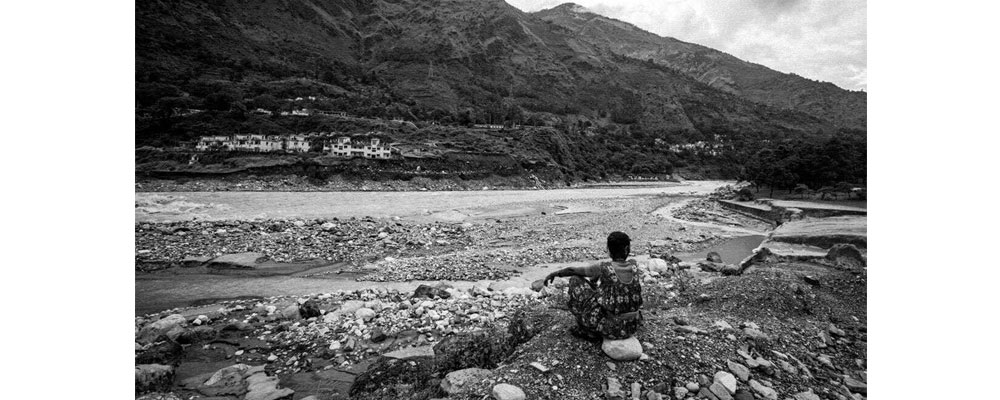

By A Staff Reporter,Kathmandu, Oct. 14: In a stark revelation, the economic toll of climate-induced calamities has been quantified for the first time, costing humanity USD 16 million an hour over the past two decades.
“The impact has been devastating, with two-thirds of these costs attributed to the loss of lives and the remaining to property and assets,” said Dr. Pema Gyamtsho, Director General of the International Centre for Integrated Mountain Development (ICIMOD).
Giving a message on the International Day for Disaster Risk Reduction (IDDRR), he said that the Hindu Kush Himalaya (HKH) region is closely familiar with these losses, as families in this region have tolerated the brunt of climate-induced disasters.
“IDDRR serves as a poignant moment for reflection, as scientists, policymakers, and families confront the profound human and economic costs of this year's monsoon and rising global temperatures,” said Dr. Gyamtsho.
As the United Nations Office for Disaster Risk Reduction forecasts a surge in climate-driven disaster, adding 37.6 million people to extreme poverty annually. The region grapples with the awful reality that it's a hotspot for various risks, from extreme rainfall to cryosphere changes, heat waves, droughts, and toxic air, according to Dr. Gyamtsho.
The urgency to bridge the gap between science, policy, and action and realise universal early warning systems is paramount. “Efforts are needed to raise awareness among donors about the region's substantial exposure to risk, both in terms of the number and scale of hazards and the population impacted.
The Adaptation Fund, the Green Climate Fund, and the Children's Investment Finance Fund must expedite funding to the region, and compensation mechanisms need to be set in motion,” he said.
ICIMOD commits to promoting data-sharing for disaster preparedness, and educating policymakers while equipping communities with innovative technologies and expanding community-based flood early warning systems.
Recognising the inequality in hazard exposure worldwide and the disproportionate impact on women and vulnerable groups, ICIMOD pledges to fight this disparity by mobilizing resources to build resilience in the region, placing these vulnerable groups at the centre of their strategies.
“The call for early warning systems for all is more urgent than ever in the countries that stretch through Hindu Kush Himalaya,” said Dr. Gyamtsho.