- Wednesday, 3 June 2026

Japan govt makes final plea to fisheries for Fukushima plant water release
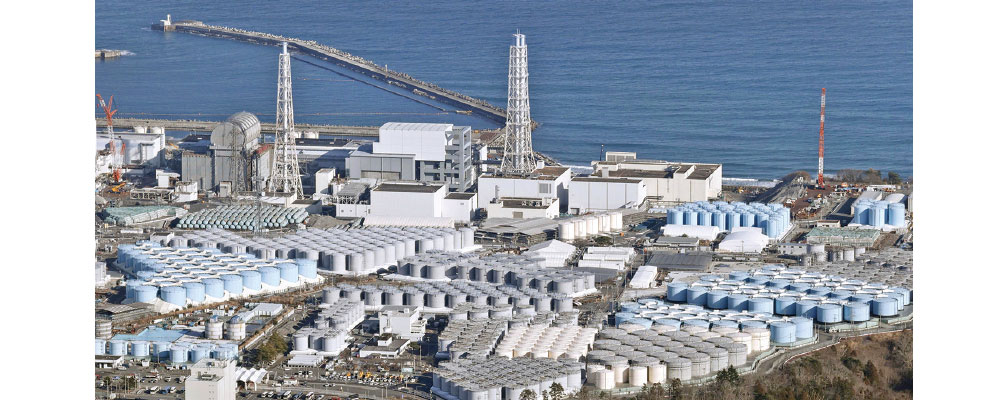

Tokyo, Aug. 22: Japanese government officials sought understanding from fisheries groups Monday for the impending release of treated radioactive wastewater from the wrecked Fukushima nuclear plant into the sea and pledged to support their livelihoods throughout the process that will take decades.
Economy and Industry Minister Yasutoshi Nishimura met with the head of the National Federation of Fisheries Cooperatives and promised that the government is doing everything it can to ensure the safety of the release and prepared measures to protect the fisheries industry's reputation.
Nishimura told the fisheries official, Masanobu Sakamoto, that the water release is essential for the plant decommissioning and Fukushima's recovery and can't be postponed. He also said the government will stand by the concerns and needs of the fisheries community until the release ends decades later.
Sakamoto, at the outset, stressed that his organization as a whole remains opposed to the release, but he said members of the fishing community have gained some confidence about the safety following recognition by the International Atomic Energy Agency report and explanations by government officials in recent weeks, signalling easing of their position.
Their meeting paves the way for Prime Minister Fumio Kishida’s planned meeting later Monday with Sakamoto, a crucial step in which Kishida is to convey his government's commitment to carry out the release safely and to support the livelihoods of the fishing communities.
The government announced the release plan two years ago and has since faced strong opposition from Japanese fishing organizations, which worry about further damage to the reputation of their seafood as they struggle to recover from the 2011 earthquake, tsunami and nuclear disaster. Groups in South Korea and China have also raised concerns, turning it into a political and diplomatic issue.
The date when the water release will start is expected to be decided at a meeting of key Cabinet ministers as early as Tuesday. It is widely expected to start at the end of August.
The government and TEPCO say the water must be removed to make room for the plant's decommissioning and to prevent accidental leaks from the tanks because much of the water is still contaminated and needs further treatment. (AP)
-original-thumb.jpg)