- Wednesday, 27 May 2026

World Hemophilia Day-2023 observed
.jpg)
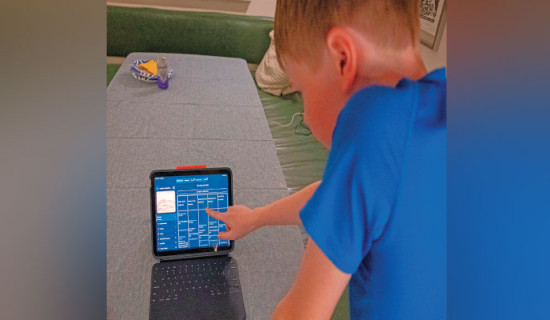
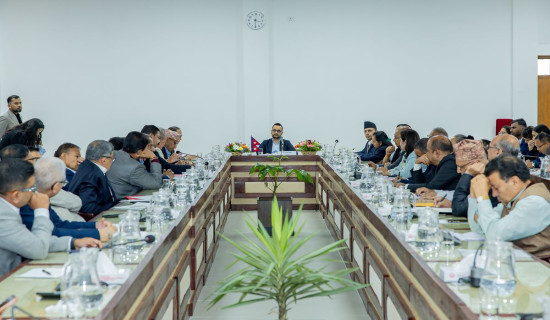
World Hemophilia Day-2023 being observed in Kathmandu. Photo: Chhetu Sherpa

Kathmandu, April 17: World Hemophilia Day was observed in Nepal by organising various public awareness programmes today.
This year the Day was observed with the theme of “Access for All: Prevention of Bleeding as the global standard of Care”. April 17 each year is marked as World Hemophilia Day.
According to the 2078 BS national census, the number of people living with haemophilia is 4,937 while 814 have been associated with the Nepal Hemophilia Society.
Society Chair Mukundamani Ghimire stressed the need of searching for those living with haemophilia who are yet to come into contact with Society as they need special care and treatment to reduce risks for life due to unexplained and excessive bleeding at any time of life.
The Society defines haemophilia is an inherited rare bleeding disorder, occurring predominantly in males, in which blood does not clot normally because the body does not produce sufficient blood clotting factors. The condition is genetically inherited.
"Hemophilia occurs in about 1 of every 5,000 male births," the World Health Organisation says.
As doctors say, Hemophilia is categorized as Hemophilia A and B, and such disorders are caused by factor VIII and factor IX protein deficiency. The situation is classified into three degrees: mild, moderate and severe.
Civil Service Hospital Prof Dr Bishesh Poudyal said most cases of Hemophilia in Nepal are related to Hemophilia 'A'. This is generally transmitted to a male child from the mother. But the woman is also at risk of carrying this hereditary health problem.
If a woman bleeds severely during menstruation, she may have mild haemophilia and needs a timely medical test and intervention, according to him.
Dr Poudyal who is also a member of the World Federation of Hemophilia Board said the people with haemophilia have a higher risk of internal bleeding.
Black and blue marks on the skin and excessive swelling and pain after vaccination are also results of haemophilia. Bleeding into joints, elbow, knee and ankle, without any injury causing joints swelling, pain and tightness is the consequence of haemophilia. Individuals with haemophilia are at severe risk of prolonged post-operative bleeding. They suffer excessive bleeding from an injury, cuts, surgery and dental work.
Brain haemorrhage, gastrointestinal bleeding and bleeding from the rectum are the symptoms of haemophilia and the conditions require timely medical intervention. This is typically carried out by injecting clotting factor concentrates into the body.
Lately, the situation is not only manageable but also curable and it is done by the use of anti-hemophilic factors.
"We are in the process of launching the gene therapy in collaboration with the St. Jude Hospital for the treatment of Hemophilia B. The research shows the gene therapy in case of haemophilia is potential for preventing the patient from suffering bleeding till the 30 years of its use," said Dr Poudyal who sees the need for medical care, counselling, physiotherapy and gene transplantations for haemophilia patients so as to ease their living. (RSS)