- Wednesday, 27 May 2026

Historic mint site seen as key to tourism growth

By Kokila Bhandari, Dhankuta, May 27: Improving public access to the historic mint site in Dhankuta could significantly support the success of the government’s Tourism Year 2082 BS (2025) campaign, according to local stakeholders and heritage experts.
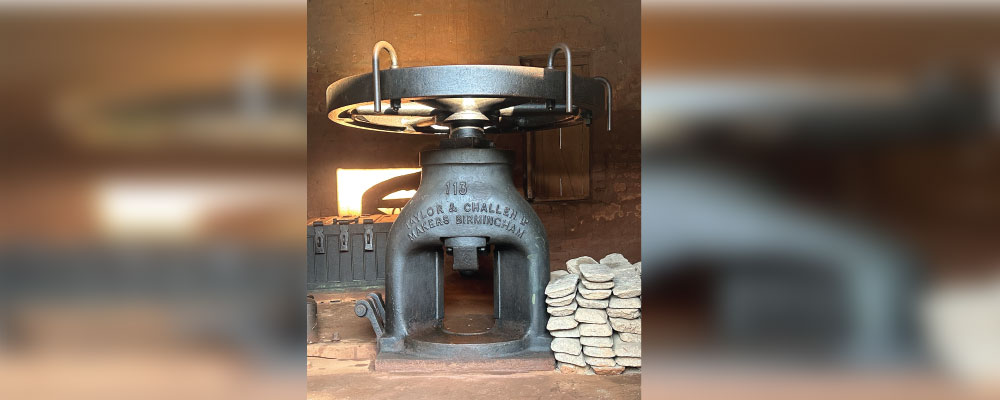
The old coin minting machine, locally known as “Dhyak”, along with materials used to produce coins and the mint house itself, still remain preserved in Dhankuta. Despite its historical importance, experts said that there has been very little research and promotion of Nepal’s coin production history.
Dhankuta is home to several historical, archaeological and religious sites, including the caves of Panchakanya Devi, Dakshinkali Temple, Chhintang Devi Temple, Nishan Bhagwati Temple, Namaste Waterfall in Bhedetar, Pathibhara Temple, Shankheshwar Mahadev, Kali Waterfall, Ranitaal and several monasteries and shrines.
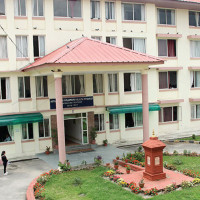
Many people might be surprised to learn that coins were once minted in Dhankuta during the Rana regime. Historical records show that a mint operated in the area where the Bhimdal Battalion Salleri Barracks now stands. At the time, Dhankuta served as an important administrative centre in eastern part of the country.
The minting machine was powered by water and the mint house was known as “Pandhiki Taksar Ghar”. According to local historians, copper coins worth two paisa and five paisa were produced there. The machine is still preserved inside the Salleri Barracks of Dhankuta-4.
Locals believe that conserving such archaeological assets and opening them to the public could create strong tourism potential. They say that just as tourists travel to Bhojpur to visit its historic mint site, Dhankuta could also attract both domestic and foreign visitors.
Among them, the historic mint of Dhankuta has increasingly become a subject of interest for the Department of Archaeology, Nepal Rastra Bank, the National Currency Museum and local, provincial and federal governments.
Historical writings by Narapati Pokharel mention that a coin-printing machine was brought to Dhankuta in 1987 BS during the tenure of then administrator Colonel Raj Shumsher.
Professor Dr. Gopal Bahadur Bhattarai said the mint department was later established near the old administrative office in Salleri and the machine was eventually shifted to its current location after the mint ceased operations.
According to historians, the copper coins produced in Dhankuta carried inscriptions reading “Shree Bhawani” and “Shree 5 Tribhuvan” and were widely used in local markets. Due to the massive size and weight of the iron machine, transporting it from India to Dhankuta at a time without roads or modern transport was considered nearly impossible.
Historical records describe how the machine was carried from Jogbani in India through Dharan, Chiyabari, Dharapani, Phedi and other hill routes by groups of porters before finally reaching Dhankuta.
Brigadier General Dr. Aas Bahadur Tamang said the mint should be preserved and promoted so that younger generations can learn about country’s historical identity and monetary history.
Dhankuta Municipality said it plans to bring the mint into public attention, promote tourism through it and conduct further research with support from provincial and federal governments.
Many old coins produced in Dhankuta are still preserved in local households. Ganga Bhandari of Ward No. 3 said that in earlier times two paisa coins were enough to buy essential goods, but today those coins remain unused and stored in clay pots.
Local Bhairav Shrestha said children once even used the old copper coins as play objects. He still preserves several thick five paisa coins minted in Dhankuta between 1992 BS and 1995 BS, although many have become worn and unreadable over time.
Locals and experts have stressed that instead of simply storing the minting machine inside military barracks, authorities should establish a museum and make the site accessible for public observation and education.
Dr. Damodar Wagle, another local, also preserves a collection of old coins and has even made decorative garlands from them. He said the minting machine remained in use until 2007 BS.
Officials at the National Currency Museum said that students and tourists regularly visit the museum and that a proper display of Dhankuta’s mint history could help develop it into an educational tourism hub.
Since original coins from Dhankuta are not yet part of the museum’s collection, photographs of the mint house, machine and raw materials are currently displayed for visitors.
The minting machine and materials used in coin production are still safely preserved inside the Bhimdal Battalion Salleri Barracks under the protection of the Nepal Army, according to Battalion Commander Ganesh Thapa.
Soubhagya Pradhananga, Director General of the Department of Archaeology, said mints once operated in different parts of Nepal, including Bhojpur and Dhankuta. He said the army may have been assigned responsibility for protecting the machine after coin production stopped.
He stressed that the site should now be opened to the public so people can learn how coins were produced in the past. The department has allocated Rs. 500,000 in the current fiscal year 2082/83 BS (2026/27) for the renovation of the mint building.
According to the department, Sisir Construction has already been assigned responsibility for the renovation work, which is expected to begin soon.Officials and local representatives said the mint is not only an asset of Dhankuta but of the entire nation. They believe opening the site to the public could strengthen tourism, preserve history and help revive Dhankuta’s fading historical identity.
Chief Administrative Officer Dasharath Rai of Dhankuta Municipality said the mint is an important archaeological source that reflects country’s history, culture and civilisation, and could become a major tourist attraction if properly promoted.
Mayor Chintan Tamang said the municipality hopes to preserve the historic structure and eventually demonstrate traditional coin-cutting techniques as a symbolic souvenir for visitors, similar to practices in earlier times.
Stakeholders believe that preserving and promoting Dhankuta’s historic mint could help younger generations study Nepal’s monetary history while also boosting domestic and international tourism.